When the temperatures drop, homeowners often seek ways to keep their spaces warm without skyrocketing energy bills. One effective solution that is gaining popularity is window film installation. But do cold weather window films really make a difference? This article will explore how window films can be a cost-effective and efficient solution for cold weather protection, focusing on their benefits, installation process, and impact on energy savings.

Window films are thin layers of material applied to the glass surface of windows. They are engineered to improve thermal performance, enhance privacy, and protect against UV rays. During winter, specific types of window films can serve as a barrier, preventing heat loss and keeping your home cozy.
Types of Window Films for Cold Weather
There are several types of window films designed to combat cold weather:
- Insulating Films: These films reduce heat loss by adding an extra layer of insulation. They are perfect for homes with single-pane windows or older windows that might not be energy-efficient.
- Low-Emissivity (Low-E) Films: Low-E films are designed to reflect heat back into the room. They help maintain a consistent indoor temperature by reducing heat transfer through the windows.
- Thermal Window Coverings: Similar to window films, thermal coverings provide an insulating layer over the window. They can be combined with films for added protection.
Benefits of Cold Weather Window Films
Increased Energy Efficiency
One of the primary benefits of window films is their ability to improve energy efficiency. By reducing heat loss, these films help maintain a stable indoor temperature, reducing the need for constant heating. This can lead to substantial savings on energy bills, especially during the colder months.
Enhanced Comfort and Warmth
Window films help create a more comfortable indoor environment by eliminating cold drafts and maintaining consistent warmth. This is particularly beneficial for homes with large windows or expansive glass surfaces that typically lose heat quickly.
UV Protection

While the focus is on keeping the cold out, window films also offer UV protection. They block a significant portion of harmful UV rays, protecting your furniture, flooring, and interior décor from fading over time.
Cost-Effective Solution
Compared to replacing windows or installing additional insulation, window films offer a cost-effective solution for improving your home’s thermal efficiency. They are easy to install and require minimal maintenance, making them a practical choice for homeowners.
Installation Process
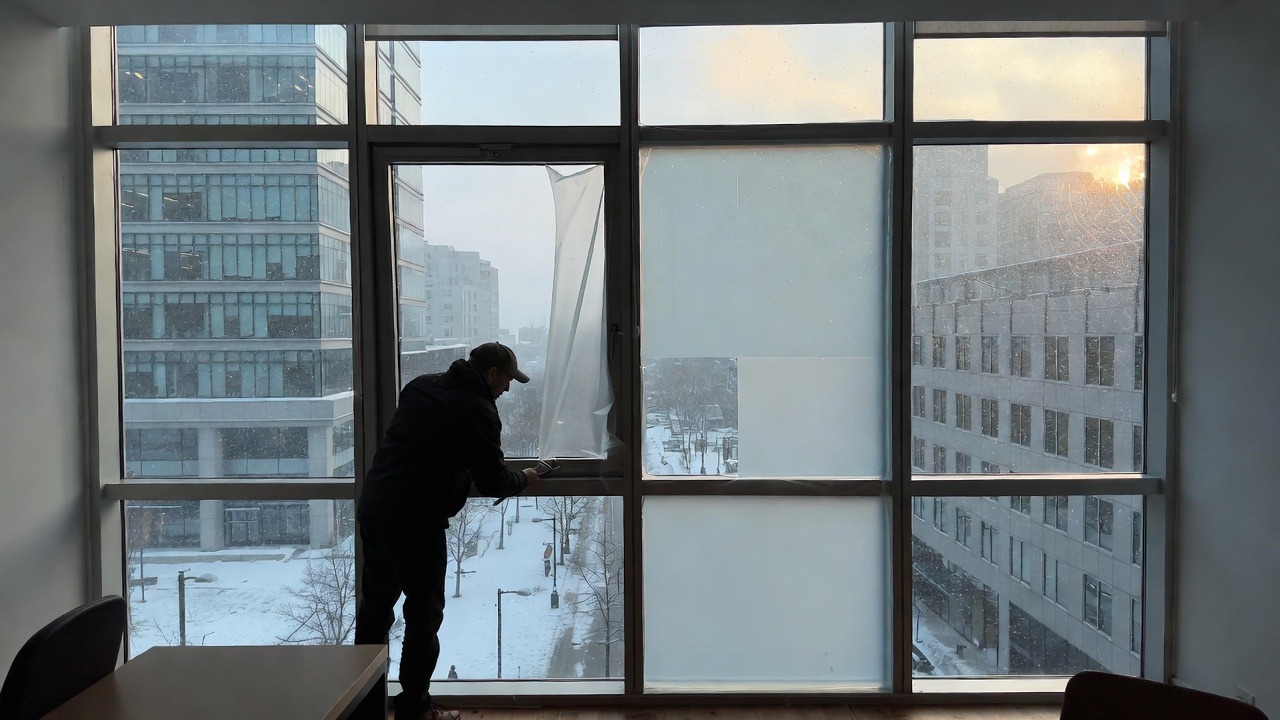
Installing window films is a relatively straightforward process, but it requires precision to ensure optimal performance. Here’s a step-by-step guide to the installation:
- Clean the Windows: Start by thoroughly cleaning the window surface to remove dirt, dust, and grease. This ensures the film adheres properly and looks seamless.
- Measure and Cut the Film: Measure the window dimensions and cut the film slightly larger than the window pane. This allows for adjustments during installation.
- Apply the Film: Peel the backing off the film and spray both the adhesive side and the window with a soapy water solution. This helps position the film easily.
- Smooth Out Bubbles: Use a squeegee to smooth out any air bubbles, working from the center towards the edges. Trim any excess film for a neat finish.
- Dry and Set: Allow the film to dry and set over a few days. Avoid cleaning or touching the film during this period to ensure it adheres properly.
Professional Installation vs. DIY
While DIY kits are available for those who prefer a hands-on approach, professional installation guarantees precision and longevity. Professionals have the tools and expertise to ensure the film is applied flawlessly, maximizing its benefits.
Impact on Energy Savings
Window films can significantly impact energy savings by reducing the need for heating during the winter months. Studies show that properly installed window films can reduce heat loss by up to 30%, translating to lower energy bills and a reduced carbon footprint.
Case Study: Homeowner Energy Savings

by Alex Tyson (https://unsplash.com/@alextyson195)
Consider the example of a homeowner who installed low-E window films across their property. Over the winter, they reported a noticeable decrease in energy consumption, resulting in a 20% reduction in their heating bills. The initial investment in window films was recouped within two years through energy savings alone.
Choosing the Right Window Film
When selecting window films, consider the specific needs of your home and the climate in your area. Consult with professionals to determine the best type of film for your windows, ensuring you get the maximum benefit.
Factors to Consider
- Window Type: Single-pane windows benefit the most from insulating films, while double-pane windows might require specific low-E films.
- Climate: In colder climates, films designed for maximum insulation are ideal, whereas in moderate climates, standard insulating films may suffice.
- Aesthetic Preferences: Some window films come with tints or patterns that can complement your interior design.
Conclusion
Cold weather window films are an effective solution for enhancing energy efficiency, comfort, and protection during the winter months. They offer a cost-effective alternative to window replacement and additional insulation, making them an attractive option for homeowners seeking to reduce energy costs and improve indoor comfort. By choosing the right type of film and ensuring proper installation, you can enjoy a warmer, more energy-efficient home all winter long.
Leave a Reply