Author: Chloe Wallace

  • Window Films vs Blinds and Curtains: Toronto Guide for Homes and Offices

    Window Films vs Blinds and Curtains: Toronto Guide for Homes and Offices

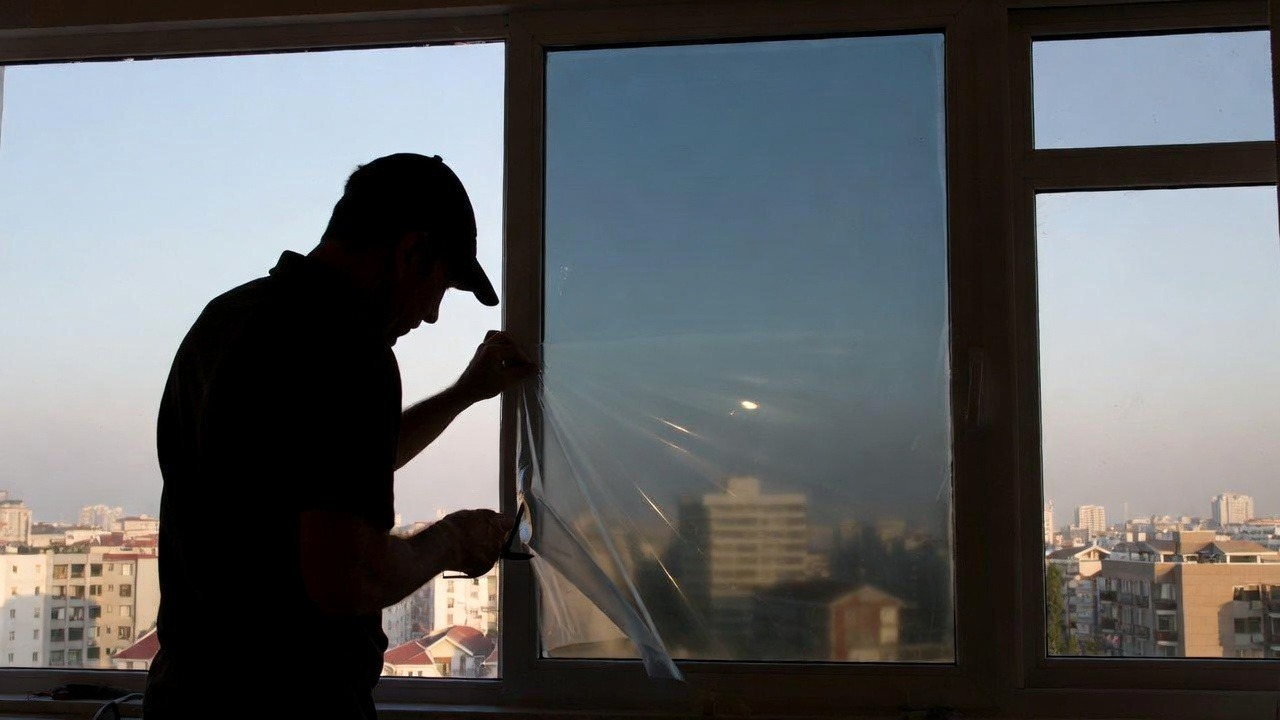
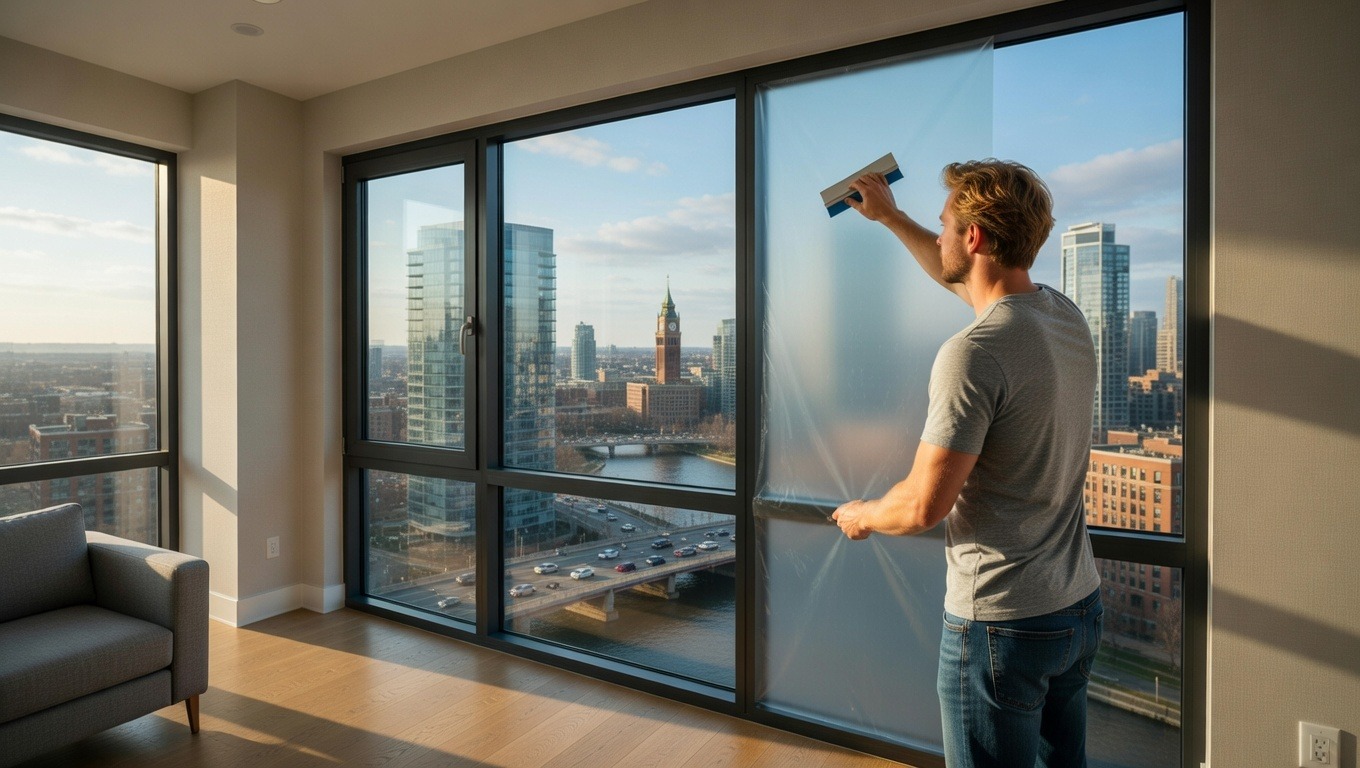
    Window films are one of the most practical ways to improve privacy, reduce glare, cut UV exposure, and help rooms feel more comfortable in Toronto and the GTA. Many people start searching for window films after they get tired of a hot condo, a bright office, or a front room that feels too open at night. That is why this comparison matters. If you are choosing between window films, blinds, and curtains, you are really choosing how your windows will perform every day, not just how they will look.

    In Toronto, big glass can be a blessing and a pain at the same time. A condo in Liberty Village can feel great in the morning and then feel way too warm by late afternoon. A home office in North York can get glare across the screen for hours. A storefront in Markham may want more privacy, but still needs daylight to make the space look alive. That is where window films stand out. They work on the glass itself, so you do not have to cover the whole window just to make the room feel better.

    The short answer is pretty simple. Window films are often the best all-around choice for Toronto homes and businesses that want comfort, privacy, and a cleaner look without losing natural light. Blinds are useful when strong light blocking matters most. Curtains are useful when softness and décor matter most. But if you want the window to keep doing its job while causing fewer problems, window films usually make more sense.

    If you want a simple starting point, this page about window films gives a good overview before you spend money on any window upgrade.

    Window Films

    The biggest advantage of window films is that they improve the glass instead of hiding it. That sounds basic, but it changes the whole room.

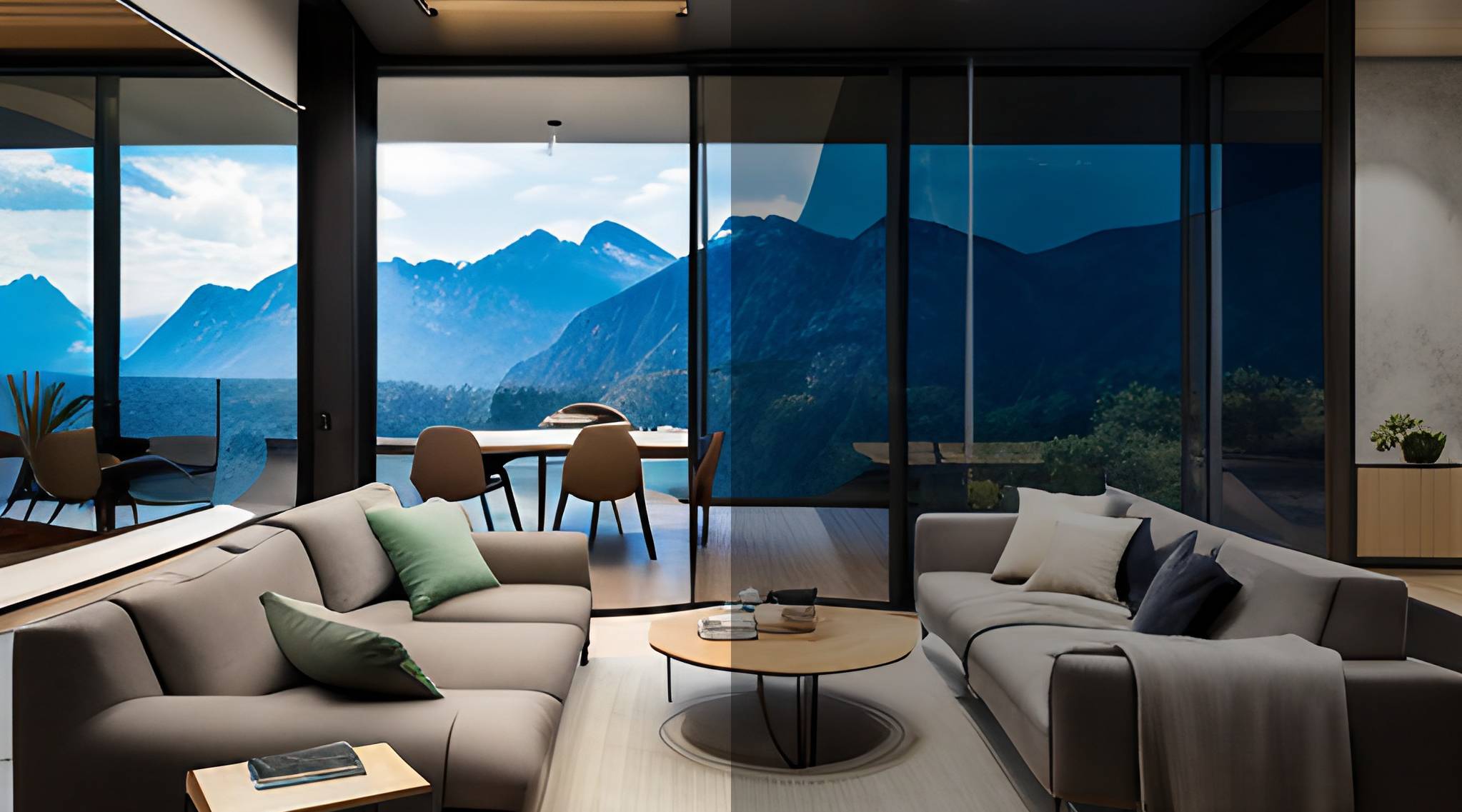
    A good window film can help reduce solar heat, soften harsh glare, block a large amount of UV rays, and add privacy depending on the product. The plain-English version is easy. The room feels easier to sit in. The TV is easier to watch. The office screen is easier to read. The front window feels less exposed. You still keep daylight, and in many cases you still keep the view. Thats a huge reason window films work so well in condos and glass-heavy offices across the GTA.

    They also fit the way many Toronto spaces are built now. Downtown condos, new townhomes, clinics, retail units, and restaurants often use large panes of glass. If you hang blinds or thick curtains over all that glass, the room can feel smaller right away. Window films keep the look cleaner. That matters a lot in places like CityPlace, Fort York, Vaughan, and Mississauga where modern interiors already lean toward open layouts and simple finishes.

    One local example came from a condo owner near the waterfront. The unit had a west-facing wall of glass and looked amazing in photos. But by summer, the owner was dealing with glare on the TV, a warm sofa by the window, and a room that felt a bit sticky late in the day. Temporary blinds helped with glare, but the whole condo felt boxed in after that. A solar film solved the main issue without killing the view. The room still looked open, just way more usable.

    Window films also help businesses. A dental office in North York, for example, may want bright rooms because daylight helps the space feel clean and calm. But if the waiting room gets blasted with glare or heat, patients feel it right away. Film gives that office a better balance. Same thing for small stores in Etobicoke or Markham. They need the front glass to stay part of the business, not become a wall of fabric or slats.

    There is also the UV side. That affects people, floors, artwork, furniture, and fabrics near sunny windows. The Government of Canada has public information on UV Index and sun safety, and it helps show why this matters indoors too, not just outside.

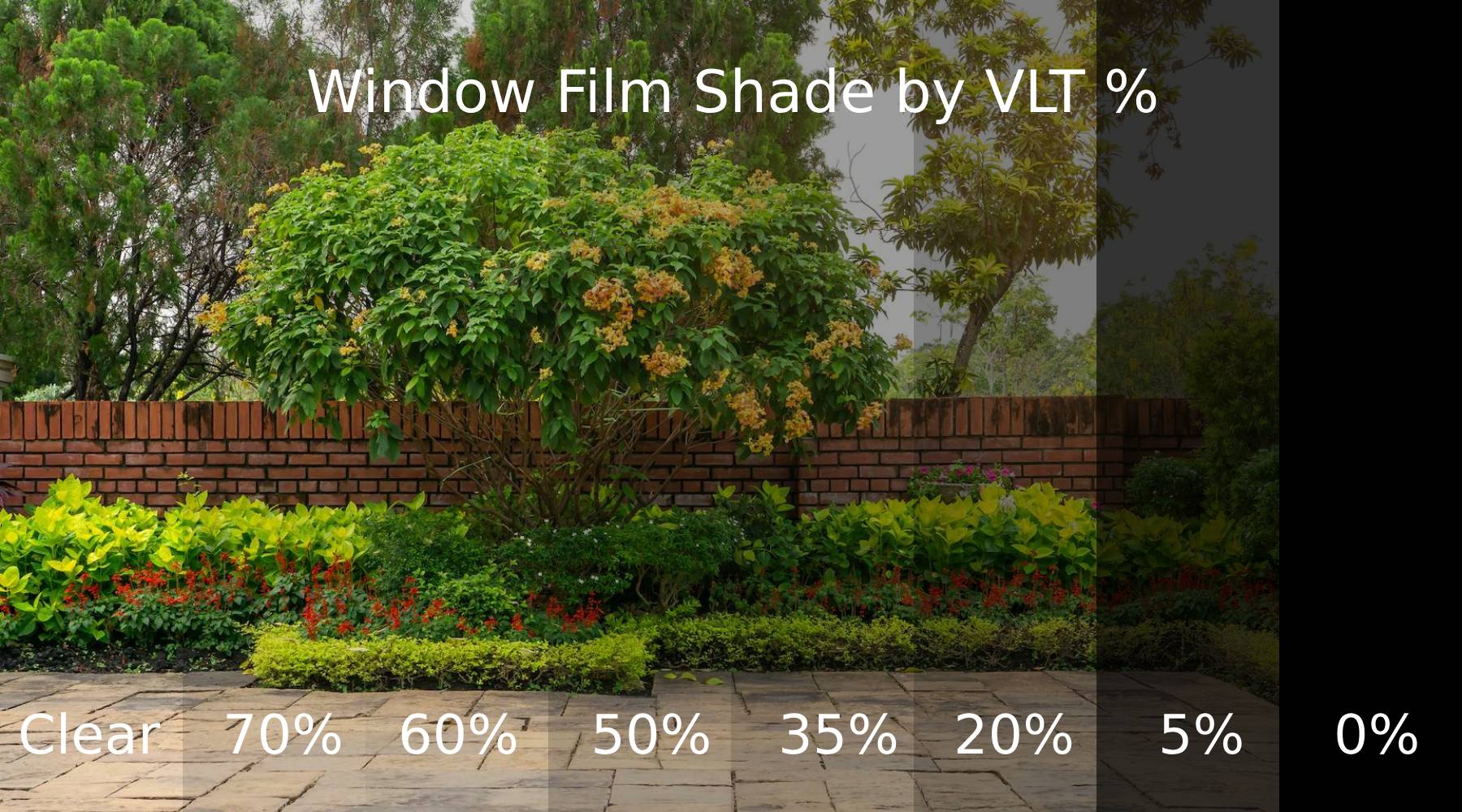
    Window films are not magic, though. Some films give better daytime privacy than nighttime privacy. Some cut more heat than others. Some are darker, and some are very light. That part matters. Still, when people want the best mix of comfort, light, privacy, and a clean finish, window films usually win.

    Blinds

    Blinds are popular because they are familiar. People know what they do. You raise them, lower them, tilt them, and close them when you want more darkness or privacy. That ease matters, espically for bedrooms and rental spaces.

    If your main goal is stronger light blocking, blinds can be a very solid choice. A bedroom in Scarborough or Richmond Hill may need to stay dark for sleep. A nursery may need flexible light control through the day. A rental condo may already come with blinds, which makes them the easy option.

    But blinds solve the problem by covering the window. They do not improve the glass itself. Once they are down, the room loses light. The view disappears. A small condo living room or office nook can start feeling closed off. That is where people begin to notice the trade-off. They wanted less glare, yes, but they did not want the space to feel dull all day.

    Blinds also come with some upkeep. Dust sits on the slats. Hardware can get loose. Slats can bend. In family homes and busy workplaces, blinds can start looking worn faster than people expect. That does not make them bad. It just means they work best in rooms where darkness or privacy matters more than openness and daylight.

    A common GTA example is the work-from-home setup. A person in a condo near King West may use blinds to stop screen glare during the day. It works when the blinds are closed, but then the corner feels dim and cramped. Keeping them half-open usually means the glare is still there, just slightly less annoying. In that kind of space, film often feels like the smarter fix because it softens the light while keeping the room bright.

    So yes, blinds still have a place. They are very good at direct light blocking. But they are usually less useful when the bigger problem is heat, UV, or keeping the room feeling open.

    Curtains

    Curtains do something different from both blinds and window films. They add warmth and softness.

    In older homes around The Beaches, Riverdale, or High Park, curtains can look right at home. They can make bedrooms feel calmer. They can make formal sitting rooms feel more finished. If style is the main goal, curtains often come out ahead. That part is real.

    But curtains also bring some headaches. They need rods, wall space, and enough room to hang properly. They collect dust. In kitchens, they can hold odours. In smaller condos, they can make the room feel heavier or darker than expected. That happens alot in downtown units where every inch of space and light matters.

    They also do not do much for the glass. If the actual problem is sun, glare, UV, or daytime heat, curtains only cover the problem when they are closed. Then the room may feel too dark. So the space keeps swinging between too bright and too closed. After a while, that gets tiring.

    A good example came from a townhouse owner in Richmond Hill. The front sitting room faced the street, and the owner wanted more privacy at night. Thick curtains solved that part, but the room felt gloomy for most of the day. Later, part of the glass got a privacy film, and the room worked better right away. The curtains stayed because the owner liked the look, but they stopped being the main fix. That is where window films often pull ahead. They deal with the glass first, then curtains can be optional.

    Curtains are still useful. They are just strongest when you want softness and design, not when you want better glass performance.

    What Toronto and GTA Properties Usually Need Most

    Most people are not really choosing between three products. They are choosing between three results.

    • Do you want less glare?
    • Do you want more privacy?
    • Do you want stronger darkness for sleep?
    • Do you want the room to stay bright?
    • Do you want less heat near the glass?

    That is the real checklist, and it helps clear things up pretty fast.

    Choose window films if you want:

    • less glare on screens
    • better UV protection
    • more daytime privacy
    • a cleaner, low-profile look
    • a room that still feels bright and open
    • less visual clutter around the window

    Choose blinds if you want:

    • stronger light blocking
    • adjustable privacy
    • a familiar option
    • a practical fit for bedrooms or rentals

    Choose curtains if you want:

    • softness and texture
    • a more decorative room
    • fabric warmth
    • a layered design feel

    For many Toronto and GTA spaces, window films end up being the better first move because local buildings use so much glass. Condos, offices, clinics, salons, storefronts, and newer homes all depend on windows to bring in light. When the glass is the source of the problem, improving the glass usually works better than covering it up.

    Season matters too. Summer sun can hammer west-facing rooms. Winter glare can still be rough when light bounces off snow and hits a big pane of glass. That means the comfort issue is not just a July issue. It is a year-round thing in the GTA.

    There is also an energy angle. Natural Resources Canada shares public information on energy efficiency, and it lines up with what many local owners already notice in simple terms. Rooms with too much direct sun are harder to keep comfortable. People may not say “solar heat gain,” but they do say, “this room gets way too hot by the window.” Same problem, different wording.

    What Works Best in Real Life

    If you want the short version, here it is. Window films are usually the best all-around option for Toronto and GTA homes and businesses that want privacy, glare control, UV reduction, and comfort without making the room feel closed off.

    Blinds are better when darkness is the main goal. Curtains are better when style is the main goal. But if the room feels too bright, too exposed, too hot, or just harder to enjoy than it should be, window films are often the smartest place to start.

    That is why window films keep coming up in condos, front rooms, office nooks, treatment rooms, and storefronts across the GTA. They are simple to live with. They keep the room looking like itself. They make the glass behave better. And honestly, that is what most people wanted from the start, even if they first thought they needed blinds or curtains.

    Final Thoughts

    For Toronto homes and offices, the better choice depends on what bothers you most about the window. But if you want the strongest mix of comfort, light, privacy, and clean design, window films usually make more sense than blinds or curtains.

    They keep the room open. They help the glass perform better. They solve more than one problem at a time. Thats why they keep standing out in local spaces, from condos downtown to family homes in Scarborough to offices in North York and shops in Markham.

    Blinds and curtains still matter. Some bedrooms still need blackout blinds. Some living rooms still look better with fabric panels. But for a lot of everyday window problems in the GTA, film is the option that fixes the most without adding bulk, dust, or visual mess.

    If your room feels too sunny, too exposed, or just a bit off, start with the glass. A lot of the time, that is where the answer really is.

  • What is Dermarolling?

    What is Dermarolling?

    Back in 2014, Kim Kardashian shocked the world of social media when she uploaded a picture of her face covered in her own blood. No, it wasn’t a crime or an accident – she had simply tried out, for the first time, a Derma Roller, which has 9 acupuncture-sized needles that inject your face with your own blood. Now why would anyone voluntarily do this? This method, also known as micro-needling, is meant to stimulate collagen and elastin fibers to smooth the skin. After five years, this method is still being practiced, although it’s been made less extreme and more pain-free – even DIY, at times – than it was for Kim.  

    What those engaging in this method are using now is dermarollers, another form of micro-needling which uses a mini wheel covered with hundreds of tiny needles to lightly prick the face. It still sounds horrifying, I know, but, when used properly, dermarollers are working wonders in fading fine lines, clearing acne scars, and evening out skin tone.

    Dermarolling


    This instrument creates micro pathways with its tiny needles so that products can better penetrate and be absorbed by the skin. With a larger needle – say 0.5mm – you can start stimulating would healing. The tiny pricks it creates around the skin give the scar space for the wound-healing response to kick in. Afterward, you grow new skin which is smoother, more even, and even plumper.

    Who is dermarolling best for?


    Anyone can use a dermaroller, but it’s especially good for those who have acne scarring or larger pores or for anyone who just wants to tighten their skin. If you’re dealing with scarring, you’ll want a larger needle, but if it’s just for your pores, a thin, short needle will do the job.

    However, if you have eczema, psoriasis, or warts, dermarolling isn’t for you. In addition, anyone who struggles with acne currently shouldn’t dermaroll over cystic skin or an open wound, spreading bacteria. Finally, those who use retinol should not mix it with dermarolling. If you want to experiment with dermarolling, be sure to stop using retinol four or five days before you try it.

    What kind of preparation do you need to do?


    Dermarolling may draw blood, so make sure you start out with skin clear of oils or dirt. It would be best to cleanse with a foaming cleanser and to finish off with toner to have a balanced pH. Just before rolling, treat your skin with antiseptic cleanser. 

    The dermaroller itself needs to be stored somewhere clean; lay it on a paper towel, and soak it in an alcohol-based solution to clean it once a week.

    How do you actually use the dermaroller?


    The goal is to create channels horizontally, so you’ll want to roll the dermaroller horizontally over your forehead, cheeks, and chin, going back and forth. Next, roll it vertically on the forehead up to three times, and lastly, go diagonally across the whole face. It’s always best to move from the center outward and on the nose, to work downward.

    Using skincare products, especially anti-aging ones, after rolling is ideal. Maybe even try a low vitamin C serum to stimulate the skin. Try to use your dermaroller at night so that you’re not going out into the sun afterwards.

    Does dermarolling hurt?


    Compared to when it was first introduced in 2014, it’s more uncomfortable than painful, but the larger your needle the more potential for it to be painful; however, the point isn’t for you to press it into your skin. Roll lightly, being aware that it should just feel uncomfortable, not painful.

    Originally posted 2020-11-17 10:58:44.

  • Improving Results with Home Window Tinting

    Improving Results with Home Window Tinting

    home window with tinted film

    When considering home improvement projects, window tinting might not be the first thing that comes to mind. However, it can be one of the most effective ways to enhance your living space. Home window tinting offers a variety of benefits, from increased privacy to energy efficiency. In this article, we’ll explore how window tinting can improve your home and why it might be the perfect solution for your needs.

    Understanding Home Window Tinting

    Home window tinting involves applying a thin film to the interior or exterior of your windows. This film can be made from different materials and comes in various shades and styles. It’s an easy and relatively affordable way to improve your home’s functionality and appearance without major renovations.

    Types of Window Tinting Film

    There are several types of window tinting films available, each designed to meet different needs:

    1. Solar Control Film: This type of film reduces heat and glare from the sun, making your home more comfortable and energy-efficient. It helps keep your home cooler in the summer and warmer in the winter.
    2. Privacy Film: Privacy window films are designed to obscure the view into your home without blocking the light. They are perfect for bathrooms, bedrooms, and any other rooms where privacy is a concern.
    3. Decorative Film: These films come in various patterns and colors, allowing you to customize the look of your windows. They can add a touch of style and sophistication to any room.
    4. Safety and Security Film: This thick, durable film strengthens your windows and helps hold the glass together in the event of a breakage. It’s an excellent choice for homes in areas prone to storms or break-ins.
    different types of window film

    The Benefits of Home Window Tinting

    Window tinting offers numerous advantages that can improve the quality of your home and life.

    Enhanced Privacy

    One of the most popular reasons homeowners choose window tinting is for privacy. With privacy window film, you can keep nosy neighbors from peering into your home while still enjoying natural light. You won’t have to compromise on brightness to maintain your privacy.

    Improved Energy Efficiency

    Window tinting can help reduce your energy bills by making your home more energy-efficient. Solar control films reflect a significant portion of the sun’s heat, reducing the need for air conditioning during the hot summer months. This not only saves you money but also reduces your carbon footprint.

    Protects Interior Furnishings

    The sun’s UV rays can cause furniture, carpets, and artwork to fade over time. Window tinting blocks up to 99% of these harmful rays, helping to preserve your interior furnishings and keep them looking new for longer.

    Increased Safety and Security

    Safety and security films add an extra layer of protection to your windows. In case of breakage, the film holds the shattered glass in place, reducing the risk of injury and making it more difficult for intruders to enter your home.

    Aesthetic Appeal

    Decorative films offer a cost-effective way to enhance the aesthetics of your home. Whether you prefer a subtle frosted look or a bold pattern, there’s a decorative film to suit every taste.

    Choosing the Right Window Tinting Solution

    Selecting the right window tinting solution for your home can be overwhelming due to the variety of options available. Here are some factors to consider when making your choice:

    Consider Your Needs

    Identify the primary reasons you’re interested in window tinting. Is it for privacy, energy savings, security, or aesthetics? Understanding your needs will help you narrow down the options.

    Evaluate the Film’s Features

    Look for films that offer features that match your requirements. For instance, if energy efficiency is your priority, opt for films with high solar reflectance ratings.

    Consult a Professional

    A professional window tinting service can provide valuable guidance in selecting the right film for your home. They can assess your windows, discuss your needs, and recommend the best products for your situation.

    Quality of the Film

    Not all window films are created equal. Ensure you choose a high-quality product that comes with a warranty. Quality films last longer and perform better than cheaper alternatives.

    window tinting installation process

    by Steven Roxas (https://unsplash.com/@michael_steven)

    Installation Process

    The installation of window tinting is a straightforward process, but it’s best left to the professionals to ensure a flawless finish.

    Preparation

    Before the installation, the window surfaces must be thoroughly cleaned to remove any dirt or debris that could affect the adhesive.

    Application

    The film is carefully measured and cut to fit your windows perfectly. A professional installer will apply the film using a special adhesive, ensuring there are no bubbles or wrinkles.

    Drying Time

    After the film is applied, it needs time to cure. The curing process can take several days to a few weeks, depending on the film type and weather conditions. During this time, it’s important to avoid cleaning or touching the windows.

    Maintenance and Care

    Once your window tinting is installed, it requires minimal maintenance. Here are a few tips to keep it looking great:

    • Cleaning: Use a soft cloth or sponge and a mild soap solution to clean the tinted windows. Avoid abrasive cleaners or tools that might scratch the film.
    • Inspection: Regularly inspect the film for any signs of damage or peeling. If you notice any issues, contact your installer for advice or repairs.
    • Avoid Excessive Moisture: While the film is durable, excessive moisture can lead to peeling over time. Ensure windows are properly sealed to prevent water ingress.

    Conclusion

    Home window tinting is an excellent investment that offers numerous benefits, from increased privacy and energy efficiency to enhanced aesthetics and security. Whether you’re looking to cut down on energy costs or add a touch of style to your home, window tinting provides a versatile solution that caters to your needs. By choosing the right type of film and professional installation, you can significantly improve your home’s comfort and value.

    With these insights in mind, consider exploring window tinting options to transform your living space into a more comfortable, efficient, and stylish environment. Whether you are an interior designer looking to provide eco-friendly solutions for your clients or a homeowner seeking a simple upgrade, home window tinting is a choice worth considering.

  • Window Films for Toronto and the GTA: A Beginner’s Guide to Heat Control, Privacy, and Better Glass

    Window Films for Toronto and the GTA: A Beginner’s Guide to Heat Control, Privacy, and Better Glass

    If you are searching for window films in Toronto and the GTA, you are probably trying to solve one annoying problem that keeps coming back. Maybe your condo gets blasted by late-day sun. Maybe glare makes your office screens hard to use. Maybe a front door or boardroom has no privacy at all. Maybe a storefront feels too open after dark. These are the real reasons people start looking at window films. They are not just for looks. They are used to cut heat, reduce glare, add privacy, and help glass perform better in homes and businesses across Toronto, North York, Scarborough, Etobicoke, Mississauga, Vaughan, Markham, Richmond Hill, and Brampton.

    This guide keeps it simple. You do not need to know every film type before you start. You do not need to learn glass jargon. You just need to know what window films can do, when they make sense, and how to choose the right local installer. If you want a broad starting point first, this page covers more window films and how they fit diffrent spaces.

    What you will learn in this guide

    • What window films are and how they work
    • Which types of window films fit homes, offices, clinics, and shops
    • How window films help with heat, glare, fading, privacy, and safety
    • When window films make more sense than new windows
    • What affects cost in Toronto and the GTA
    • How to choose a local window tinting service without buying the wrong thing

    What are window films, and why do people in Toronto and the GTA use them?

    Window films are thin layers applied to glass to change how the glass performs. Some films cut solar heat. Some reduce glare. Some add privacy. Some help hold shattered glass together. Some are decorative and change the look of plain glass. A lot of beginners think all window films make a room dark. Thats one of the biggest myths. Some films are darker, some are frosted, and some are almost clear.

    That matters in Toronto and the GTA because glass causes the same problems again and again. Downtown condo towers often have large walls of glass. Office spaces in North York, Markham, and Mississauga deal with bright sun and screen glare. Retail shops with street-facing windows may want more privacy or more protection. Homes in Vaughan, Richmond Hill, and Etobicoke often have one room that gets way hotter than the rest of the house.

    The City of Toronto has put more focus on building performance in recent years, and that matters because glass can affect comfort and energy use. The U.S. Department of Energy also points out that some window films can reduce solar heat gain on certain windows. That is one reason window films are often looked at before full window replacement.

    Which window films solve the most common problems?

    Not every film fixes the same issue. This is where many people get mixed up. They ask for tint when what they really need is solar film, privacy film, safety film, or decorative film.

    Solar window films for heat and glare

    Solar window films are usually chosen when the biggest problem is too much sun. They help cut glare and reduce heat coming through the glass. This type is popular in condos, office towers, restaurants, and homes with bright living rooms or sunrooms.

    A west-facing condo near Liberty Village is a good example. The owner may love the view, but by mid-afternoon the room gets too bright, the couch gets hot, and the air conditioner starts working harder. Solar window films can make that room easier to use without changing the whole window system.

    Privacy window films for homes and offices

    Privacy window films are used when people can see in too easily. Frosted films are common on bathroom windows, front doors, office meeting rooms, clinics, and interior glass partitions. Reflective films can also add daytime privacy, but the lighting matters. At night, if the inside is brighter than the outside, the privacy effect can change. A good installer should explain that in simple words, not in salesy talk.

    A small clinic in Markham is a good example. The owner may want treatment rooms to feel open and bright, but still need patient privacy. Frosted window films can do that without replacing the glass. The room still gets light, but direct views are blocked. Its a simple fix, and it usually makes the space feel more finished too.

    Safety and security window films for broken glass concerns

    Safety and security window films are used when broken glass is the main worry. These films are common in storefronts, schools, offices, and homes with large patio doors or sidelights. Their main job is to help hold shattered glass together after impact. That can help reduce flying shards and slow down forced entry. It does not make regular glass bulletproof, and any installer who says it does is not being honest.

    Decorative window films for style and light privacy

    Decorative window films are picked for both looks and function. They can add patterns, gradients, frosting, or custom designs to plain glass. These are common in salons, spas, condo common areas, offices, and modern homes that want cleaner-looking glass without losing natural light.

    Are window films better than replacing the windows?

    Sometimes yes. Sometimes no. The answer depends on what problem you are actually trying to fix.

    If the glass and frames are still in decent shape, window films often make more sense than window replacement when the real issue is heat, glare, privacy, fading, or basic glass safety. A lot of Toronto and GTA property owners have windows that are still usable. The problem is not that the windows are falling apart. The problem is that the rooms are hard to use at certain times of the day.

    Window films often make sense when:

    • one room gets too hot every sunny afternoon
    • glare makes work, TV, or screen use annoying
    • flooring, furniture, or merchandise gets too much sun
    • a bathroom, boardroom, clinic, or front entry needs privacy
    • a storefront wants more glass safety without a full renovation
    • you want a faster job with less mess

    Replacement may still be the better choice when the window frames are damaged, the seals have failed, or the glass system itself has serious problems. But many owners jump into replacement quotes before asking whether window films could solve the issue first. That can get expensive fast.

    For local businesses, speed matters too. A busy shop in Queen West or a clinic in North York does not always want a large construction project. Window films can often be installed much faster, which means less disruption for staff, customers, and tenants.

    How much do window films cost in Toronto and the GTA?

    Cost depends on more than square footage. The price of window films usually changes based on the film type, the size of the glass, how easy it is to reach the windows, and how much prep work is needed before installation.

    These are the main things that move the price:

    1. Film type
      Solar, privacy, decorative, and security window films do not cost the same.
    2. Glass size and layout
      One large pane may be easier than several small panes with lots of cutting.
    3. Access
      A ground-floor storefront is very diffrent from a high-rise condo, a stairwell window, or a tight office fit-out.
    4. Prep work
      Old film removal, leftover adhesive, dirty edges, and problem glass can add labour.
    5. Performance goals
      Some owners want a lighter look. Others want stronger heat rejection, more privacy, or more safety.

    The lowest quote is not always the best quote. If someone throws out a price without asking about the glass, the room, or the problem you want to fix, slow down. A better quote explains what film is being used, what the room should look like after the install, what the warranty covers, and how long the curing process may take.

    How do you choose the right window tinting service?

    The film matters, but the installer matters just as much. Good window films can still look bad if the install is sloppy. Dust under the film, uneven cuts, peeling corners, or the wrong product choice can ruin the result.

    Here are a few simple ways to filter local installers.

    Ask what problem they are trying to solve

    A good window tinting service should ask questions first. Is the problem heat? glare? privacy? fading? safety? style? If they push one film for every job, that is not a great sign.

    Ask what the film will look like on your actual glass

    Samples are helpful, but real glass behaves differently in real spaces. Ask what the film will look like on a bright day, on a cloudy day, and at night. This matters a lot for privacy films.

    Ask about GTA project experience

    A crew that works across Toronto, Vaughan, Markham, Mississauga, Brampton, and Richmond Hill has likely seen condo rules, office access issues, street-level retail concerns, and older residential windows before. That local experience can save time and avoid silly mistakes.

    Ask about aftercare

    You should know what normal curing looks like, how long it may take, and when you can clean the glass. A little haziness or moisture right after installation can be normal. Panic on day one is usualy not needed.

    What should you expect before and after installation?

    A typical window films project starts with a site review or a clear set of measurements and photos. After that, the installer confirms the product, checks the glass, and sets an installation date. On install day, the glass is cleaned carefully, the film is cut to fit, and the film is applied and pressed down so it bonds smoothly.

    After the install, the windows may look a bit hazy while the film cures. Small water pockets can show up at first too. That does not always mean something went wrong. A decent installer should tell you what is normal before the job is even done.

    For homes, the biggest gain is often comfort. For offices, it is often glare control and privacy. For storefronts, it may be a mix of solar control, security, branding, and street-level privacy. Same product family, very different uses.

    Why do local examples matter when choosing window films?

    Local examples help because Toronto and the GTA are not one-size-fits-all. A waterfront condo has different sun exposure than a detached home in Vaughan. A retail shop in downtown Toronto has different privacy and safety needs than a medical office in Markham. A school or daycare in Scarborough may care more about glare and broken glass. A restaurant in Mississauga may care more about daytime heat and guest comfort near the front windows.

    That is why good local installers do not start with the same answer every time. They start with the building, the glass, the direction of the sun, and how the space is used.

    Final thoughts on window films in Toronto and the GTA

    For most beginners, window films do not need to feel confusing. Start with the problem you want to fix. Too hot. Too bright. Too exposed. Too much fading. Worried about broken glass. Then match that problem to the right type of film and to a local installer who can explain things clearly.

    The best window films job is not always the darkest film or the lowest quote. It is the one that fits your glass, your building, your budget, and the way you actually use the room.

    If you are comparing window films in Toronto and the GTA, ask for a site review, ask plain questions, and make the installer explain the difference between solar, privacy, decorative, and safety film without fluff. That will help you avoid buying the wrong thing the first time.

  • Improving Results with Window Insulation Film

    Improving Results with Window Insulation Film

    In today’s rapidly evolving world, homeowners are increasingly prioritizing energy efficiency without sacrificing the aesthetic appeal of their living spaces. As the demand for eco-friendly and stylish home improvement solutions rises, window insulation film emerges as a standout option. This innovative product not only enhances the visual appeal of your interiors but also plays a significant role in reducing energy costs. In this comprehensive article, we will delve into the numerous benefits of window insulation film, explore how it functions, and discuss why it might be the perfect addition to your home improvement toolkit.

    Window film installation process

    Window insulation film is a highly effective, thin layer of material applied to the interior surface of windows. Designed to bolster the window’s insulation capabilities, this film plays a crucial role in maintaining a consistent indoor temperature throughout the year. Typically made from materials like polyester, these films often feature specialized coatings that enhance their energy-saving properties. This makes them an ideal choice for homeowners looking to combine practicality with style.

    How Does Window Insulation Film Work?

    The core functionality of window insulation film lies in its ability to regulate heat transfer. During the scorching summer months, the film reflects unwanted heat away from your home, ensuring that your interiors remain comfortably cool. Conversely, in the chilly winter months, the film acts as a barrier, retaining heat inside and preventing it from seeping out through the windows. This dual action not only makes window insulation film a versatile solution for all seasons but also significantly contributes to energy efficiency, reducing reliance on heating and cooling systems.

    Furthermore, the science behind window insulation film involves the manipulation of solar energy. By selectively filtering and reflecting solar rays, these films can control the amount of sunlight and heat that enters your home. This not only contributes to a more comfortable indoor environment but also protects your interiors from the damaging effects of UV radiation, which can lead to fading of furniture and other valuable items.

    Benefits of Window Insulation Film

    Energy Efficiency and Cost Savings

    One of the most compelling reasons to invest in window insulation film is its potential to drive substantial energy savings. By minimizing the amount of heat that infiltrates or escapes your home, these films can lead to significant reductions in your heating and cooling costs. In fact, energy experts suggest that window films can cut energy consumption by up to 30%, making it a sound investment for any homeowner eager to lower utility bills and reduce their carbon footprint.

    Moreover, the financial savings from reduced energy consumption can accumulate over time, providing a return on investment that extends beyond the initial cost of installation. This makes window insulation film an attractive proposition for environmentally conscious homeowners who are looking to make sustainable choices without compromising on comfort or style.

    Enhanced Comfort

    Living room with insulated windows

    By effectively regulating indoor temperatures, window insulation film significantly enhances the overall comfort of your living space. Homeowners will experience fewer drafts during the winter months and a much cooler interior during the hot summer season. This enhanced level of comfort is particularly beneficial for homes with large windows, which are often more susceptible to temperature fluctuations due to their increased exposure to the elements.

    In addition to temperature regulation, window insulation film also contributes to a quieter home environment. By reducing the amount of external noise that penetrates through the windows, these films create a more serene and peaceful indoor space, allowing homeowners to enjoy their surroundings without the constant intrusion of outside sounds.

    UV Protection

    Another notable advantage of window insulation film is its ability to block harmful ultraviolet (UV) rays. Prolonged exposure to UV rays can cause fading and damage to furniture, carpets, and artwork over time, leading to costly replacements. Window films offer a protective shield for your home’s interior, blocking up to 99% of these damaging rays while still allowing you to enjoy natural light. This not only preserves the integrity of your belongings but also contributes to a healthier indoor environment by reducing the potential for UV-related health issues.

    The UV protection offered by window films also extends to safeguarding your skin from the harmful effects of sun exposure. By filtering out a significant portion of UV rays, these films help minimize the risk of skin damage and other related health concerns, ensuring that you and your family can enjoy the comfort of your home without worry.

    Privacy and Security

    Window insulation films are available in a wide array of styles and tints, providing an added layer of privacy without the need for cumbersome curtains or blinds. Whether you prefer a subtle, clear film or a decorative pattern, there’s an option to suit every taste and decor style. Beyond privacy, some films are specifically designed to strengthen the glass, making windows more resistant to breakage. This added security feature can deter potential intruders, providing homeowners with peace of mind and an added sense of safety.

    Additionally, the enhanced security offered by window films can lead to potential savings on homeowner’s insurance premiums. By reducing the risk of break-ins and damage, these films can make your home a more secure and attractive proposition for insurance providers, potentially leading to lower rates and increased coverage options.

    Choosing the Right Window Film

    When selecting window insulation film, it’s crucial to consider your specific needs and preferences to ensure optimal results. Here are a few factors to keep in mind:

    Tint and Appearance

    Window films come in a diverse range of tints and designs, allowing homeowners to choose an option that complements their interior design and meets their privacy requirements. Whether you’re seeking a subtle, nearly invisible film or a more decorative pattern that adds a touch of flair to your windows, there’s a product to match every style. Consider how the film will integrate with your existing decor and the level of privacy you desire before making a decision.

    Furthermore, the aesthetic appeal of window films can enhance the overall value of your home by contributing to a more modern and sophisticated look. By choosing a film that aligns with current design trends, you can elevate the appearance of your living space while reaping the practical benefits of improved energy efficiency and UV protection.

    Performance Specifications

    Different window films offer varying levels of performance in terms of energy savings, UV protection, and glare reduction. It’s important to choose a film that aligns with your specific goals for insulation and comfort. Consider the climate in your region and the orientation of your windows when selecting a film, as these factors can influence the effectiveness of the product. Consulting with a professional installer can provide valuable insights into the best options for your unique situation.

    Additionally, some window films are designed with specialized features, such as anti-graffiti coatings or enhanced scratch resistance, making them ideal for high-traffic areas or commercial applications. By understanding the specific performance characteristics of different films, you can make an informed decision that maximizes the benefits for your home or business.

    Professional Installation vs. DIY

    While some homeowners may opt for a DIY approach to installing window insulation film, professional installation often ensures optimal performance and longevity. Expert installers possess the skills and tools necessary to apply the film without bubbles or creases, resulting in a seamless finish that enhances both the appearance and functionality of your windows. Professional installation can also provide peace of mind, knowing that the job has been done correctly and that the film will deliver the expected benefits.

    Moreover, professional installers can offer valuable advice on the best type of film for your specific needs and provide ongoing support and maintenance tips to ensure the longevity of the product. By investing in professional installation, you can maximize the return on your investment and enjoy the full range of benefits that window insulation film has to offer.

    The Installation Process

    Professional installing window film

    by Blake Harbison (https://unsplash.com/@blake_harbison)

    The installation of window insulation film is a relatively straightforward process, but it requires precision and attention to detail for the best results. Here’s a brief overview of what to expect during the installation process:

    1. Preparation: The window surface is meticulously cleaned to remove any dirt or debris that could affect adhesion. This step is crucial to ensure a smooth and durable application.
    2. Cutting the Film: The film is carefully measured and cut to fit the specific dimensions of the window. Accurate cutting is essential to avoid gaps or overlaps that could compromise the film’s effectiveness.
    3. Application: A specially formulated solution is applied to the window to facilitate easy positioning of the film. The film is then placed on the window, and a squeegee is used to remove any air bubbles and ensure a smooth application. This step requires skill and precision to achieve a flawless finish.
    4. Trimming and Finishing: Excess film is trimmed away, and the edges are smoothed for a polished look. This final step ensures that the film is securely in place and that the installation is visually appealing.

    Post-Installation Considerations

    After installation, it’s important to allow the film to cure for the recommended period before cleaning or exposing it to moisture. This ensures that the adhesive bonds properly to the window surface and that the film achieves its full performance potential. Following the manufacturer’s guidelines for post-installation care can help prolong the life of the film and maintain its appearance.

    Maintenance and Care

    Once installed, window insulation film requires minimal maintenance to keep it in optimal condition. To clean your windows, use a soft cloth and a mild cleaning solution to avoid scratching the film. Avoid using abrasive materials or ammonia-based cleaners, as these can damage the film and reduce its effectiveness. Regular cleaning will help maintain the clarity and appearance of the film while ensuring that it continues to deliver the expected benefits.

    In addition to regular cleaning, it’s important to periodically inspect the film for any signs of wear or damage. Promptly addressing any issues can prevent further deterioration and ensure that the film continues to perform effectively. By following these simple maintenance guidelines, you can enjoy the benefits of window insulation film for many years to come.

    Final Thoughts

    Window insulation film is a cost-effective, eco-friendly solution that offers numerous benefits for homeowners. From reducing energy bills to enhancing comfort and protecting your interior, it’s a versatile addition to any home. By choosing the right film and opting for professional installation, you can enjoy improved energy efficiency and a more comfortable living environment.

    Whether you’re an interior designer seeking to provide clients with stylish, sustainable solutions, or a homeowner looking to enhance your living space, window insulation film is a smart choice that delivers significant results. Embrace this innovative technology and transform your windows into a powerful tool for energy efficiency and aesthetic appeal. By investing in window insulation film, you’re not only improving your home’s performance but also contributing to a more sustainable future for generations to come.

  • The Evolution of Decorative Window Film

    The Evolution of Decorative Window Film

    # The Evolution of Decorative Window Film

    decorative_window_film_interior_design

    Decorative window film has transformed from a niche product into a versatile and stylish solution for interior designers and homeowners alike. As the demand for aesthetic yet functional home improvement solutions increases, the role of decorative window films has expanded. From enhancing privacy to adding a touch of elegance, these films offer a myriad of benefits. In this article, we delve into the evolution of decorative window films and explore how they can be integrated into modern interior design projects.

    Understanding Decorative Window Film

    Decorative window film is a self-adhesive material applied to glass surfaces to alter their appearance. It is available in various patterns, colors, and textures, allowing for endless customization options. Originally, these films were primarily used for privacy, but their aesthetic appeal has made them a popular choice for designers looking to enhance interior spaces.

    Types of Decorative Window Films

    1. Privacy Window Film: These films are designed to obscure visibility, making them ideal for bathrooms, office spaces, and street-facing windows. They are available in varying opacities and styles, including frosted and etched glass looks.
    2. Frosted Window Film: Frosted films provide a classic, elegant finish that mimics the appearance of etched glass. They diffuse light beautifully while maintaining privacy, making them suitable for a range of applications.
    3. Patterned and Textured Films: From geometric designs to floral patterns, these films add a decorative flair to any space. They can be used to create feature walls or to complement existing décor.
    frosted_window_film_application

    The Evolution of Window Film Technology

    Advancements in technology have significantly improved the quality and functionality of decorative window films. Early versions were limited in design and durability, but today’s films are more versatile and long-lasting.

    Improved Durability and Maintenance

    Modern window films are crafted from high-quality materials that resist fading, peeling, and scratching. They are easy to clean and maintain, ensuring they remain a pristine addition to any window for years.

    Enhanced Energy Efficiency

    In addition to aesthetic benefits, decorative window films can improve energy efficiency. By reducing glare and blocking harmful UV rays, these films help maintain indoor temperatures, leading to potential savings on energy bills.

    Eco-friendly Options

    As environmental concerns grow, so does the demand for sustainable home improvement solutions. Many manufacturers now offer eco-friendly window films that are made from recyclable materials and contribute to energy conservation.

    Integrating Decorative Window Films into Design Projects

    Decorative window films are not just functional; they can be a key element in interior design. Here are some ways to incorporate them into your projects:

    Creating Visual Interest

    Use patterned or textured films to add dimension and interest to a room. They can serve as a focal point or tie together different design elements, enhancing the overall aesthetic.

    Enhancing Privacy without Sacrificing Style

    In areas where privacy is paramount, such as bathrooms or offices, frosted or privacy films provide the necessary coverage without compromising on style. They allow natural light to filter through while obscuring the view from outside.

    Cost-effective Renovations

    For clients looking to update their spaces without major renovations, decorative window films offer a budget-friendly solution. They can transform the look of a room quickly and affordably, making them an attractive option for both homeowners and designers.

    privacy_window_film_installation

    by Max Böhme (https://unsplash.com/@max_boehme)

    The Benefits of Decorative Window Films

    The appeal of decorative window films extends beyond their aesthetic qualities. Here are some additional benefits:

    Versatility

    Decorative films can be applied to any glass surface, including windows, doors, and partitions. This versatility makes them suitable for both residential and commercial settings.

    UV Protection

    Many decorative films provide protection against harmful UV rays, which can cause furniture and flooring to fade over time. By blocking these rays, window films help preserve interior furnishings and extend their lifespan.

    Easy Installation and Removal

    Unlike traditional window treatments, decorative films are easy to install and remove, making them perfect for renters or those who frequently change their décor.

    Conclusion: The Future of Decorative Window Film

    As interior design trends continue to evolve, decorative window films are poised to play an increasingly important role in creating stylish, functional spaces. With their blend of form and function, these films offer a unique solution for privacy, aesthetics, and energy efficiency. Whether you’re an interior designer seeking innovative solutions or a homeowner looking to refresh your space, decorative window films provide a versatile and attractive option.

    By embracing the possibilities offered by decorative window films, you can enhance your living spaces while meeting the demands of modern design. As technology continues to advance, we can expect even more exciting developments in this dynamic field, ensuring that window films remain a staple in home improvement and interior design for years to come.

  • What Are Window Films and Which Window Tinting Service Is Best in Toronto and the GTA?

    What Are Window Films and Which Window Tinting Service Is Best in Toronto and the GTA?

    If you are searching for window films in Toronto and the GTA, you are likely trying to solve a problem fast. Your room may feel too hot. Your office may get bad glare. Your storefront may feel too exposed. Your condo may need more privacy without losing all the daylight. This is why window films keep showing up in Google searches. People want a simple fix that can help with heat, glare, UV exposure, privacy, and glass safety without jumping straight to a full window replacement.

    Window films are thin layers applied to glass. That sounds basic, but the result can change how a room feels every day. Some window films help cut solar heat. Some help reduce glare. Some add privacy. Some help hold broken glass together longer after impact. The hard part is not learning what window films are. The hard part is picking the right film and finding a window tinting service in Toronto and the GTA that knows what they are doing. Thats where many people get stuck.

    A good installer does more than show up with a roll of film and a squeegee. They ask what problem you are trying to fix. They check the glass. They explain how the film will look from inside and outside. They talk about trade-offs in plain language. That part matters a lot in this area. A west-facing condo near Liberty Village has one kind of sun problem. A ground-floor clinic in Markham has a different privacy problem. A restaurant near the Danforth may care more about glare and customer comfort. A small office in Mississauga may need cooler meeting rooms before it needs darker glass.

    If you want a simple starting point before you compare products or installers, this guide on how to choose the right window film helps explain what to match to your space.

    Why window films matter so much in Toronto and the GTA

    Window films matter here because Toronto and the GTA have a mix of strong summer sun, dense streets, glass-heavy buildings, and changing weather. The City of Toronto says the city is dealing with more frequent and extreme weather events, including extreme heat and extended heat waves. That is not just a policy line on a website. You feel it in glass rooms, on second floors, in boardrooms with afternoon sun, and in storefronts that heat up by lunch. Toronto’s climate page talks about that shift in direct terms.

    This is one reason more owners and managers look at window films before they spend money on a bigger project. If the glass itself is still serviceable, window films can often help improve comfort and privacy without tearing out full window units. That matters for homes, condos, offices, schools, medical spaces, and shops across the GTA. It also matters for people who want less mess and less downtime.

    Window films are not all the same. Solar films focus on solar heat and glare. Privacy films help cut sightlines into a room. Frosted films are often used on office glass, bathrooms, clinic doors, and meeting rooms because they let light in while blocking direct views. Security films are made to help hold shattered glass together longer. Decorative films can change the look of a space while also adding privacy. Those are simple definitions, but they matter because customers often ask for “tint” when they realy mean one of these specific outcomes.

    The U.S. Department of Energy says window films help block solar heat gain and help protect against glare and ultraviolet exposure. That lines up with what local owners ask for every spring and summer. In Toronto, that often means west-facing rooms, big front windows, glass office fronts, and condos with little shade. The Department of Energy page on window coverings gives a simple overview that backs up those basic use cases.

    A common home example is a two-storey house in North York with a living room that gets blasted in late afternoon. The owner keeps closing blinds, but then the room gets dark and feels boxed in. In that case, the best answer may be a solar-control film that cuts glare and heat while still keeping the room useable. That is a better outcome than living half the year with blinds closed like a bunker.

    A common business example is a beauty clinic in Richmond Hill with glass treatment-room doors and a bright front waiting area. The clinic may want privacy, but it does not want to make the space feel shut off or cheap. A frosted or decorative privacy film can often fix that cleanly. It keeps light moving through the space and makes the room feel calmer. The job is not just about glass. It is about how the place works after the install.

    This is why window films matter so much in Toronto and the GTA. They solve daily building problems that people keep running into: heat, glare, fading, privacy, and worry about broken glass. When the film is matched properly, the space feels better almost right away. When the film is wrong, people notice that fast too. So the film matters, but the installer matters just as much.

    What the best window tinting service actually looks like

    The best window tinting service is not just the cheapest price and it is not just the company with the loudest ad. In Toronto and the GTA, the best service usually means the company understands the building, the exposure, the room use, and the goal before they recommend a film. That sounds normal, but many do not do it. Some sellers rush to a quote before they even know what problem you are trying to solve.

    A strong installer starts with questions. Which room gets the harsh sun. What time of day is the worst. Is the goal privacy, glare control, heat reduction, security, or style. Is the space a condo, house, office, clinic, school, or storefront. Do you need daytime privacy only, or more privacy even when indoor lights are on. Has the glass been filmed before. Those questions are not fluff. They are what separate a good recommendation from a bad guess.

    Then comes the glass review. Different glass types react differently. Older sealed units, oversized panes, double-pane units, and specialty glass can all affect what film makes sense. Good installers ask for photos, measurements, or a site visit. They do not act like every pane is the same. That step can stop a lot of trouble later.

    The next part is where trust shows up. A good local window tinting service explains trade-offs. A darker or more reflective film may help more with sun, but it also changes the look from outside. A privacy film may work well in daytime, but nighttime privacy can change when lights are on inside. A light film may keep more natural brightness, but not solve a strong glare problem on its own. These are the kinds of details that should be said early, not after the invoice is paid.

    Good services also care about finish quality. Clean edges. Straight trimming. Low dust. Clear after-care steps. Honest curing-time advice. People notice these things right away. A sloppy edge on a front window or boardroom pane can make the whole job look cheap, even if the film itself is decent. That is why photos of real installs matter. Wide shots are nice, but close-up work tells the real story.

    There is also a local side to this. Teams that work across Toronto, Etobicoke, Scarborough, Vaughan, Markham, Brampton, and Mississauga keep seeing the same patterns. Downtown condos often deal with glare bouncing off nearby towers. West-facing houses in suburban areas can get hit hard in late day sun. Street-facing businesses on busy roads want privacy without killing visibility. Clinics and offices want calm interiors that still feel bright. When a crew sees those issues every week, they get faster at matching the right film to the right problem.

    A decent shortlist for hiring looks like this:

    • Ask what type of window films they recommend and why.
    • Ask if they inspect the glass before final approval.
    • Ask who does the instal, their own crew or a subcontractor.
    • Ask how the film will look from inside and outside.
    • Ask about warranty for the film and the labour.
    • Ask when the glass can be cleaned after instal.
    • Ask to see real photos of homes or businesses like yours.

    That list sounds simple, but it filters out a lot of bad fits. The best window tinting service is often the one that talks the least like a salesperson and the most like someone trying to solve a building problem. Calm answers are usualy a good sign.

    How to choose the right company for your home or business

    Choosing a company for window films gets easier when you stop chasing slogans and start checking fit. The right fit means the film matches the problem, the glass, the room, and the budget. If even one of those is off, the result can feel wrong. You do not need a giant spreadsheet for this. You need a short set of good checks.

    Start with the main goal. If your room is too hot, say that first. If the glare on screens is the main problem, say that. If people can see into your office or storefront, lead with privacy. If you are worried about broken glass, say that. Too many people ask for “tint” without saying what they want the tint to do. A good company will slow that down and narrow the goal with you.

    Then ask where the company works most often. Local experience is not magic, but it helps. A crew that handles window films in Toronto and the GTA every week will have a better feel for neighbourhood layouts, condo rules, storefront needs, parking issues, sun angles, and the kind of complaints owners bring up again and again. They will have seen hot upper floors in older homes, glass-heavy offices near major roads, and privacy issues in ground-floor units close to sidewalks.

    Next, review the quote properly. Good quotes explain what film is being used, what areas are included, whether old film removal is extra, and what the labour covers. Cheap quotes can sound tempting, but a cheap film that does not solve the main problem is still expensive in the end. This is one reason serious buyers ask more than “how much per square foot.” They ask what outcome they are paying for.

    It also helps to ask boring questions. Boring questions save money. How long will the job take. How should the glass be cleaned after. What happens if there is old adhesive or existing film. Will the room be out of use for long. How much natural light will change. A careful installer answers these without getting annoyed.

    One local example is a small restaurant in the GTA with front glass that faces hard afternoon sun. The owner first asks for dark film everywhere. After a site visit, the better answer may be a moderate solar film on the front exposure and a different privacy treatment on a side pane near the waiting area. That gives better comfort and a better look. Same business, but not a one-film answer.

    Another example is a ground-floor condo near the waterfront. The owner wants privacy from foot traffic but still wants daylight and a clean look. In that case, the best result may not be the darkest film at all. It may be a lighter privacy or decorative option that blocks direct views while keeping the unit bright. This is why matching the film to the use of the room matters more than chasing the darkest product.

    Good window films can do a lot, but only when they are picked and installed with care. For Toronto and the GTA, that usually means choosing a company that knows local buildings, asks smart questions, and gives plain answers. That mix is what helps a job go from “maybe this helps” to “yes, this fixed it.”

    Quick View FAQ

    Are window films good for homes and businesses in Toronto?

    Yes. Window films can help reduce heat, glare, UV exposure, and privacy problems in both homes and commercial spaces.

    Do window films always make glass look dark?

    No. Some window films are light and subtle, while others are darker or more private, so the final look depends on the product.

    Can window films help with storefront and office privacy?

    Yes. Privacy, frosted, and decorative films are often used in storefronts, clinics, and offices that still need natural light.

    How do I know if a window tinting service is good?

    A good service asks about your problem, checks the glass, explains the trade-offs, and gives clean installation with clear warranty details.

    What should I ask before hiring a company for window films?

    Ask what film they recommend, why they chose it, who installs it, what the warranty covers, and how you should care for the glass after the job.

  • What Every Homeowner Should Know About Residential Window Tinting

    What Every Homeowner Should Know About Residential Window Tinting

    # What Every Homeowner Should Know About Residential Window Tinting

    In today’s world, homeowners are constantly seeking ways to improve their living spaces, enhance privacy, and reduce energy costs. Residential window tinting offers a practical solution to these needs, making it an increasingly popular choice for many. If you’re considering this option, it’s crucial to understand the benefits, types, and installation process of window tinting.

    sunlight streaming through tinted window

    Energy Efficiency and Cost Savings

    One of the most significant advantages of home window tinting is its ability to improve energy efficiency. By reducing the amount of heat that enters your home, window tinting can lower your cooling costs during the hot summer months. This not only saves money on energy bills but also reduces the strain on your HVAC system, potentially extending its lifespan.

    Enhanced Privacy and Security

    Privacy is a top concern for many homeowners. Residential window tinting can provide an added layer of privacy without sacrificing natural light. Privacy window films are designed to obscure the view from outside while maintaining a clear view from inside. This is especially beneficial for homes in densely populated areas.

    In addition, tinted windows can enhance security by making it more difficult for potential intruders to see inside your home. Some films are also designed to hold glass together in case of breakage, adding an extra layer of protection against break-ins and accidents.

    UV Protection

    Harmful UV rays from the sun can fade your furniture, carpets, and artwork over time. Residential window tinting can block up to 99% of these rays, preserving the color and integrity of your home’s interior. Additionally, reducing UV exposure can protect your skin from harmful effects, providing peace of mind for you and your family.

    Types of Residential Window Tinting

    variety of window tint films

    Reflective Window Films

    Reflective window films are known for their mirror-like appearance from the outside. They effectively reduce heat and glare, making them a popular choice for homeowners looking to enhance privacy and energy efficiency. However, it’s important to consider that these films can significantly alter the exterior appearance of your home.

    Non-Reflective Films

    For those who prefer a more subtle look, non-reflective films offer similar benefits without the mirrored finish. These films are typically dyed or metalized, providing a range of options to suit different aesthetic preferences. Non-reflective films are effective at reducing glare and UV exposure while maintaining a natural appearance.

    Ceramic Window Films

    Ceramic window films are made from advanced nanotechnology, offering superior heat rejection and UV protection without affecting visibility. These films are known for their durability and clarity, making them an excellent choice for homeowners who want high-performance window tinting without compromising the view.

    Decorative Films

    Decorative films provide an opportunity to add a unique touch to your home. Available in various patterns and designs, these films can transform plain glass into a stylish feature. Whether you want to add a frosted look, geometric patterns, or custom designs, decorative films offer endless possibilities for personalizing your space.

    The Installation Process

    Professional Installation vs. DIY

    While some homeowners may be tempted to install window tinting themselves, professional installation is often recommended for the best results. Professional installers have the expertise and tools needed to ensure a flawless application, minimizing the risk of air bubbles, creases, or peeling.

    DIY kits are available for those who prefer a hands-on approach, but it’s important to carefully follow instructions and be prepared for a potentially challenging process. Keep in mind that improper installation can void warranties and may not achieve the desired results.

    What to Expect During Installation

    During a professional installation, the process typically begins with a consultation to assess your needs and select the appropriate film. The installer will clean the windows thoroughly before applying the film. The film is then carefully cut to size and applied using a squeegee to ensure a smooth finish.

    The installation process can take a few hours to a day, depending on the number of windows and the complexity of the job. Once installed, it’s essential to allow the film to cure properly, which may take a few days to a week.

    Caring for Your Tinted Windows

    cleaning tinted windows with a microfiber cloth

    by Nino Maghradze (https://unsplash.com/@nini_m)

    To maintain the effectiveness and appearance of your tinted windows, regular care is important. Here are some tips to keep them looking their best:

    • Cleaning: Use a soft cloth or microfiber towel with a mild, non-abrasive cleaner. Avoid using ammonia-based products, as they can damage the film.
    • Avoid Scratching: Be cautious when cleaning around window edges and avoid using sharp objects that could scratch the film.
    • Inspect Regularly: Periodically check for any signs of damage or peeling and address them promptly to prevent further issues.

    Conclusion

    Residential window tinting offers a multitude of benefits for homeowners seeking to enhance privacy, improve energy efficiency, and protect their interiors. With a variety of films to choose from, you can find the perfect solution to meet your needs and complement your home’s design. Whether you opt for professional installation or a DIY approach, understanding the process and proper care will ensure you enjoy the advantages of window tinting for years to come.

    Incorporating window tinting into your home improvement plans can be a smart investment, offering both immediate benefits and long-term savings. As a trusted source in home improvement solutions, we’re here to help you navigate your options and achieve the best results for your living space.

  • Pros and Cons of Privacy Window Film One Way

    Pros and Cons of Privacy Window Film One Way

    When it comes to enhancing privacy in your home without sacrificing natural light, one way privacy window film offers an innovative solution. This modern approach allows you to enjoy the view from inside while preventing outside onlookers from peering in. As an expert in home improvement solutions, I am here to guide you through the pros and cons of privacy window film, helping you make an informed decision for your living space.

    Modern living room with privacy window film

    One way privacy window film is a type of window treatment that reflects light on one side while allowing visibility from the other. This means during the day, people outside will see a mirrored effect, whereas you can still see outside from within your home. This functionality makes it popular for homeowners looking to enhance privacy without blocking sunlight.

    The Pros of One Way Privacy Window Film

    Enhanced Privacy

    The most significant advantage of one way privacy window film is the privacy it provides during daylight. It ensures that your home remains a private sanctuary without the need for heavy curtains or blinds. This is particularly beneficial for ground-floor rooms or areas facing public spaces.

    Natural Light Retention

    Unlike traditional window coverings that block light, privacy window films allow sunlight to filter through, keeping your home bright and inviting. This can contribute to a more pleasant living environment and can even have positive effects on your mood and well-being.

    Energy Efficiency

    Energy-efficient home with window film

    One way privacy window films can also improve your home’s energy efficiency. By reflecting sunlight, these films reduce heat gain in the summer, helping to keep your home cool. This can lead to lower energy bills as you rely less on air conditioning. In winter, they provide an extra layer of insulation, helping to retain heat.

    UV Protection

    These films block a significant amount of ultraviolet (UV) rays, which can cause fading and damage to furniture, flooring, and artwork. By installing privacy window film, you can protect your interior furnishings and extend their lifespan, saving you money in the long run.

    Aesthetic Appeal

    Privacy window films come in various designs and finishes, allowing you to choose an option that complements your home’s decor. Whether you prefer a sleek, modern look or something more traditional, there is a film to suit every taste.

    The Cons of One Way Privacy Window Film

    Limited Nighttime Privacy

    A notable downside of one way privacy window film is that it primarily works during the day. When it is dark outside and lights are on inside, the effect is reversed, and people outside can see into your home. To maintain privacy at night, additional window treatments like curtains or blinds may be necessary.

    Installation Challenges

    While installing privacy window film is a straightforward process for professionals, it can be tricky for DIY enthusiasts. Achieving a smooth, bubble-free application requires precision and expertise. It is often advisable to hire a professional installer to ensure optimal results and longevity.

    Potential Glare

    In some cases, one way privacy window film can cause glare, especially if there are strong light sources reflecting off the film. This can be a minor inconvenience but is usually manageable with the right choice of film and positioning.

    Durability Concerns

    While high-quality films are designed to be durable, they can still be susceptible to scratches or peeling over time, especially if not properly maintained. Regular cleaning with non-abrasive products can help preserve the film’s appearance and functionality.

    Is One Way Privacy Window Film Right for You?

    Home office with privacy window film

    by Ayanna Johnson (https://unsplash.com/@bigjumper429)

    Deciding whether one way privacy window film is suitable for your home depends on your specific needs and priorities. If daytime privacy, UV protection, and energy efficiency are high on your list, this type of window treatment can be an excellent investment. However, if nighttime privacy is a critical concern, you may want to consider combining films with other window coverings.

    How to Choose the Right Privacy Window Film

    Consider Your Privacy Needs

    Think about the level of privacy you require and whether you need additional treatments for nighttime. If your home is in a busy area or has large windows facing the street, privacy window film can be a practical solution.

    Assess Aesthetic Preferences

    Choose a film that aligns with your interior design. There are many styles available, from reflective and frosted to decorative patterns. Consider how the film will look from both inside and outside your home.

    Professional Installation vs. DIY

    Evaluate whether you want to undertake the installation yourself or hire a professional. While DIY can save money, professional installation ensures a perfect fit and finish.

    Budget Considerations

    One way privacy window film is generally cost-effective compared to other window treatments. However, prices can vary based on quality and design. It’s essential to balance your budget with your desired level of quality and durability.

    Conclusion

    One way privacy window film offers a versatile solution for enhancing privacy while maintaining natural light and improving energy efficiency. By weighing the pros and cons, you can determine if this option aligns with your home improvement goals. Whether for an interior designer seeking cost-effective solutions or a homeowner looking to enhance their living space, privacy window films can be a valuable addition to any home.

    When considering installation, remember that professional guidance can make a significant difference in achieving the desired results. As a trusted source of information, I am here to assist you in making the best choice for your home. Embrace the benefits of one way privacy window film and transform your windows into stylish and functional features of your living environment.

  • What Are Window Films for Offices? A Toronto Business Guide to Heat, Glare, and Privacy

    What Are Window Films for Offices? A Toronto Business Guide to Heat, Glare, and Privacy

    Window films help Toronto and GTA businesses cut glare, lower heat, add privacy, and improve office comfort without replacing the glass. If your boardroom gets too bright, your front desk feels like a greenhouse, or your meeting room looks like a fishbowl, window films are often the fix people try before a big renovation.

    That matters in a market as large as Toronto. The Toronto census metropolitan area had 6,202,225 people in the 2021 Census, which gives you a sense of how many offices, clinics, storefronts, and workspaces are dealing with the same glass problems every day. Statistics Canada’s 2021 profile for the Toronto CMA shows just how big the region is.

    In Toronto, office glass can be great in the morning and annoying by mid-afternoon. Sun hits a west-facing wall in Liberty Village, Bay Street, North York, or Markham, and the room changes fast. Screens become hard to read. Staff pull down blinds. The space gets dim, but still feels hot. Then people start moving chairs around or avoiding that room. It sounds small, but it affects work every day.

    This article explains what window films are, how they work in office spaces, why Toronto businesses use them, and how to choose the right film and installer. You will also see a couple of real office examples from the GTA, because that makes the whole thing easier to understand and less salesy.

    What window films are and how they work in office spaces

    Window films are thin layers added to glass to change how the glass performs. Some films cut glare. Some lower solar heat. Some block a lot of UV light. Some add privacy. Some help hold shattered glass together after impact. The basic idea is simple: the glass stays in place, but it works better for the room.

    For offices, that can mean a lot. A reception area may need less glare. A boardroom may need more privacy. A clinic may want frosted glass between treatment rooms. A street-facing office may want safety film on the front windows. Good window films solve specific problems. They are not all the same, and thats where many people get mixed up.

    When business owners hear “window tint,” they often think of one dark film. Office window films are much more varied than that. Some are almost clear. Some are lightly tinted. Some are frosted. Some have a reflective finish. Some are made for looks. Some are made for safety. A smart install starts with the problem, not the colour of the film.

    Here are the main types of window films used in Toronto offices:

    • Solar window films for glare control, heat reduction, and UV blocking
    • Privacy window films for meeting rooms, reception zones, and sidewalk-facing glass
    • Frosted window films for interior office glass, clinics, and partitions
    • Safety and security films to help keep broken glass in one piece
    • Decorative window films for branding, patterns, and a cleaner office look

    A lot of businesses in the GTA now ask about commercial window films because they want better comfort without making the office dark or changing the whole feel of the building. That is a fair goal. Many modern films are made to keep more daylight in the space while still cutting the harsh parts of direct sun.

    One good example came from a small law office near Bay Street. Their boardroom had tall west-facing glass. At 2:30 p.m., the room was bright, hot, and hard to use for video calls. The team kept the blinds closed most days, which made the room look flat and gloomy. A lighter solar film helped calm the glare and heat while keeping the room bright enough for meetings. The change was not dramatic in a flashy way, but it made the room useful again. That is what good window films often do. They fix a problem that keeps showing up.

    Another thing people forget is UV. Sunlight can slowly fade flooring, wood finishes, fabric chairs, printed signs, and display materials. This shows up a lot in reception areas and offices with strong afternoon light. Window films help slow that damage. They are not magic, but they can help furniture and finishes age more evenly.

    Office window films also work well because they usually do not need a major shutdown. In many Toronto buildings, work is done after hours or in phases. That matters in busy towers near Union Station, in North York office blocks, and in business parks across Vaughan and Mississauga where daytime access can be messy and elevator bookings get tight real fast.

    Why Toronto and GTA businesses use window films

    Toronto weather is part of the story. In summer, west-facing and south-facing glass can make an office feel much warmer than the thermostat says. In winter, the room may still get heavy glare even though it is freezing outside. In spring and fall, lower-angle sun can shine straight into workstations and front desks. Glass is nice, but it can be a pain too.

    Heat and glare are the biggest complaints. Staff near the window feel warmer than everyone else. Computer screens reflect light. Meeting rooms become awkward at certain times of day. People start shutting blinds and turning on overhead lights, which defeats the point of having all that natural light in the first place. Window films help balance that out.

    Canada’s official climate reporting shows that many places across the country are dealing with more extreme heat over time, including parts of Ontario. Environment and Climate Change Canada’s extreme heat indicator explains that trend in plain language. For office owners, that means heat-control window films are not some random luxury item. They are a practical response to a problem that keeps showing up.

    Privacy is another major reason businesses install window films. Offices in Toronto often have a lot of visible glass. That can look modern, but it can also make staff feel exposed. A clinic does not want patients on display. A real estate office does not want every laptop screen visible from the sidewalk. A meeting room does not need to be seen by everyone walking past the hall. Frosted and privacy window films solve those issues fast and cleanly.

    A Mississauga medical office is a good example. The owner liked the open look of glass treatment rooms, but patients felt too exposed when people walked by. Curtains made the space feel heavier and less tidy. Frosted window films were added at eye level, while the upper portion of the glass stayed open for light. Patients got more privacy, staff kept the bright look, and the space felt more calm. That job was simple, but the result was very real.

    There is also the appearance side. Well-chosen window films can make an office feel more finished. A frosted band across a boardroom wall looks cleaner than paper taped to glass. A subtle logo cut into film at reception can look polished without costing what a full redesign costs. Uniform film on the exterior glass can also help the front of the office look more consistent.

    Safety matters too. Safety and security window films are often used on ground-floor glass or front-facing office entrances. They do not turn glass into a shield, but they can help keep broken shards together after impact. That can reduce mess, lower risk from flying glass, and make fast break-ins a bit harder. For some Toronto storefront offices, that extra layer matters a lot.

    Many GTA businesses also choose window films because the install is faster and less disruptive than replacing windows. Full replacement can bring more cost, more downtime, more landlord approvals, and more site headaches. If the existing glass is still in decent shape, film is often the easier next move. That is why offices in Scarborough, Richmond Hill, Brampton, and Etobicoke keep looking at film first.

    How to choose the right window films and the right installer

    The first step is being clear about the problem. Do you need less glare, more privacy, lower heat, better safety, or a better-looking office? Lots of people say they want darker glass, but darker is not always the answer. A lighter solar film may work better than a dark one. Frosted film may fix privacy without changing the outside look at all. Security film helps with one kind of issue, but it does not replace privacy film. The match matters.

    The next step is checking the glass. Office glass is not all the same. Some buildings have tempered glass. Some have sealed units. Some have older glass systems that need a bit more care. A decent installer should ask about the glass type and building rules before giving a final recommendation. If someone wants to quote the job in two minutes without asking much, that is a red flag.

    Toronto office installs also come with building logistics. Downtown towers may need loading dock bookings, elevator reservations, and after-hours access. Clinics may need quieter work. Busy offices may want the project split into stages. Installers who work in the GTA a lot already know this, or at least they should. Local experience counts here because the install is not just about the film. It is about getting the job done without messing up the work day.

    Here are a few smart questions to ask before you hire someone:

    • What type of window film fits my main problem?
    • Have you done office jobs like mine in Toronto or the GTA?
    • Will you check the glass before finalising the film choice?
    • Can you show samples or similar commercial installs?
    • What will the film look like from inside and outside?
    • Can the work be done after hours or in stages?
    • What warranty comes with the film and the labour?

    Cost matters, of course, but the cheapest quote can get expensive later. Lower-grade window films may bubble, peel, fade, or look rough at the edges. A poor install can leave dust, bad cut lines, and uneven seams. That kind of thing is hard to ignore once you see it every day in a front office or boardroom.

    The better move is to work with a company that explains the choices in plain language. They should tell you what each film is made to do, what trade-offs come with it, and how the space will look after the job is done. That sounds simple, but lots of people skip this part and regret it later. A good installer should make the process feel clear, not rushed.

    For many Toronto and GTA businesses, window films are one of the easiest ways to improve comfort, privacy, and day-to-day use of a workspace without tearing the place apart. That is why they keep coming up in offices near Bay Street, in medical buildings around North York Centre, in retail offices in Etobicoke, and in business parks across Vaughan, Markham, and Mississauga. The glass stays. The room works better. Thats the point.

    Quick View FAQ

    What are window films for offices used for?

    Window films are used to reduce glare, lower heat, add privacy, block UV light, and improve safety on office glass. They help the glass work better without replacing it.

    Do window films make offices too dark?

    No, not always. Many window films cut glare and heat while still keeping a good amount of daylight in the room.

    Are window films good for meeting room privacy?

    Yes. Frosted and privacy window films are often used on boardrooms and glass partitions to block direct views while still letting light pass through.

    Can office window films be installed after hours?

    Yes. Many Toronto and GTA office projects are done after hours or in stages so the business can keep running.

    Are window films cheaper than new office windows?

    In many cases, yes. Window films are often a faster and lower-cost way to improve office comfort and privacy when the glass is still in decent shape.