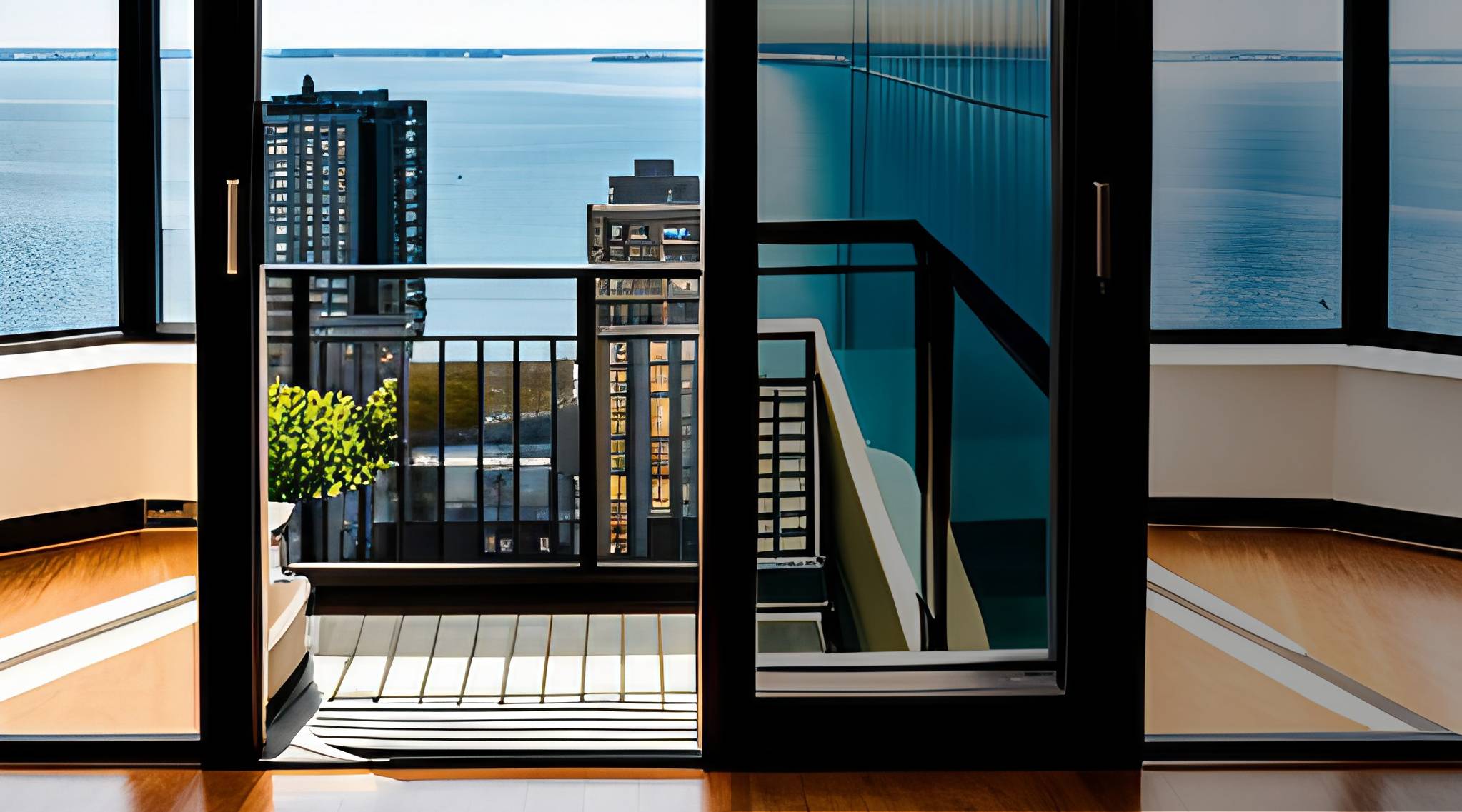
Window films are one of the most practical ways to improve comfort, privacy, branding, and glare control in Toronto and the GTA. When people compare window films with solar shades, they are usually trying to fix the same problems: too much sun, too much visibility, plain glass, fading furniture, or a room that just does not feel right. In many of those cases, window films give you a cleaner and more useful fix because they work right on the glass instead of hanging in front of it.
That matters in real Toronto spaces. A condo in CityPlace may get blasted with late afternoon light. A clinic in North York may need privacy without making the office feel shut in. A retail store in Markham may want branding on the front glass without covering the whole window. A home in Mississauga may need less glare on the TV but still want daylight. These are all common reasons people start comparing shades and film, and they are also the reason window films keep coming up as the better fit.
The reason is simple. Solar shades are mostly an interior covering. Window films are a glass upgrade. That one difference changes a lot. Film can cut glare, add privacy, create frosted sections, support branding, and help a room feel more finished. It does all this while keeping the glass line clean. That is why many condo owners, store owners, office managers, and SEO-minded local business owners in Toronto keep leaning toward film when they want a solution that works hard but still looks neat.
There is also the weather side of it. Southern Ontario gets strong sun in summer, and low winter sun can still create glare in condos, offices, and shop fronts. Public guidance from Environment and Climate Change Canada explains why UV exposure matters, while Natural Resources Canada shows how much window performance affects indoor comfort and energy use. That does not mean every window needs film. It does mean the glass is often doing more to the room than people first think.
This guide keeps it plain. No hype. No weird fluff. Just a clear look at how window films compare with solar shades for homes, offices, clinics, and storefronts across Toronto, Vaughan, Richmond Hill, Brampton, Scarborough, Etobicoke, and the rest of the GTA.
Why Window Films Often Make More Sense
Window films are usually the better choice when the glass itself is the problem.
That sounds obvious, but a lot of people skip over it. They see sunlight, heat, glare, or too much visibility and jump right to shades because shades feel familiar. But shades mostly cover up the issue from inside the room. Film changes how the glass behaves. That is why it often solves more than one problem at once.
For example, if a room feels too bright in the afternoon, film can reduce glare without adding bulky hardware. If a storefront looks too plain, film can add a logo, hours, privacy bands, or a frosted design. If an office meeting room feels exposed, decorative or privacy film can make the glass more useful while still keeping the space bright. A lot of Toronto businesses want exactly that. They do not want the room to feel dark. They just want the space to work better.
That is where decorative window film becomes really useful. It can break up plain glass, add privacy, and make an office or storefront feel more polished. In salons, dental offices, clinics, yoga studios, and small retail spaces, that kind of finish matters. It helps the place feel more thought-out. It also helps with first impressions, which is a big deal in busy Toronto neighbourhoods where customers make fast judgments from the sidewalk.
Window films also suit modern condos and newer office interiors because they do not crowd the frame. No roller. No fabric stack. No hanging layer across the view. In a small downtown condo or a narrow commercial unit, that cleaner look can make the room feel less boxed in. That part gets overlooked, but it matters a ton.
Another point is flexibility. Film can be selected for glare control, privacy, branding, style, or a mix of those goals. That is useful in the GTA because local buildings vary so much. A lake-facing condo in Toronto has different needs than a west-facing shop in Brampton or a south-facing clinic in Vaughan. Film lets you match the fix to the glass instead of using the same fabric covering everywhere.
Where Solar Shades Still Work Well
Solar shades are not useless. They are just better for a different kind of goal.
The main reason people still choose solar shades is control. You can pull them down when the sun is rough and raise them later. That is easy to understand. It feels familiar because it works like other window coverings people have used for years.
In some homes, that is enough. A den, bedroom, or family room may only need help for a few hours a day. The homeowner may also like the softer fabric look. Some people want window coverings to feel like part of the décor, not part of the glass. In that case, shades can make sense.
They can also help soften bright daylight and improve screen comfort. So yes, they do solve some real problems. But they solve them from inside the room. That is the trade-off. Sunlight has already passed through the glass before the shade starts doing its job. In many commercial spaces, that is not ideal. If you run a shop, studio, office, or clinic, you often need more than a movable covering. You may need privacy, branding, a cleaner storefront look, or a way to make plain glass feel more useful.
Solar shades also change the look of the window more than film does. You add brackets. You add a rolled fabric section at the top. When the shades are down, you lose part of the open-glass feel. In some rooms that is fine. In others, it feels heavy. Condo owners in Toronto often notice this fast because many of them paid for the view and the light. They do not really want another bulky layer in front of it.
There is also the wear side. In busy commercial settings, fabric shades can collect dust and start to look tired. That is not a huge issue in every space, but it does matter in high-traffic storefronts, clinics, and service businesses where appearance counts.
Window Films vs Solar Shades in Real Toronto and GTA Spaces
If you strip the whole thing down, the choice comes down to this: do you want to cover the window, or do you want the glass to perform better?
In a lot of Toronto and GTA spaces, film wins because the problem starts with the glass.
Condos
Many condos in Toronto, Etobicoke, and Harbourfront have large windows and strong afternoon light. Window films often work better here because they reduce glare while keeping the space open. Shades can help, but they can also make the unit feel more closed off.
Storefronts
For street-facing businesses, window films usually make much more sense. A shop in Richmond Hill or Scarborough may need privacy on part of the front glass, a logo on the door, and a clean branded look from the sidewalk. Film can do all three. Shades cannot.
Offices and clinics
Interior glass is common in offices and clinics across the GTA. Meeting rooms, treatment rooms, and reception areas often need privacy without losing light. Film is a better tool for that because it can cover only the needed area and still let the space feel open.
Homes
In homes, the choice depends more on the goal. If the owner wants a fabric look and pull-down control, shades may be fine. If the problem is mainly glare, fading, privacy, or keeping the room visually clean, window films usually win.
That is why the comparison is not really about which product is “better” in a general way. It is about which one fits the problem better. In Toronto and the GTA, the answer often ends up being film because local spaces use so much glass and because people want that glass to stay useful, not hidden.
Two Simple Local Examples
Example 1: Condo near Liberty Village.
A west-facing living room had harsh late-day glare on the couch and TV wall. The owner first thought shades would be the normal fix. After looking at the room, the bigger issue was that shades would block too much of the open-glass feel they liked. Window films made more sense because they reduced glare while keeping the condo feeling bright and uncluttered. It was not dramatic. It was just a better match for the space.
Example 2: Small clinic in Mississauga.
The clinic had glass rooms near reception. Patients could see too much, but the owner did not want blinds or curtains because they felt messy and dated. Frosted-style film solved the privacy issue while still letting light move through the office. It also made the clinic look more polished from the front desk area. Thats the kind of small but useful upgrade that matters in real business settings.
These examples are pretty normal, and that is the point. Most people are not hunting for a fancy design statement. They are trying to fix glare, improve privacy, clean up the look, or make the front of the business look more professional. Window films keep showing up because they handle several of those needs at once.
How to Choose the Better Option
Choose window films if you want:
- glare control without bulky coverings
- privacy on front doors, boardrooms, or interior glass
- a cleaner and more modern look
- branding on storefront glass
- the window itself to do more work
Choose solar shades if you want:
- a movable interior covering
- a softer fabric-style look
- a more traditional window treatment feel
If you are dealing with hot glass, strong glare, plain storefront glass, or office partitions that need privacy, film is usually the smarter place to start. If you mainly want a pull-down covering and do not care much about branding or a clean glass-first finish, shades may be enough.
That is why many Toronto and GTA property owners keep landing on window films. They are practical. They look clean. They fit how a lot of local condos, shops, and offices are built right now. They also work well for people who think about SEO and local branding, because the front glass of a business is not just glass. It is part of the customer experience, and yeah, part of the brand too.
Frequently Asked Questions
Are window films better than solar shades for storefronts?
In most cases, yes. Window films can add privacy, branding, and a cleaner finish to the front glass. Solar shades mainly cover the inside view.
Do window films make a room dark?
Not always. Some films are lighter and are chosen to reduce glare without making the room feel too dim. The right product depends on the glass and the goal.
Can window films help offices and clinics?
Yes. They are often used on boardrooms, partitions, entry doors, and treatment-room glass where privacy matters but light still needs to move through the space.
Are solar shades still useful?
Yes. They work well when you want a movable fabric covering and the main goal is simple light control from inside the room.
What is usually the first sign that window films may be the better option?
If the problem starts with the glass itself, like glare, too much visibility, fading, or plain storefront windows, film is often the better fit.
Leave a Reply