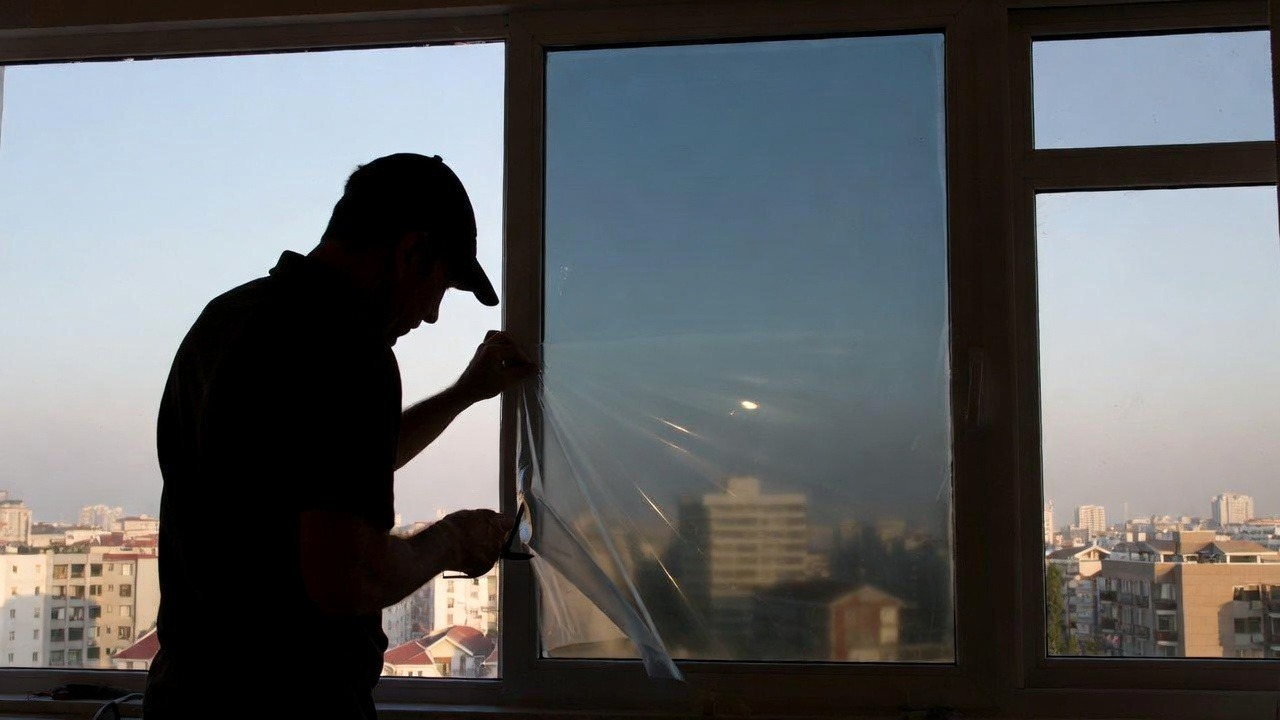
Window films are one of the easiest upgrades for homes in Toronto and the GTA when you want more privacy, less glare, and better comfort without replacing the glass. People often search for window films after they get tired of one bright room, one hot upstairs office, or one front window that feels too open at night. Thats usualy how it starts. A small glass problem turns into an everyday problem.
Good window films can help with heat, UV exposure, glare, daytime privacy, and style. Some are made for strong sun. Some are made for decorative use. Some are made to soften a view without blocking all the light. The U.S. Department of Energy says window films can help reduce solar heat gain and improve comfort. The International Window Film Association also explains that window film can support privacy, comfort, and UV protection. For Toronto homes, that matters in hot July sun, bright winter glare, and those in-between months when one room feels chilly at breakfast and too bright by lunch.
If you are comparing window films for your home, these are the things that matter most in real houses, condos, and townhomes across Toronto, Mississauga, Vaughan, Markham, Richmond Hill, North York, and Scarborough.
1) Window films work best when you start with the room problem
A lot of people start with the wrong question. They ask, “What is your darkest film?” or “Do you have frosted film?” That skips the real issue. The better question is, “What is wrong with this room?” Is it too hot in the late afternoon? Is the TV full of glare? Can people see in through the front entry? Are the floors taking hard sun every day? Window films do differnt jobs, so the room problem should decide the product.
In a west-facing condo near Liberty Village, the main issue is often heat and glare. In a semi-detached home in East York, the problem may be entry privacy. In a bathroom in Vaughan, the issue is usually privacy with daylight kept in place. In a home office in Markham, it might be screen glare more than heat. Same house category, very differnt need.
When homeowners skip this step, they often end up with film that looks fine on a sample card but feels wrong on the window. That is why proffesional advice still matters. Good advice starts with the room, not the brochure.
2) Heat and glare are a bigger deal in Toronto homes than many people expect
Toronto weather swings a lot. Summer sun can hit hard, specialy on upper floors, lake-facing condos, and west-facing family rooms. Winter has its own issue too. Bright snow glare can bounce into rooms and make them feel sharp and tiring, even when the temperature is cold. Window films help because they change how the glass handles light and solar heat.
One common example is a second-floor office in North York with a west-facing window. By 3 p.m., the room is too hot. The monitor is hard to read. The blinds stay closed most of the afternoon, which makes the room feel gloomy. A solar-control film can cut the harshness and make the room easier to use. It does not fix every building problem, but it can make the space feel steadier and less annoying day after day.
That daily comfort is why many homeowners start searching for window films in the first place. Energy savings matter, yes. But most people notice comfort before they notice anything else. The room just feels better. Less squinting. Less heat on the couch. Less need to keep the blinds shut all the time.
3) Privacy films are useful, but day and night are not the same thing
Privacy is where a lot of confusion happens. A film that helps in daylight may not give the same result at night once the lights are on inside. Homeowners need clear answers about that. If an installer promises “full privacy” without asking when you need it, slow down a bit.
For front door sidelights, bathroom windows, basement windows, and glass near a neighbour’s path, decorative and frosted films are often the better fit. They soften the view while still letting in a lot of natural light. That is a nice balance for Toronto homes with close lot lines or busy sidewalks. In older parts of the city like Leslieville, Riverdale, or the Annex, houses can be close enough that even a small privacy issue feels big at night.
One small case example: a homeowner in Scarborough liked the natural light at the entry but hated how exposed the glass beside the door felt after dark. Curtains looked clumsy there. A frosted-style privacy film fixed the problem without making the entry feel boxed in. It was a small job, but the result changed how the whole front area felt.
4) Decorative window films are not just about looks
Decorative film gets treated like a style product only, but that misses the point. Yes, it helps the glass look better. It can also make the room work better. Decorative film can soften direct views, hide clutter behind pantry glass, improve bathroom privacy, and make office or studio glass look more finished.
In Toronto condos, that matters because space is tight and heavy treatments can feel bulky. In suburban homes across the GTA, decorative film is often a cleaner fix for front entries, side doors, stairwell panels, and odd little windows that never looked right with blinds or curtains. The design does not need to be loud. Most of the time, simple works best.
If style and privacy are both part of the goal, decorative window film is often where the conversation should start. It gives people a way to keep light, clean up the look of the glass, and stop feeling exposed. Thats a lot of value from one update.
5) Some homeowners also need logo film or vinyl film for home-based work spaces
Not every home project is purely residential anymore. Across Toronto and the GTA, more people run businesses from home, meet clients in small studios, or use part of the house as a work space. In those cases, vinyl window film and logo film can make a glass door or partition look cleaner and more proffesional.
This shows up in home salons, wellness rooms, basement offices, laneway studios, and small client-facing spaces. A simple logo on glass or a partial privacy band can make the space feel more put together without spending on a full renovation. It can also help separate the “home” part of the property from the “business” part in a way that feels quiet and neat.
That said, the film still needs to match the goal. A logo film is not the same thing as a solar film. A decorative film is not always the answer for heavy afternoon glare. People sometimes bundle all window films into one category, but the use matters a lot.
6) The glass itself matters more than most people think
Not all windows should get the same film. Modern homes around Toronto often have double-pane glass, tempered panels, Low-E coatings, mixed room exposures, and windows of differnt ages in the same house. The film has to match the glass type and where the sun hits it. That is not fancy talk. It is just how you avoid bad fits.
A careful installer should ask about the window before giving a final recommendation. What kind of glass is it? How old is it? Is it west-facing? Does it get strong afternoon sun? Is it a large fixed pane or a smaller door insert? If the quote skips all those questions, that is not a great sign.
This is where local experience helps. Installers working across Toronto, Etobicoke, Richmond Hill, and Mississauga see all kinds of homes: old brick houses, tall glass condos, new-build townhomes, and family houses with additions done years apart. Real-world experience helps them spot what might work and what might not.
7) Cheap film can end up costing more later
Price matters. Everyone knows that. But the cheapest option can become the most expensive one when the install is rough or the film is weak. Homeowners notice peeling corners, trapped dust, uneven cuts, haze, bubbles, and poor edges very fast. Then they have to pay for removal and do the job again. Thats money and time gone.
It is often smarter to do the worst windows first and do them properly. Start with the hot office, the exposed bathroom, or the blinding living room. A good result there will tell you a lot more than a rushed whole-home install done because the quote looked low.
Tintly Window Films has long focused on careful, tailored installs rather than a rushed one-size-fits-all approach, and that kind of mindset matters in homes where details show. Clean lines, proper fit, and the right film choice are what make the upgrade feel worth it months later, not just on install day.
8) Window films can help protect floors, furniture, and fabrics
Strong sun does more than make a room hot. Over time, it can be rough on flooring, wood finishes, rugs, artwork, and furniture. Many homeowners start with comfort as the goal, then realize that UV reduction is a nice side benefit too. In rooms with long hours of sun, that added protection can matter a lot.
This is very common in bright front rooms in places like Oakville, South Etobicoke, or lake-facing condo units downtown. The light looks great, but it can be hard on surfaces over time. Window films let you keep the daylight while taking some of the sting out of it. That is part of why they keep showing up in conversations about home comfort and practical upgrades.
Business owners working from home notice this too. If clients come into the space, better glare control and cleaner light can make the room feel more comfortable and more polished without being flashy.
9) The best advice is plain, local, and honest
The best window film advice is not the most technical sounding advice. It is the clearest advice. A good local installer should be able to say what the film will do, what it will not do, how it will look in daylight, and how it will look after dark. That is what helps homeowners make a solid choice.
Toronto and the GTA are full of differnt building types and differnt light problems. A condo near the Gardiner does not behave the same way as a detached house in Markham. A shaded bathroom in North York is not the same as a blazing west-facing family room in Vaughan. Good local advice accounts for that. It sounds specific because it is specific.
If you are comparing window films, start with the room that bugs you the most. Fix that first. It is a simple way to learn what matters to you most: comfort, privacy, style, glare control, or UV protection. After that, the rest of the project gets easier to plan.
Need help choosing window films for a Toronto or GTA home?
Start with the window that causes the most stress. Then talk to a local installer who can match the film to the room, the glass, and the way you use the space every day. That is usualy the difference between a job that feels smart and one that feels random.
Frequently Asked Questions About Window Films
Are window films worth it for homes in Toronto?
For many homes, yes. Window films can help with glare, daytime privacy, UV exposure, and room comfort. The biggest change people notice first is often how the room feels, not just how it looks.
Do window films make a room darker?
Some do a little, but not all films make a room feel dark. Many solar films reduce glare and heat while still keeping a good amount of natural light. Decorative films can also keep light while adding privacy.
What type of window films are best for bathroom or entry privacy?
Frosted and decorative films are often the best fit for bathroom windows, front doors, and sidelights. They soften the view and keep the light, which is why they are popular in Toronto homes.
Can window films help with west-facing windows?
Yes. West-facing windows often get strong afternoon sun, and solar-control films can reduce glare and heat to make those rooms easier to use.
Should I choose solar film or decorative film?
Choose solar film when heat and glare are the main problem. Choose decorative film when privacy and style are the bigger goal. Some homes end up using both in differnt rooms.
Leave a Reply