# What Every Homeowner Should Know About Residential Window Tinting
In today’s world, homeowners are constantly seeking ways to improve their living spaces, enhance privacy, and reduce energy costs. Residential window tinting offers a practical solution to these needs, making it an increasingly popular choice for many. If you’re considering this option, it’s crucial to understand the benefits, types, and installation process of window tinting.

Energy Efficiency and Cost Savings
One of the most significant advantages of home window tinting is its ability to improve energy efficiency. By reducing the amount of heat that enters your home, window tinting can lower your cooling costs during the hot summer months. This not only saves money on energy bills but also reduces the strain on your HVAC system, potentially extending its lifespan.
Enhanced Privacy and Security
Privacy is a top concern for many homeowners. Residential window tinting can provide an added layer of privacy without sacrificing natural light. Privacy window films are designed to obscure the view from outside while maintaining a clear view from inside. This is especially beneficial for homes in densely populated areas.
In addition, tinted windows can enhance security by making it more difficult for potential intruders to see inside your home. Some films are also designed to hold glass together in case of breakage, adding an extra layer of protection against break-ins and accidents.
UV Protection
Harmful UV rays from the sun can fade your furniture, carpets, and artwork over time. Residential window tinting can block up to 99% of these rays, preserving the color and integrity of your home’s interior. Additionally, reducing UV exposure can protect your skin from harmful effects, providing peace of mind for you and your family.
Types of Residential Window Tinting

Reflective Window Films
Reflective window films are known for their mirror-like appearance from the outside. They effectively reduce heat and glare, making them a popular choice for homeowners looking to enhance privacy and energy efficiency. However, it’s important to consider that these films can significantly alter the exterior appearance of your home.
Non-Reflective Films
For those who prefer a more subtle look, non-reflective films offer similar benefits without the mirrored finish. These films are typically dyed or metalized, providing a range of options to suit different aesthetic preferences. Non-reflective films are effective at reducing glare and UV exposure while maintaining a natural appearance.
Ceramic Window Films
Ceramic window films are made from advanced nanotechnology, offering superior heat rejection and UV protection without affecting visibility. These films are known for their durability and clarity, making them an excellent choice for homeowners who want high-performance window tinting without compromising the view.
Decorative Films
Decorative films provide an opportunity to add a unique touch to your home. Available in various patterns and designs, these films can transform plain glass into a stylish feature. Whether you want to add a frosted look, geometric patterns, or custom designs, decorative films offer endless possibilities for personalizing your space.
The Installation Process
Professional Installation vs. DIY
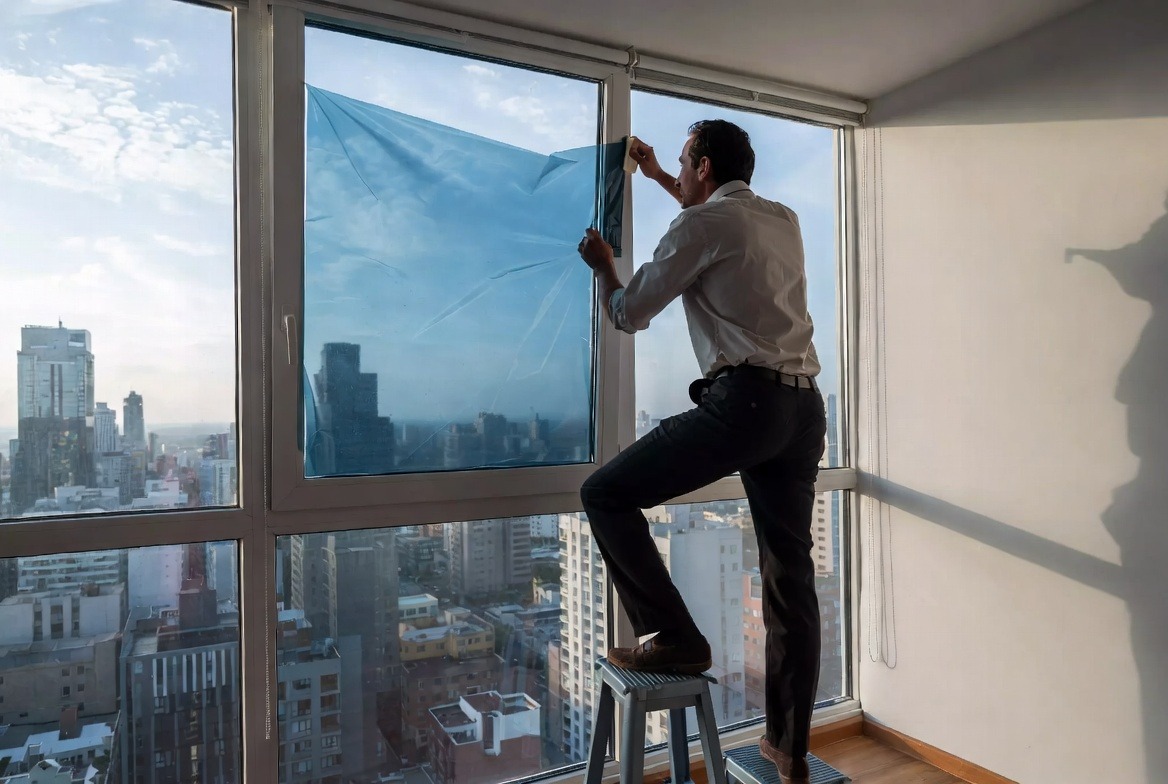
While some homeowners may be tempted to install window tinting themselves, professional installation is often recommended for the best results. Professional installers have the expertise and tools needed to ensure a flawless application, minimizing the risk of air bubbles, creases, or peeling.
DIY kits are available for those who prefer a hands-on approach, but it’s important to carefully follow instructions and be prepared for a potentially challenging process. Keep in mind that improper installation can void warranties and may not achieve the desired results.
What to Expect During Installation
During a professional installation, the process typically begins with a consultation to assess your needs and select the appropriate film. The installer will clean the windows thoroughly before applying the film. The film is then carefully cut to size and applied using a squeegee to ensure a smooth finish.
The installation process can take a few hours to a day, depending on the number of windows and the complexity of the job. Once installed, it’s essential to allow the film to cure properly, which may take a few days to a week.
Caring for Your Tinted Windows

by Nino Maghradze (https://unsplash.com/@nini_m)
To maintain the effectiveness and appearance of your tinted windows, regular care is important. Here are some tips to keep them looking their best:
- Cleaning: Use a soft cloth or microfiber towel with a mild, non-abrasive cleaner. Avoid using ammonia-based products, as they can damage the film.
- Avoid Scratching: Be cautious when cleaning around window edges and avoid using sharp objects that could scratch the film.
- Inspect Regularly: Periodically check for any signs of damage or peeling and address them promptly to prevent further issues.
Conclusion
Residential window tinting offers a multitude of benefits for homeowners seeking to enhance privacy, improve energy efficiency, and protect their interiors. With a variety of films to choose from, you can find the perfect solution to meet your needs and complement your home’s design. Whether you opt for professional installation or a DIY approach, understanding the process and proper care will ensure you enjoy the advantages of window tinting for years to come.
Incorporating window tinting into your home improvement plans can be a smart investment, offering both immediate benefits and long-term savings. As a trusted source in home improvement solutions, we’re here to help you navigate your options and achieve the best results for your living space.
Leave a Reply