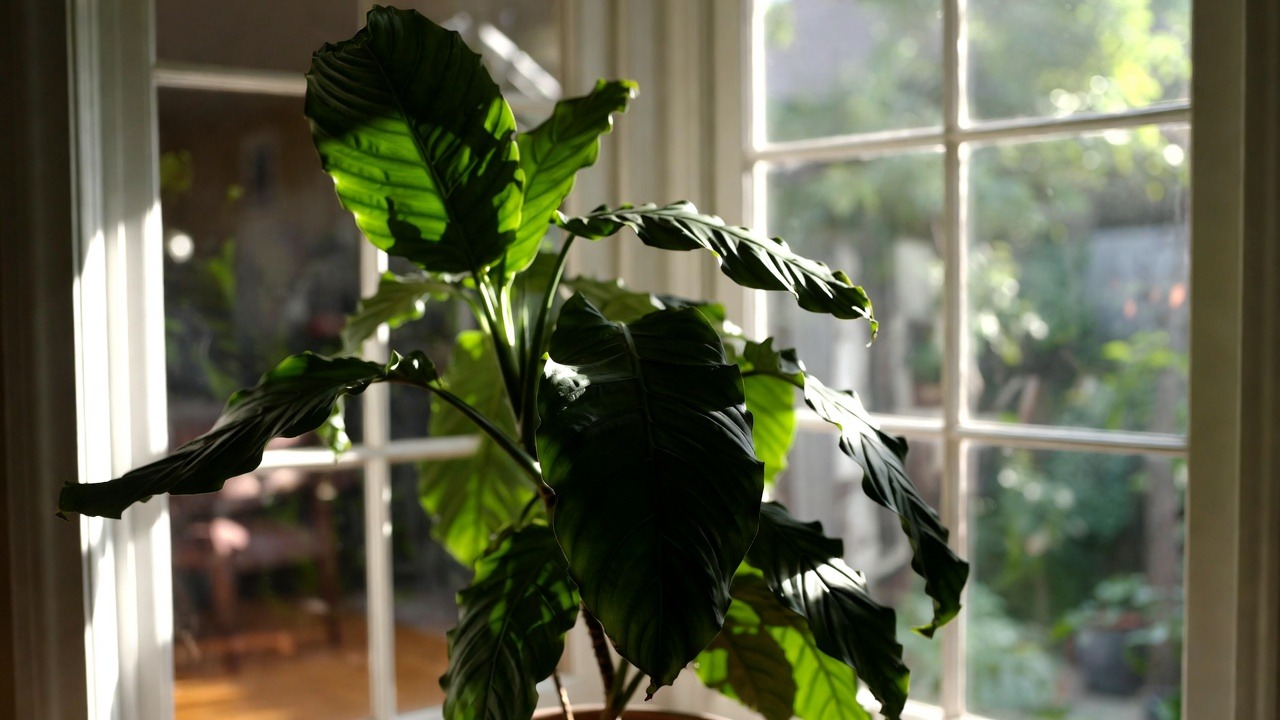
Indoor gardening enthusiasts often face a common concern: will window tinting impact the growth of indoor plants? As an expert in home improvement solutions, particularly window film installations, I understand the significance of ensuring that your living space is both aesthetically pleasing and functional. This article will explore how window tinting might affect your indoor plants and provide you with practical indoor gardening tips to ensure your plants thrive.

Window tinting is a popular home improvement solution that offers numerous benefits, such as enhanced privacy, reduced glare, and improved energy efficiency. By applying a thin film to your windows, tinting can block a significant portion of the sun’s ultraviolet (UV) rays while still allowing natural light to illuminate your space. This can help maintain a comfortable temperature in your home, reducing the need for air conditioning and ultimately lowering energy costs.
Types of Window Tinting Films
There are several types of window tinting films, each designed to meet specific needs and preferences:
- Reflective Films: These films are designed to reflect sunlight, reducing heat gain and glare. While they offer excellent energy efficiency, they may block more light than other options, which could impact plant growth.
- Dyed Films: Dyed films absorb sunlight and reduce glare without significantly affecting visibility. They provide moderate heat reduction and are generally less expensive.
- Ceramic Films: These films offer superior heat reduction and UV protection while maintaining excellent clarity and visibility. They are an excellent choice for those seeking energy efficiency without compromising on aesthetics.
- Spectrally Selective Films: These films are designed to block specific wavelengths of light, such as UV and infrared, while allowing visible light to pass through. They provide excellent energy efficiency and do not significantly impact plant growth.
The Relationship Between Window Tinting and Indoor Plants
To understand how window tinting might affect indoor plants, it’s essential to consider the specific needs of your plants and the type of tinting film used. Plants rely on sunlight for photosynthesis, the process by which they convert light energy into chemical energy to fuel their growth. If window tinting significantly reduces the amount of light available to your plants, it could impact their growth and overall health.
Factors Affecting Plant Growth
- Light Intensity: Different plants have varying light requirements. Some, like succulents and cacti, thrive in bright, direct sunlight, while others, such as ferns and orchids, prefer lower light conditions. Understanding your plants’ light needs is crucial when considering window tinting.
- Light Spectrum: Plants use different wavelengths of light for photosynthesis. While visible light is essential, UV and infrared light play a role in plant growth. Spectrally selective films that allow visible light but block UV and infrared can be beneficial.
- Duration of Light Exposure: The amount of time your plants are exposed to light can also impact their growth. Even with tinted windows, ensuring your plants receive adequate light exposure is essential.
Indoor Gardening Tips for Homes with Tinted Windows

If you’re considering window tinting but are concerned about your indoor plants, here are some practical indoor gardening tips to ensure they thrive:
Assess Your Plants’ Light Needs
Before installing window tinting, take the time to understand the specific light requirements of your plants. Group plants with similar light needs together and place them in areas where they can receive adequate light exposure.
Choose the Right Tinting Film
Select a window tinting film that balances energy efficiency with the needs of your plants. Spectrally selective films are an excellent choice for maintaining visible light while reducing heat and UV exposure.
Monitor Light Levels
Use a light meter to measure the intensity of light reaching your plants. This can help you determine if additional light sources are needed to supplement natural light.
Use Supplemental Lighting
If window tinting reduces the available light for your plants, consider using supplemental lighting, such as LED grow lights. These lights are designed to provide the specific wavelengths of light that plants need for photosynthesis.
Rotate Your Plants
Regularly rotate your plants to ensure all sides receive equal light exposure. This can help prevent uneven growth and ensure your plants remain healthy and vibrant.
Adjust Watering and Fertilization
With changes in light levels, your plants’ water and nutrient needs may also change. Monitor your plants closely and adjust your watering and fertilization routine as needed.
Balancing Aesthetics and Functionality

by Krišjānis Kazaks (https://unsplash.com/@kazaks)
As an interior designer, finding cost-effective solutions that enhance both aesthetics and functionality is essential. Window tinting can be an excellent addition to your design toolkit, offering stylish and eco-friendly options that complement your clients’ interiors while reducing energy costs.
Matching Tinting with Design
Consider the overall design and color scheme of your client’s space when selecting window tinting films. Reflective films may complement modern, minimalist interiors, while dyed or ceramic films can enhance more traditional or eclectic designs.
Enhancing Plant Displays
Incorporate plant displays that align with your client’s design vision. Use decorative pots, plant stands, and shelving to create visually appealing arrangements that showcase the beauty of both the plants and the tinted windows.
Educating Clients
Educate your clients about the benefits of window tinting and how it can enhance their living spaces. Highlight the energy savings, improved comfort, and stylish appearance that tinted windows can offer.
Conclusion
Window tinting can impact the growth of indoor plants, but with careful planning and consideration, you can create a harmonious balance between aesthetics and functionality. By understanding your plants’ light needs, choosing the right tinting film, and implementing indoor gardening tips, you can ensure your indoor plants thrive in a beautifully designed space. As a trusted expert in home improvement solutions, I am committed to helping you achieve excellence and professionalism in service delivery, enhancing your living spaces with innovative solutions.
Leave a Reply