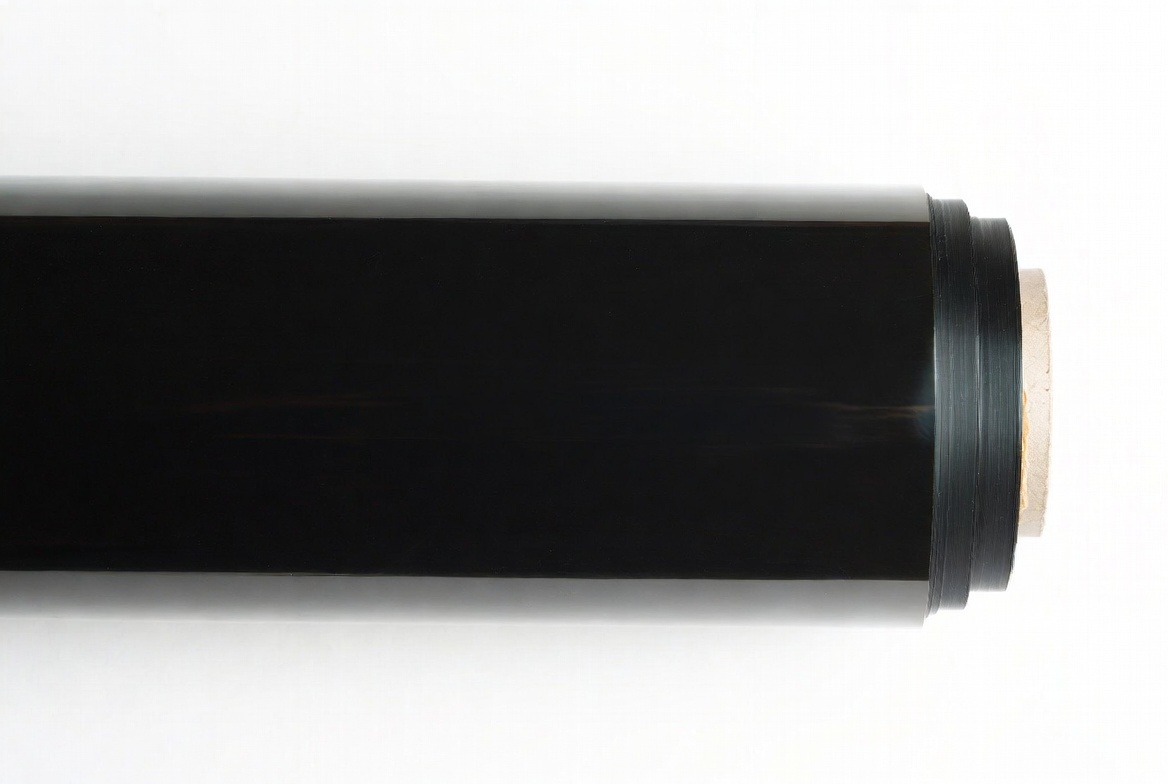
Window films are one of the most practical upgrades for homes and businesses in Toronto and the GTA. Good window films can cut glare, help with privacy, reduce UV exposure, and make rooms feel more comfortable in both summer and winter. But when older film starts bubbling, peeling, fading, or turning hazy, many property owners ask the same question: should you repair it, replace it, or switch to a better brand?
This guide compares three names people ask about all the time: Tintly Window Films, 3M, and Llumar. It also explains what usually goes wrong with aging window films, what tends to last in Toronto weather, and why the installer matters just as much as the product. If you want a basic explainer first, read what is window film. If your bigger question is cost versus a renovation, this guide on window film vs window replacement is also very useful.
People in North York, Etobicoke, Scarborough, Mississauga, Vaughan, Markham, Richmond Hill, Brampton, Oakville, and Burlington all deal with a bit of the same thing. Big south-facing windows get hot in July. Condo glass gets harsh glare in the afternoon. Storefront windows get beat up by sun, cleaning, and traffic. Older homes with large living room panes often show every flaw once the light hits just right. So yes, brand matters. But install quality still decides a lot of the outcome.
Natural Resources Canada explains that better window upgrades can improve comfort and energy use in Canadian homes, and the U.S. Department of Energy also notes that some window films can reduce solar heat gain on existing glass. You can read more here: Natural Resources Canada and U.S. Department of Energy.
Tintly Window Films
Tintly is local, and that matters more than many people think. A local window tinting service sees how glass performs in real Toronto conditions, not just in a product brochure. We work with houses, condos, offices, restaurants, and retail spaces across the GTA. That means we see the same problems over and over again, and we also see what actually lasts.
Many failing window films are not bad because the idea of film is bad. They fail because the wrong film was installed on the wrong glass, or because the install was messy. A rough edge cut can turn into peeling. Trapped dust becomes bubbles. Too much moisture left under the film can create haze. Some installers rush the prep and hope the customer does not notice. Then six months later, the phone rings.
Tintly handles new installs, removals, upgrades, and problem jobs. That is a big part of why people call us. They may already have film on the window, but it is not working the way it should. Sometimes it is old. Sometimes it was DIY. Sometimes it was done by another company that cut corners a bit too hard.
A recent case in East York shows how this happens. A homeowner had old film on a front bay window. The film looked fine in the morning, but every afternoon the sun made the flaws show up. There were streaks, edge lift, and tiny bubbles across two panes. The owner thought a simple patch would fix it. Once we checked the glass, it was clear the adhesive had already started failing across most of the pane. A repair would have looked patchy and would not last. Replacing the film was the better move, even if the first idea seemed cheaper.
Another case came from a small office in Vaughan near Highway 7. The staff complained that one side of the office felt hot and bright after lunch every day. The film on the windows was old and weak, and some panes had turned slightly purple. After removal and a better solar film install, the office felt more even and easier to work in. One staff member said the glare on the monitors was “way less annoying now,” which is not fancy wording, but it was true.
That kind of plain result matters. People do not buy window films because they want a technical product. They buy them because the room feels too hot, too exposed, too bright, or too uncomfortable. A good installer should speak to the real problem, not just toss around specs.
3M Window Films
3M is one of the best-known names in window films. Many Toronto homeowners and business owners ask for it by name because they have heard of the brand before. That makes sense. 3M has a strong reputation and offers several respected film lines for glare control, UV reduction, and heat rejection.
Still, there is a part many people miss. 3M makes film. It does not personally install it on your home or office. A dealer or installer handles that part. So the final result still depends on window prep, glass type, measuring, cutting, and finishing. A strong product can still fail early if the installation is poor. That part gets missed a lot, and it causes people to blame all window films when the real issue was the workmanship.
We have seen some very solid 3M installs in downtown Toronto condo towers and commercial units in Mississauga. We have also seen 3M jobs with edge lift, haze, trapped debris, and bad alignment. Same brand. Very diffirent result. That is why brand alone is not enough.
3M often appeals to buyers who want a premium option. In many cases, that can be a fair choice. The product line can perform well, and some films offer strong heat control with good visibility. But the cost is usually higher, and some dealers default to full replacement even when the customer first asks about repair. Part of that is practical. A small patch on aged film may not match the older panel because sun exposure changes film over time. So yes, replacing a full pane can be smarter. But the homeowner should still get a straight explanation, not just a hard sell.
For homes in Toronto with lots of direct sun, 3M can work well if the installer knows what they are doing. For a storefront with older glass or a mixed set of panes, product choice and compatibility matter a lot. That is why a proper site check matters before anyone starts talking like one brand fixes every situation.
Llumar Window Films
Llumar is another name people see often when shopping for window films. It usually sits in the middle range for many buyers. It can be more affordable than some premium products while still offering decent glare control, UV protection, and a clean look when installed well.
In the GTA, Llumar shows up in homes, offices, and retail units. We have seen it in Markham houses, Scarborough storefronts, and office units in Richmond Hill. In many of those spaces, it performs well. It can help soften the light, reduce glare, and give the room a more stable feel during sunny parts of the day.
But like other window films, Llumar is not immune to aging or bad installation. Older installs can show edge lift, slight discolouration, trapped dust from the original job, or a cloudy look that gets worse in late afternoon light. Those problems stand out even more on patio doors, front windows, and large living room glass where the light angle changes during the day.
A case from Scarborough is a good example. A family had Llumar on a patio door and two back windows. The windows were still okay, but the door was peeling at the bottom and had a milky look in the centre. They thought the whole set had to go. After inspection, only the patio door needed replacement right away. The other panes still had life left. That honest call saved them money and also built trust. Not every job needs the largest invoice.
Llumar can be a smart choice for buyers who want a known brand without jumping straight to the highest price point. But again, the real test is how well it is installed and whether the film suits that glass and that room.
What Actually Matters Most With Window Films in Toronto?
The short answer is this: the best window films for Toronto homes and businesses are the ones matched to the right goal and installed cleanly. If your real problem is heat and glare, the film should be selected for that. If you want privacy, the film should be selected for privacy. If the concern is security, safety, or glass hold, then you need a product built for that job.
That sounds simple, but many people get sold one generic option for every issue. That is where things start to go wrong. A condo near the lake may need glare control with a lighter look. A house in Richmond Hill may need UV protection on wood floors and furniture. A restaurant near King Street may care more about comfort for guests and a more even outside appearance on the front glass. A one-size-fits-all pitch is usually a bad sign.
Toronto weather also changes what people need. In summer, big west-facing windows can make a room feel hot and bright fast. In winter, older homes with large panes still get harsh glare even when the outside air is cold. Offices and storefronts deal with these problems almost all year. That is why local experience helps. It is not just about putting film on glass. It is about reading the room, the light, and the property type.
Should You Repair or Replace Old Window Films?
This is the part people care about most, and fair enough. Repair can work sometimes. Replacement makes more sense many other times. The trick is knowing which one fits the real condition of the film.
Repair may work when:
- The problem is small and near the edge
- The film is still fairly new
- The rest of the pane looks stable and clear
Replacement is usually better when:
- The film has many bubbles across the pane
- The colour has changed or turned purple
- The adhesive looks hazy or streaky
- The old install was DIY or rushed
- You want better performance than the old film ever gave you
One Mississauga homeowner asked us to repair a peeling corner on a side window because they were trying to keep costs low. That made sense at first. But once the edge was lifted for inspection, the film separated badly and showed moisture marks farther in. A patch would have been a short-term bandage. Replacing the pane film was cleaner and more cost-effective over time. It was not the answer they hoped for, but it was the honest one.
Many quality window films can last around 10 to 15 years, sometimes longer. But that depends on sun exposure, glass type, film quality, and the install. A cheap product or weak workmanship can cut that lifespan down fast.
How to Pick the Right Window Film Company
Ask simple questions. A good company should answer them in simple language.
- What film type fits my problem?
- Can my glass handle this film?
- Do I need repair, removal, or full replacement?
- What warranty applies to the film and labour?
- How will it look from inside and outside?
If the answers are clear, that is a good sign. If the answers are vague, rushed, or sound like a script, be careful. A real local installer should be able to speak to Toronto homes, GTA condos, offices, storefronts, and the way different glass behaves in each setting.
That is also why local service matters for Google Maps and local search. A business that actually works in Toronto and the GTA should be able to mention real neighbourhoods, real property types, and real customer problems without forcing it. That kind of detail helps both search engines and actual people trust the content more.
Frequently Asked Questions About Window Films
Should I repair or replace damaged window film?
You should repair damaged film if the issue is small and close to one edge. You should replace it if the film has large bubbles, peeling, fading, or adhesive failure.
How long do window films last in Toronto and the GTA?
Many quality window films last about 10 to 15 years. Lifespan depends on sun exposure, film quality, glass type, and installation quality.
Can bubbling window film be fixed?
Small edge bubbles can sometimes be fixed. Large bubbles across the glass usually mean the film needs replacement.
Is 3M window film worth it for homes?
3M can be worth it if the film matches your goal and the installer does good work. A premium product can still fail early if the installation is poor.
What should I look for in a Toronto window tinting service?
Look for local experience, clear advice, and proof of past work on homes or businesses like yours. The company should explain repair versus replacement in plain language.
Leave a Reply