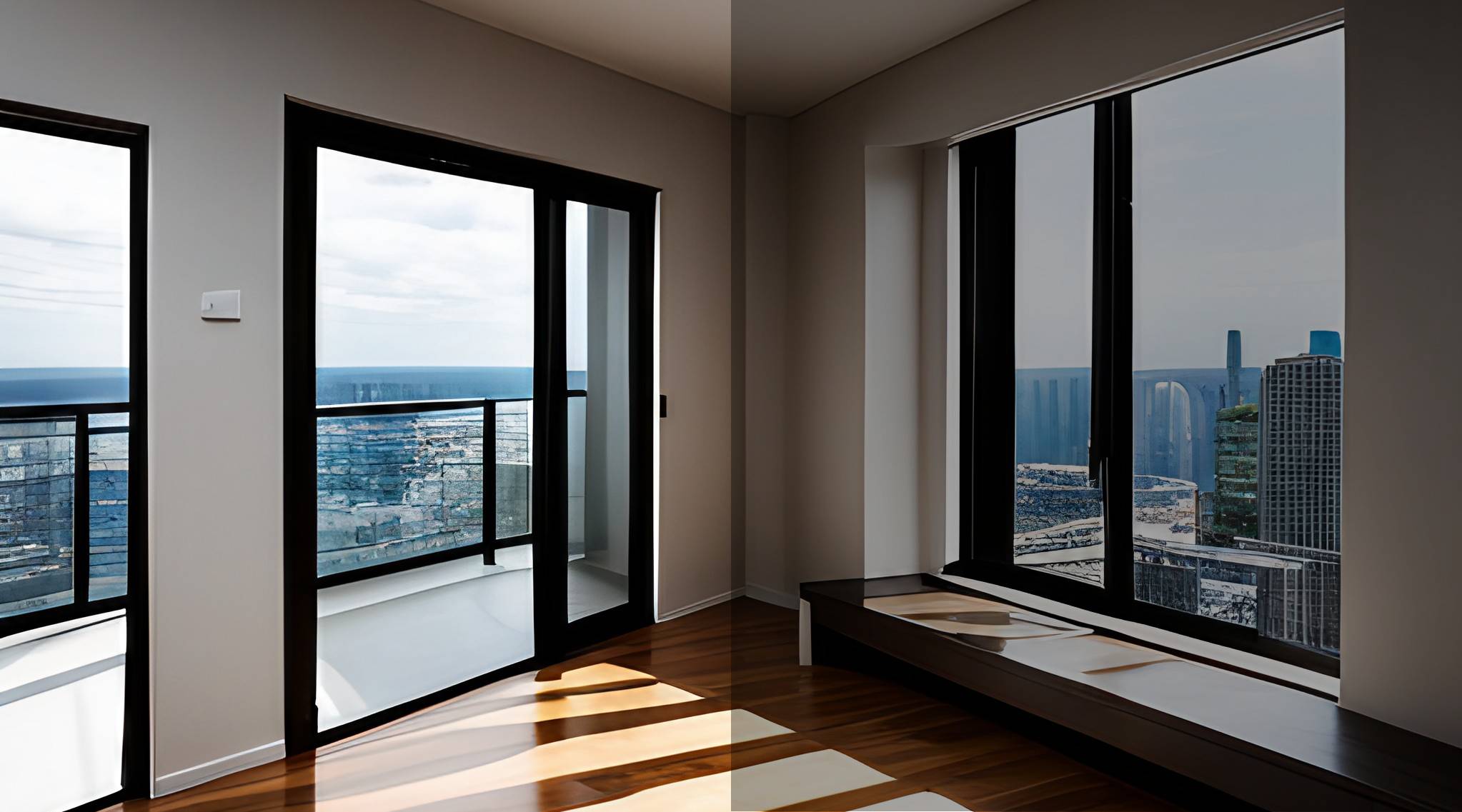
Window insulation film is a thin layer of plastic or polyester material applied to the interior surface of windows. It serves multiple purposes, from reducing energy consumption and providing UV protection to enhancing privacy and security. This versatile product has gained popularity not only for its practical benefits but also for its ability to transform the look of a space without the need for more invasive home improvements. As the demand for sustainable and efficient home solutions grows, window insulation film stands out as a forward-thinking choice for both residential and commercial projects.
Most window films are made of polyethylene terephthalate (PET), a type of polyester known for its strength and durability. This material is favored for its excellent clarity and resistance to tearing, ensuring that the film remains effective and visually pleasing over time. The film can be clear, colored, or patterned, allowing you to choose the right style to match the client’s interior design preferences. Additionally, advanced manufacturing processes have led to the development of multi-layered films that offer enhanced performance, including improved heat rejection and greater UV protection.
Window insulation film works by reflecting or absorbing heat and sunlight. This helps maintain a comfortable indoor temperature, reducing the need for air conditioning in the summer and heating in the winter. The film’s ability to control solar heat gain makes it an excellent investment for properties in varying climates. Additionally, it blocks harmful UV rays, preventing them from fading furniture and flooring. By acting as a barrier against UV radiation, window film not only extends the lifespan of interior furnishings but also contributes to the health and well-being of the occupants by reducing exposure to these harmful rays.
Industry experts highlight several advantages of window insulation film that make it a popular choice for homeowners and designers alike. By offering a blend of functionality and style, window film addresses common concerns related to energy efficiency, comfort, and aesthetics, making it a compelling addition to any space.
One of the primary reasons to consider window insulation film is its impact on energy efficiency. By reducing the amount of heat entering or escaping through windows, the film helps lower energy consumption. This leads to reduced utility bills and a smaller carbon footprint. The energy savings can be substantial, making window film a cost-effective solution in the long run. Furthermore, as energy costs continue to rise, the importance of energy-efficient solutions like window film becomes even more pronounced, offering homeowners a proactive way to manage their expenses.
Window film contributes to a more comfortable living environment by minimizing temperature fluctuations. It helps keep interiors cooler during hot summer months and warmer during cold winters, ensuring occupants remain comfortable year-round. By stabilizing indoor temperatures, window film reduces the reliance on heating and cooling systems, which can lead to a quieter and more peaceful home environment. This consistent indoor climate not only enhances personal comfort but can also improve the overall air quality by reducing the strain on HVAC systems.
Sunlight can cause significant damage to interior furnishings over time. Window insulation film blocks up to 99% of harmful UV rays, protecting furniture, artwork, and flooring from fading and deterioration. This level of protection is particularly important for preserving the integrity of valuable or sentimental items. In addition to safeguarding possessions, window film contributes to the overall health of the home’s occupants by reducing the risk of skin damage and other health issues associated with prolonged UV exposure.
Certain window films offer increased privacy by limiting visibility from the outside. This is particularly beneficial in urban environments where homes are often in close proximity. The added privacy can enhance the sense of security and personal space for residents. Additionally, some films are designed to reinforce glass, making it more resistant to breakage and enhancing home security. In the event of an attempted break-in or natural disaster, reinforced window film can prevent glass from shattering, reducing the risk of injury and property damage.
To gain a deeper understanding of the benefits and applications of window insulation film, we spoke to several industry experts. Their insights underscore the diverse applications and advantages of window film, highlighting its role as a key component in modern design and sustainability practices.
Energy consultants emphasize the role of window film in improving a building’s overall energy efficiency. “Window film is a simple yet effective solution for reducing energy costs,” says Jane Rogers, an energy consultant with over 15 years of experience. “It acts as a barrier against heat loss and gain, which is crucial for maintaining a stable indoor climate.” Energy experts also note that window film can complement other energy-saving measures, such as improved insulation and energy-efficient appliances, to create a more sustainable and cost-effective home environment.
Interior designers appreciate window film for its versatility and design options. “You can find films that mimic the look of stained glass, frosted glass, or even decorative patterns,” explains Mark Anderson, a seasoned interior designer. “This allows designers to incorporate window film into their projects without compromising on style.” The ability to customize window film means that designers can enhance the visual appeal of a space while addressing functional needs, making it a valuable tool in creating cohesive and attractive interiors.
Sustainability is a growing concern in the design industry, and window insulation film offers an eco-friendly solution. By reducing energy consumption, it contributes to a lower environmental impact. “It’s a win-win situation,” notes Sarah Lee, a sustainability consultant. “Homeowners save on energy costs while also doing their part to reduce greenhouse gas emissions.” The use of window film aligns with broader environmental goals, supporting the transition to greener, more sustainable living practices and helping to mitigate the effects of climate change.
With various options available, selecting the right window film for a project can be challenging. Here are some factors to consider to ensure you choose the most suitable film for your specific needs and preferences.
The effectiveness of window film can vary depending on the local climate and the orientation of the windows. In warmer climates, films with higher heat rejection properties are more beneficial, while in cooler regions, films that retain heat are preferable. Consideration of local weather patterns and sun exposure can guide your choice, ensuring that the film provides optimal performance and energy savings. Additionally, understanding the specific needs of a building based on its geographical location can help in selecting a film that addresses both environmental and aesthetic requirements.
Consider the client’s style preferences when choosing window film. Whether they prefer a clear, tinted, or decorative film, there are options to suit every taste and complement any design scheme. The wide variety of films available means that you can tailor your choice to enhance the existing decor or make a bold design statement. Collaborating with clients to understand their vision can lead to a more personalized and satisfactory outcome, ensuring that the window film not only meets functional needs but also aligns with their aesthetic goals.
Window films come in a range of prices, from budget-friendly options to high-end solutions. Determine the client’s budget to help narrow down the choices and ensure they receive the best value for their investment. It’s important to balance cost considerations with the desired level of performance and visual appeal. By exploring different film options and their associated benefits, you can guide clients in making informed decisions that meet their financial constraints while maximizing the return on investment.
Proper installation is key to maximizing the benefits of window insulation film. While some DIY kits are available, professional installation is recommended for optimal results. Professionals have the expertise and tools to ensure a perfect fit and finish, preventing common issues such as bubbling or peeling that can arise from improper application.
Maintaining window film is straightforward. Regular cleaning with a soft cloth and mild detergent is usually sufficient to keep the film looking its best. Avoid using abrasive materials or harsh chemicals, as they can damage the film. Simple maintenance practices can extend the life of the window film, ensuring it continues to perform effectively and maintain its appearance over time. By following recommended care guidelines, homeowners can enjoy the full benefits of their window film investment for many years to come.
Window insulation film is a versatile and cost-effective solution for enhancing both the aesthetics and functionality of a home. By reducing energy costs, improving comfort, and offering UV protection, it meets the needs of eco-conscious homeowners and designers alike. With expert insights and practical advice, you can confidently integrate window film into your design projects, delivering exceptional results for your clients. As the push for more sustainable and efficient home solutions continues to grow, window insulation film stands as a testament to the power of simple yet innovative design interventions in shaping the future of interior spaces.
Leave a Reply