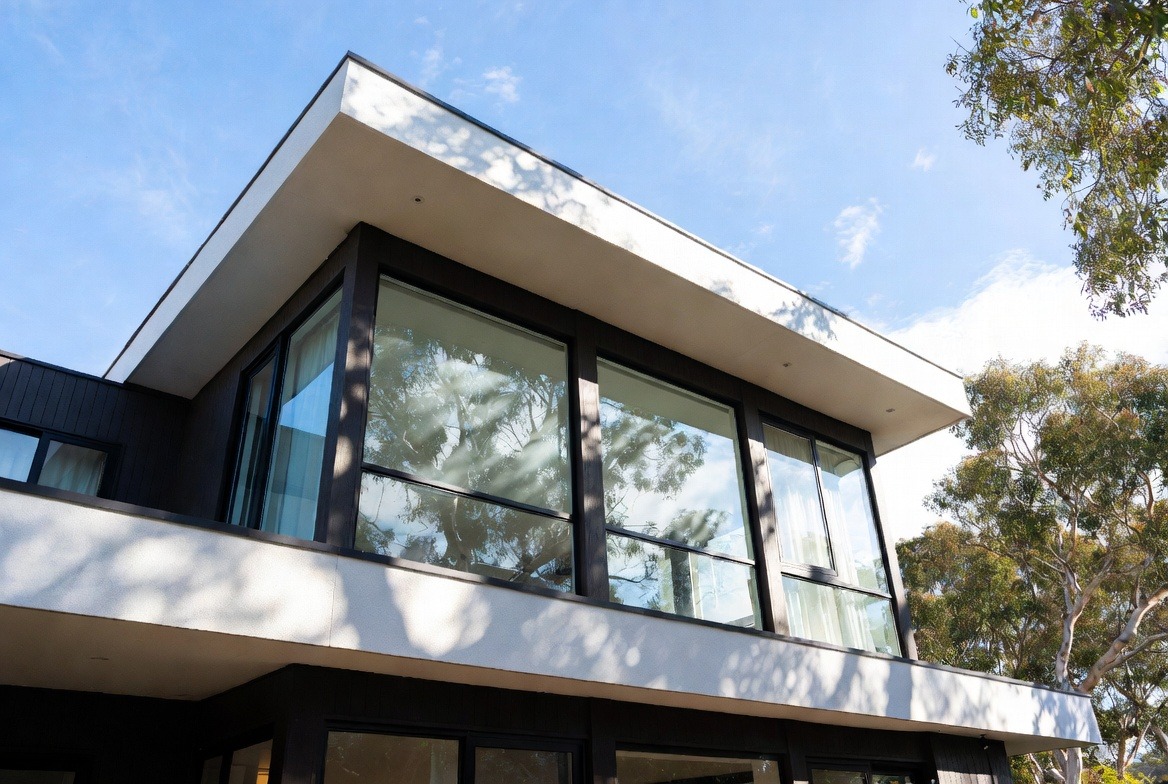
If you are searching for window films in Toronto or the GTA, you are probably trying to fix one of a few common problems. Maybe your condo gets too hot every afternoon. Maybe your storefront has glare on the glass. Maybe your office feels bright in all the wrong ways. Or maybe you just want to know if interior or exterior window films make more sense before you spend money.
That is the real question behind most window film jobs in the GTA. People ask about brands like Tintly, 3M, and Llumar, but the bigger issue is usually this: which window films work best on your type of glass, in your type of building, and in Toronto weather?
This article breaks that down in a simple way. We are comparing Tintly Window Films, 3M, and Llumar, while also looking at whether window film should go on the inside or outside. We will also touch on comfort, glare, film lifespan, and what usually works better for homes, condos, offices, and street-level shops.
If you are new to window films, start with the basics first. You can also read more about window films in general before choosing a brand or install method. That helps people avoid picking a dark film just because it “looks stronger.” That happens a lot, and ya, it can be the wrong move.
In Toronto and the GTA, the right film choice is tied to the sun, the season, the glass type, and the use of the room. A west-facing condo near Harbourfront deals with a different problem than a North York home or a retail unit in Scarborough. Same product category, very different job.
Tintly Window Films
Tintly Window Films works across Toronto, Mississauga, Vaughan, Markham, Richmond Hill, Brampton, Oakville, and other parts of the GTA. That local experience matters because window films are not one-size-fits-all. What works in a downtown condo tower may not be the best answer for a detached home in East York or a storefront near Queen Street.
At Tintly, the focus is usually on the problem first. Too much solar heat. Too much glare. Furniture fading. Lack of privacy. Or concern about glass breakage at a vulnerable entrance. The film gets chosen after that, not before.
Why many GTA jobs use interior window films
Interior window films are still the most common choice for homes, condos, and office spaces in the GTA. They stay protected from rain, snow, slush, and the rough outdoor wear that comes with Canadian weather. That often means longer service life and less upkeep.
- Good for many homes and condo units
- Usually lasts longer than exterior film
- Less exposed to weather and dirt
- Often lower maintenance
This is why interior film is often the first option looked at for residential jobs in places like Vaughan, Markham, and Etobicoke. It can reduce glare and heat while keeping the install more protected. For a lot of properties, that is enough.
But not every window should get interior film. Some older sealed units and some glass types can hold too much heat if the wrong product is used. That is one of the reasons film choice and install side matter so much. It is not just about the brand name on the sample card.
Where exterior window films fit better
Exterior window films are more common on older glass, some storefronts, and windows with heavy sun exposure. They can block solar heat earlier, before more of that energy moves through the glass. In some cases, that makes them the safer or better-performing option.
- Useful on some older glazing systems
- Can help on very sunny windows
- Often used on street-facing shops and commercial glass
- May reduce stress on certain types of glass
The downside is pretty simple. Exterior film faces sun, rain, ice, grime, and freeze-thaw cycles. In Toronto, that can shorten film life. So the choice has to match the job. Better heat control does not always mean longer life. Thats the trade.
Solar Gard film in the Tintly mix
Tintly may also use film by Solar Gard, a US-based company, when the job calls for it. Solar Gard products are often used for solar control, glare reduction, and comfort-focused installs. That can make sense for condo towers with strong afternoon sun or offices with large glazed areas.
For example, a west-facing suite in CityPlace might need a film that reduces heat without making the unit too dark. A boutique storefront in downtown Toronto may need a cleaner look from the street while still cutting glare for staff inside. In cases like that, brand matters less than fit. If Solar Gard is the better fit, that is what gets used.
If heat is the main issue, it also helps to read more about solar window film and heat control film. A lot of people still think darker film always means better heat rejection. That is not always true, not even close.
For broader public info on building energy use in Canada, Natural Resources Canada is a solid non-competitor source.
3M Window Films
3M is one of the best-known names in window films. A lot of buyers ask for it first because they know the brand from other industries. That familiarity helps, and 3M has a strong product reputation for a reason.
Many 3M installs in the GTA go on the interior side of the glass. For a lot of homes and offices, that is a good and practical choice. Interior film often lasts longer and stays cleaner. It also works well in many standard residential settings.
What people usually like about 3M
- Well-known brand
- Good product range
- Trusted by many property owners
- Often paired with approved dealer support
Still, a strong brand does not always mean a custom answer. Some installers lead with the same type of recommendation on many buildings. That can work fine, but in places with strong west exposure or older glazing, the standard answer may not be the best one.
We have seen condo owners near Liberty Village and the waterfront get sold on interior film right away, even when the window conditions needed more review. That does not mean the film was bad. It means the planning step may have been too fast.
For technical building guidance about heat gain and comfort, ASHRAE is a useful outside source.
Llumar Window Films
Llumar is another widely recognized name in the film market. It often comes up in both home and commercial jobs because it offers strong performance across a range of film types. Many people see it as a good balance of performance and value.
Why Llumar gets picked
- Strong solar control options
- Clear appearance in many product lines
- Works in both residential and commercial settings
- Good value in many installs
Like 3M, most Llumar installs in the GTA end up on the interior side of the glass. That suits many modern windows. But it still comes back to the same point: the film must match the building and the glass. A good product on the wrong side can still underperform.
One example involved a small retail space near Yorkdale. The owner had interior film installed before calling for another opinion. The glare improved, but the heat near the front windows stayed rough in the afternoon. After reviewing the glass and exposure, the better fix was a different film strategy. The issue was not that the first brand was “bad.” The issue was the setup.
Interior vs Exterior Window Films in Toronto Weather
This is where people usually want a straight answer. Which works better in Toronto and the GTA?
The honest answer is that both can work well. The best choice depends on the window system, the sun exposure, the age of the building, and what problem you are trying to solve.
Interior window films
Interior films are often the better fit when:
- The windows are newer or modern double-pane units
- The space is a home, condo, or office
- You want longer service life
- The main goals are glare control, comfort, and light solar control
Main benefit: the film stays protected from harsh outdoor conditions.
Main risk: the wrong film on the wrong glass can create extra thermal stress.
Exterior window films
Exterior films are often the better fit when:
- The windows get very strong direct sun
- The glass system is older
- The building is a storefront or older commercial site
- You need more solar heat blocked before it moves through the glass
Main benefit: better front-line solar control in some situations.
Main downside: faster wear because Toronto weather is hard on exposed film.
For a lot of GTA properties, the real answer comes from a site check. A quick guess from a product brochure is just not enough. That sounds basic, but its true.
Two Local Examples That Show the Difference
Example 1: Condo in Harbourfront
A condo owner near Harbourfront had a bright unit with a large west-facing window wall. By early afternoon, the living area felt too hot to enjoy. The owner first asked for a darker film. After reviewing the space, it was clear the issue was solar load, not just brightness. Once the film choice was based on heat performance and glass type, the room felt more usable in the afternoon. Small change in approach, better result.
Example 2: Retail shop in Scarborough
A shop owner in Scarborough had fading products near the front display and constant glare at the counter. They thought blackout film might be the only option, but that would have changed the storefront too much. A more balanced film choice helped reduce glare and heat while keeping the shop visible from outside. That was a better fit for retail use, and the owner was way happier with how the glass looked.
What Property Owners Should Ask Before Choosing Window Films
It helps to ask a few simple questions before picking a film brand or install side:
- What kind of glass do I have?
- Which direction does the window face?
- Is the main problem heat, glare, fading, privacy, or safety?
- Is this for a home, office, condo, or retail space?
- Do I want the longest lifespan, or the strongest sun control?
These questions sound simple, but they stop a lot of bad choices. They also help explain why some people compare film with bigger changes like replacement windows. In many cases, that is a much larger cost than needed.
Why Local GTA Experience Still Matters
Toronto and the GTA are not one single type of market. Condo towers in the core, detached homes in Markham, older storefronts in Scarborough, and office units in Mississauga all create different film needs. Seasonal weather also changes what people complain about. In summer, it is heat and glare. In winter, it is cold spots near glass and comfort issues around large windows.
That is why local experience matters more than many people think. A provider who has seen repeat patterns in GTA buildings can usually spot the problem faster. That does not make every answer easy, but it makes the recommendation more grounded in real jobs, not just catalog talk.
Final Thoughts on Tintly, 3M, and Llumar
If you are comparing window films for a Toronto or GTA property, the main lesson is simple. The brand matters, but the film match and install side matter just as much, maybe more.
Tintly brings local job knowledge and flexible product selection, including Solar Gard when it suits the project. 3M brings strong name recognition and trusted products. Llumar brings solid performance and value. All of them can work. None of them fix the wrong install plan.
The best result usually comes from matching the film to the glass, the sun, and the real problem in the room. That is what gets better comfort, less glare, and a space that feels more usable day to day.
Get Help with Window Films in Toronto and the GTA
If you are trying to choose between interior and exterior window films for your home or business, start with the actual window, not just the sample card.
Tintly Window Films works across Toronto and the GTA and can help review:
- Interior vs exterior installation
- Heat and glare problems
- Film options for homes, condos, offices, and storefronts
- Whether film makes more sense than a larger glass upgrade
Sometimes the answer is pretty simple. Sometimes it takes a closer look. Either way, the right call starts with the glass in front of you, not with guesswork.
Leave a Reply