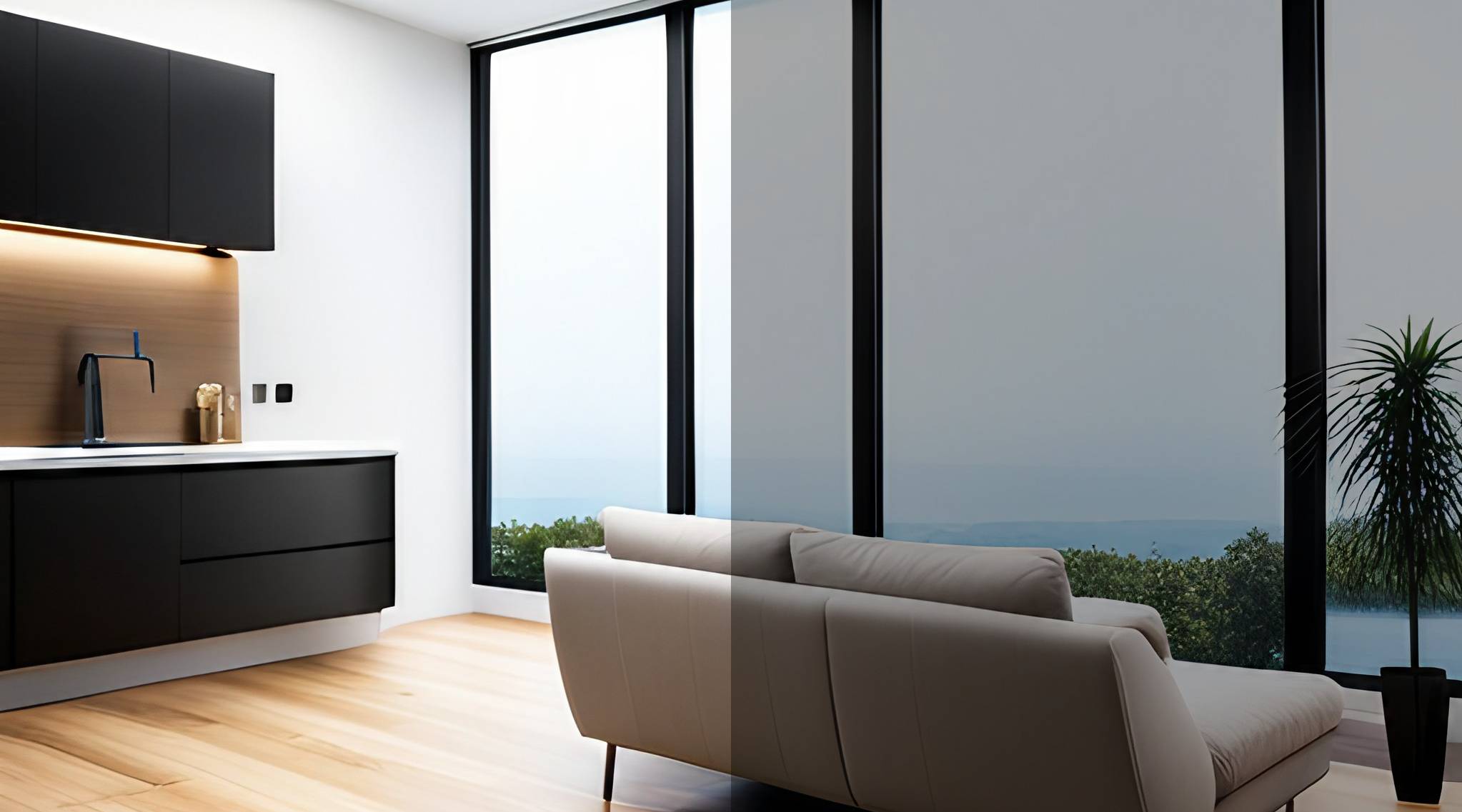
If you are searching for window films in Toronto and the GTA, you are probably asking one simple thing first: how long do window films last? That question matters for homeowners, store owners, office managers, and landlords. People want comfort, lower glare, better privacy, and real value. They also want to know if window films will still perform after years of Toronto sun, winter cold, and daily wear. The short answer is this: most window films last about 10 to 20 years, but the real life span depends on the film, the glass, the install, and the building.
That is why this guide focuses on the things that actually change performance. It explains what window films are, what makes them last longer, what causes them to fail early, and when it makes sense to replace them. It also uses plain language, because most people are not trying to read like an engineer at 10 p.m. on their phone. They just want a straight answer that helps.
At Tintly Window Films®, we work with homes and businesses across Toronto, North York, Vaughan, Markham, Mississauga, Brampton, Oakville, and nearby areas. We have seen good film last for years on the right glass. We have also seen cheap film fail fast after a rushed install. So let’s keep this simple and useful.
What Are Window Films and Why Do So Many Toronto Property Owners Use Them?
Window films are thin layers placed on glass to improve how the window performs. Some window films reduce heat and glare. Some add privacy. Some improve safety and security. Some are decorative. The goal is not always the same, so the right film depends on the problem you want to fix.
In Toronto and the GTA, people often choose window films for a few common reasons:
- Rooms feel too hot in summer
- Sun glare makes screens hard to see
- Furniture and flooring fade from UV exposure
- Front windows need more privacy
- Glass needs extra protection against breakage
That is why window films show up in so many types of buildings. A detached home in Richmond Hill may use solar film to cut afternoon heat. A clinic in Scarborough may use frosted film for privacy. A retail store in downtown Toronto may use security film to help hold glass together during impact. Same product family, very diffrent job.
Many people also ask if window films are the same as tinted windows. Sort of, but not exactly. Tint is often used as a general term, while window film can include clear, frosted, reflective, solar, decorative, and safety products. If you want the broader explanation, this guide on what is window film explains the basics in more detail.
Window films are popular because they let property owners improve existing glass without replacing the whole window. That can save money and reduce waste. It also makes film a practical option when the frame and glass are still in good shape, but the room feels uncomfortable or too exposed.
There is also a local reason this matters. Toronto weather is not gentle on glass. We get humid summers, cold winters, bright sun on clear days, and constant seasonal swings. Those conditions affect comfort inside buildings. Window films help manage some of that stress by improving the way sunlight and heat move through the glass.
A real example: a homeowner near High Park had a west-facing living room that got blasted every summer evening. The couch area was too bright, and the room felt hotter than the rest of the house. After installing solar window films, the glare dropped and the room felt more even. Not magic, just better glass performance. That is what most people want.
How Long Do Window Films Usually Last on Homes and Commercial Buildings?
Most professionally installed window films last about 10 to 20 years. Some can last longer, especially thicker security products and well-made films installed on good glass. Still, there is no one number that fits every property.
Here is a simple range that works for many buildings:
- Solar and heat control window films: about 12 to 18 years
- Privacy and reflective window films: about 10 to 15 years
- Decorative and frosted window films: about 10 to 15 years
- Safety and security window films: about 15 to 20 years or more
These numbers are not random. They change based on exposure and use. A shaded office window in downtown Toronto may age slower than a front window in Vaughan that gets direct sun every afternoon. A condo near the lake may deal with diffrent light and temperature patterns than a storefront in Brampton. That is why the same film can have a very diffrent life span on two buildings only a short drive apart.
One of the biggest reasons film life changes is sun exposure. South-facing and west-facing windows usually take the hardest hit. More sunlight means more heat and more UV, and that puts more stress on the film and the adhesive. Lower-quality films often show this sooner with fading, haze, bubbling, or peeling.
Product quality matters a lot too. Better window films use stronger adhesives and more stable layers. Cheap films can look okay at first, then start breaking down after only a few years. That is why price alone can be misleading. A low-cost install may end up costing more if the film fails early and has to be removed and redone.
Natural Resources Canada explains that glazing and solar gain affect indoor comfort and energy use in Canadian buildings. That helps explain why window films perform diffrently based on exposure and glass conditions. Natural Resources Canada
Here is a local case study. A small office near Yonge and Sheppard had old solar film on a boardroom window wall. The film stayed in decent shape for about 15 years. It was not perfect at the end, but it still held up far longer than many DIY jobs we see. Why? The glass was in good shape, the film was decent quality, and the install had been done carefully. On the other side of the GTA, a bargain film on a Brampton sunroom started lifting at the edges in under four years. The install was rushed, and the glass took heavy direct sun all day.
What Causes Window Films to Last Longer or Fail Sooner?
There are a few big factors that decide whether window films age well or age badly. The first is the condition of the glass. If the window already has seal failure, trapped moisture, surface scratches, or other damage, the film may not bond properly. Older homes in East York, The Beaches, and parts of Etobicoke often need that checked first.
The second factor is install quality. This part gets missed all the time. Even good film can fail early if the glass is not cleaned well, if dust gets trapped under the film, or if the edges are cut badly. A skilled installer does more than stick film on a pane. They prep the surface, check the glass, place the film cleanly, and finish the edges with care.
The third factor is daily use and maintenance. Window films do not need special treatment every day, but they do need basic care. Rough pads, strong chemicals, and razor blades can damage the surface. A soft cloth and an ammonia-free cleaner work much better. Our article on window film maintenance covers the basic cleaning steps that help extend film life.
The fourth factor is the job the film is trying to do. A decorative film on an inside office partition may last very well because it is not facing harsh sun every day. A heat control film on a large south-facing family room window has a much harder life. A security film on a storefront also deals with more daily contact, cleaning, and risk.
Toronto seasons add another layer. Winter cold contracts the glass. Summer heat expands it. Those shifts repeat year after year. Better films are built to handle that movement. Cheap films often show edge lift and adhesive stress sooner. ENERGY STAR also points out that windows are a major part of heat gain and comfort in buildings, which is why failing film can be felt in a room even before it looks bad. ENERGY STAR
Another local example: a retail shop in Mississauga near Square One had strong glare and fading on front display items. The owner replaced older film with a better heat control product and followed the care steps after install. Years later, the film still looked clean and the space felt less harsh in the afternoon. Across from that unit, another shop picked the cheapest option it could find. That film showed lower-corner bubbling far sooner. Same plaza, same sun, but a very diffrent result.
How Do You Know When It Is Time to Replace Window Films?
Most failing window films show signs before they fully stop working. Bubbling is one of the most obvious signs. Small water pockets can be normal during curing right after install, but bubbles that appear later often mean the adhesive is breaking down. Once that happens, the problem usually spreads.
Peeling edges are another warning sign. This may start at one corner and move along the side. It often happens from age, heat stress, poor trimming, or weak bonding. It is common on older films in sunny rooms and on windows that get cleaned hard and often.
Discolouration is a big clue too. If the film turns purple, yellow, or cloudy, it often means the layers are degrading. Older dyed films are known for this. When the look changes, the performance usually drops too.
Some signs are less easy to see but still matter. Maybe the room feels hotter again. Maybe glare is back on your computer screen. Maybe flooring near the glass is getting more sun than before. These are all signs that the film may not be working the same way it did when it was newer.
Scratches and physical damage matter a lot on security products. If the film is cut, worn, or damaged, it may not help as much during impact. That is one reason property owners with older storefront security films should have them checked once wear starts to show.
Many people then ask the next question: should I replace the film or replace the whole window? If the glass unit is still healthy, replacing the film is often the simpler and less costly fix. If the insulated glass has failed, moisture is inside the pane, or the frame is damaged, then full replacement may make more sense.
For Toronto and GTA properties, a good rule is this: if your window films are over 10 years old, or if you can see bubbles, peeling, haze, or reduced comfort, get them inspected. A short site visit can save money and help you decide what actually needs to be done. No guesswork, just a proper answer.
If you want help choosing, checking, or replacing window films for your home or business, Tintly Window Films® can help with a free quote and a straight recommendation.
Call Tintly Window Films®
📞 647-847-6365
📧 info@tintly.ca
Leave a Reply