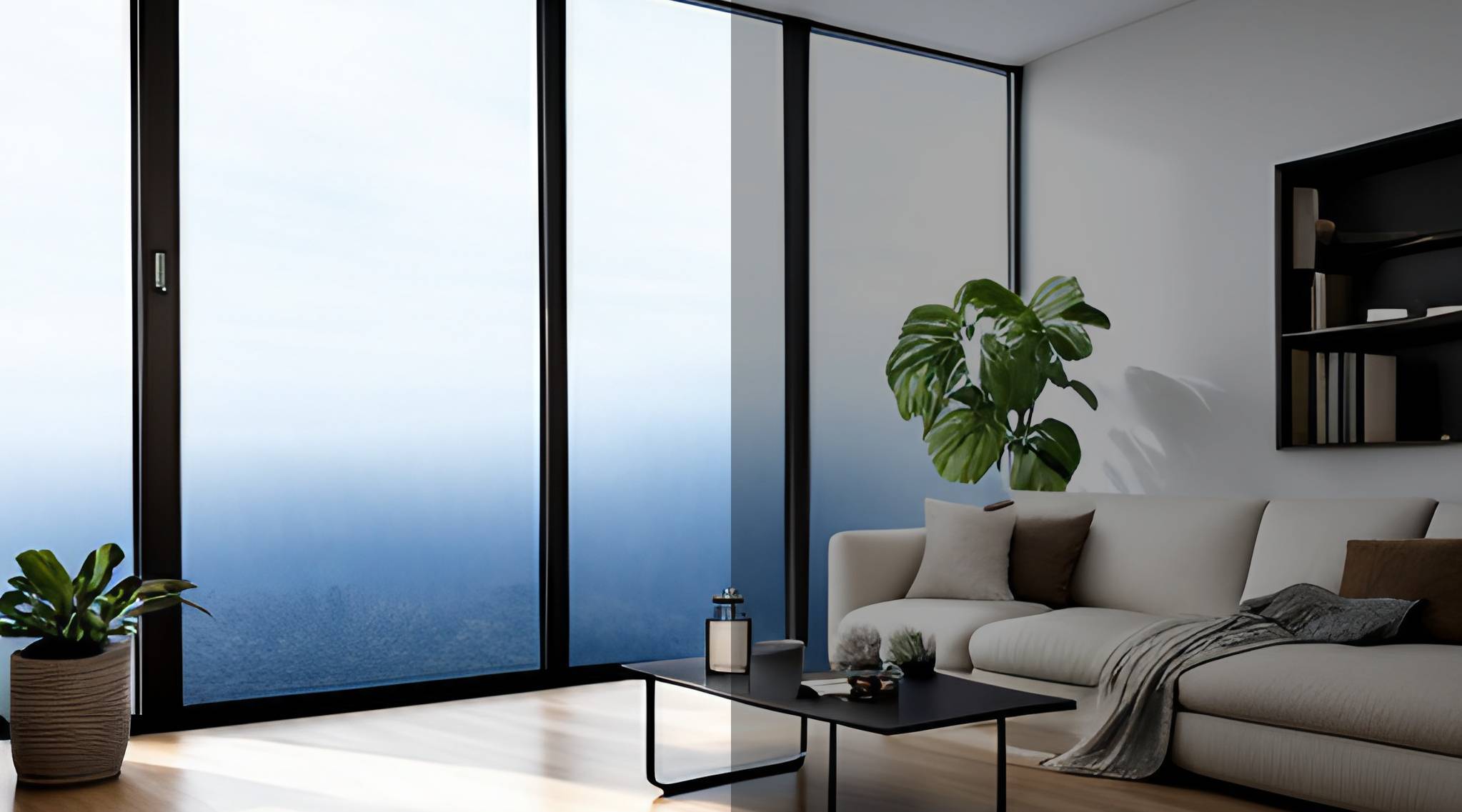
If you are shopping for window films in Toronto or the GTA, you are probably trying to fix one clear problem. Maybe your condo gets blasted by late sun. Maybe your office boardroom feels too exposed. Maybe your storefront glass looks plain and does nothing for your brand. Good window films can help with glare, privacy, heat, design, and branding. Bad choices can waste money fast. That is why this guide starts with the mistakes, not the sales pitch.
Window films are used across Toronto and the GTA in condos, clinics, offices, gyms, salons, restaurants, and retail plazas. The trouble is, many people buy them the wrong way. They choose by shade, by price, or by one simple promise like “more privacy.” Then the room still feels bright, the glass still feels hot, or the branding looks cheap. That is where buyers get stuck.
A smarter buy starts with one basic idea: the best window film is the one that matches the glass, the room, and the problem you want to solve. In Toronto, that can change block by block. West-facing condos in Liberty Village get rough afternoon glare. North York clinics often need privacy without making treatment rooms feel boxed in. Shops in Mississauga want logo film that looks clean from the parking lot, not just from inside the door. Same city region, very diffrent use cases.
If you want broader background on energy upgrades and glass performance, Natural Resources Canada has helpful plain-language resources for Canadian property owners. The City of Toronto also shares public information on buildings, energy use, and climate planning, which helps explain why more owners now pay attention to comfort and glass performance instead of only looks.
Below are seven mistakes people still make when buying window films, plus simple ways to avoid them.
1. Picking window films for the look instead of the real job
This is the mistake that starts most others.
A buyer says, “I want darker glass,” or “I want that frosted look.” That sounds fine, but it skips the real question. What is the glass supposed to do every day? If you do not answer that first, the film choice can drift in the wrong direction.
Some common goals are:
- cut glare on TVs, laptops, or office screens
- reduce heat in a sunny room
- add privacy to bathrooms, clinics, or meeting rooms
- put branding on a storefront entrance
- make plain glass look cleaner or more modern
Those jobs do not all need the same product. Decorative film is not the same as heat-control film. Logo film is not the same as privacy film. A vinyl graphic can help branding, but it will not cool a room. A darker-looking film may reduce brightness, but it may not give the privacy level you thought you were buying.
A common Toronto example is the downtown condo owner who asks for the darkest film possible because the living room feels rough at 5 p.m. The real problem is usually a mix of glare and heat on a west-facing unit. Sometimes the better answer is not the darkest film. It is the film that works best with that glass and exposure. That feels less exciting in the quote stage, but it works better later.
So before you ask for a colour or finish, ask this instead: what is bothering me right now? That question sounds small, but it changes the whole buying process.
2. Not checking the glass type before saying yes
Not every film belongs on every window. That sounds obvious, but buyers skip it all the time.
Across Toronto and the GTA, glass can vary alot. Older homes may have mixed windows from past renos. Newer condos often have sealed units with their own specs. Offices may have interior partitions that need only privacy and design, not solar control. Storefront doors have heavy daily traffic and need materials that suit that use.
If no one checks the glass type, the quote is partly a guess.
This part matters because some window films absorb more heat than others. Some are better for decorative use. Some are meant for solar control. Some are best for branding or privacy. A double-pane unit, a tempered door panel, and a boardroom partition are not the same thing, even if they all just look like “glass” at first glance.
Good installers usually ask questions like:
- What type of glass is this?
- Is the main goal glare, privacy, branding, or heat reduction?
- How much sun hits this area in the morning or afternoon?
- Is this an interior glass wall, an exterior window, or a high-traffic entry door?
If that conversation never happens, slow down. A fast quote may feel easy, but easy is not always smart. This is one place where a careful local installer earns their keep.
3. Going for the cheapest quote and forgetting the install quality
Cheap film plus weak installation can turn into a redo. That is where the “deal” stops feeling like a deal.
When install quality is poor, the problems are easy to spot. You see trapped dirt, uneven trimming, a hazy look, crooked graphics, edge lift, or bubbles that should not be there. On a storefront or a boardroom wall, those flaws stand out fast. People notice them even if they do not know why the glass looks off.
One common case is a small retail shop in Vaughan that wants logo film on the front door and privacy film near the back. They choose the lowest quote because the job seems simple. After install, the logo sits too high, the business hours are tiny, and the edge cuts look rough near the handle. Now the entrance does not support the brand. It makes it feel rushed. The owner pays again to fix what should have been done once.
Good window films still need good prep. The glass has to be cleaned right. The cuts need to be neat. The layout has to suit the door or panel. With branding film, spacing matters. With decorative film, pattern alignment matters. With privacy film, the height and coverage matter. Those details are not “extra.” They are the job.
A better quote should explain:
- what product is being used
- what the finish will look like
- how long the work takes
- how to clean the film after
- what the warranty covers and what it does not
If the quote is just a number and almost no explanation, ask more questions. That saves headaches later. Or at least it should.
4. Using the same window film everywhere in the building
This one sneaks up on people. They find one film they like and want it on every glass surface in the space. It feels tidy. In real life, it often looks wrong.
Different areas do different jobs. A bathroom may need full privacy all day. A front entry may need branding first. A boardroom may need soft privacy while still letting light pass through. A sunny office corner may need glare control more than privacy. A clinic room may need a calm look without making patients feel closed in.
That means one property may need more than one film type. That is normal. It is not overcomplicating the job. It is just matching the right tool to the right spot.
A typical Toronto office might use:
- frosted or patterned film on the boardroom wall
- logo film with business hours on the front door
- a simple privacy band on interior partitions
- solar or glare-reducing film on a bright south-facing office
That mix usually works better than forcing one product everywhere. It also makes the whole place feel more proffesional. Not fancy. Just well planned.
Another example is a North York clinic. Reception glass needs branding. Treatment rooms need privacy. Hallway glass may need a softer design detail. If one single film is used on all three, the result can feel awkward. One zone still feels exposed. Another gets too dark. Another looks plain. That is not a product failure. It is a planning failure.
5. Believing “one-way privacy” works the same at night
A lot of buyers hear “one-way privacy” and think it means nobody can see in, ever. That is not really how reflective privacy works.
Reflective film depends on lighting conditions. If it is brighter outside during the day, you may get the privacy effect you expect. At night, when inside lights are on and it is darker outside, that effect can weaken or flip. People outside may be able to see in more than you expected. That is where many buyers feel burned.
This matters a lot for:
- ground-floor condos
- street-facing offices
- salons and clinics
- retail spaces with evening hours
- front doors close to busy sidewalks
A very common GTA mistake is the shop owner who wants a reflective front window for daytime privacy. It looks good on a bright afternoon. Then winter comes, sunset hits early, the interior lights go on, and the privacy no longer feels the same. That is not a scam. It is just how light works.
If you need privacy at all times, decorative or frosted window films are often more predictable. They may not give the mirrored look some buyers first imagine, but they usually give a steadier result. In film work, steady can be better than flashy.
6. Forgetting that local sun, seasons, and room use affect performance
Toronto weather and light patterns change how window films feel in real use. This gets missed when buyers only look at a small sample indoors.
Summer sun can make a west-facing condo feel harsh in late afternoon. Winter light can still create screen glare in offices because the sun angle changes. Storefront glass can feel hot in July and oddly bright in January. The room use matters too. A yoga studio, a clinic, a condo living room, and a restaurant all experience glass differently.
That is why local knowledge helps. A team working around Toronto, Etobicoke, Mississauga, Scarborough, Markham, or Richmond Hill sees the same patterns over and over. They know which areas often struggle with glare, where privacy matters most, and how certain rooms are actually used in daily life.
Window films are not magic. They are problem-solving tools. The more clearly the problem is defined, the better the result tends to be. If the room is mostly about screen glare, say that. If the issue is a hot waiting room after lunch, say that. If the goal is making a glass office feel private but still bright, say that too. Buyers somtimes stay too general and end up with a film that is only half-right.
Good recommendations usually sound specific. They mention the direction of sun, the type of room, the time of day the problem happens, and how people move through the space. That kind of detail leads to better film choices.
7. Hiring an installer who does not really understand Toronto and the GTA
Local experience still matters, maybe more than some buyers think.
An installer who works across Toronto and the GTA sees real patterns in condos, storefronts, office towers, clinics, and older homes. They know downtown condos may have strong late sun and building rules. They know suburban plazas need branding that reads clearly from the lot. They know office glass has to feel clean and modern, not blocked off. They know many buyers want privacy without making the space feel dark.
That local context helps with both the recommendation and the layout. It also helps set honest expectations. Honest expectations are boring in the sales stage, but pretty useful after the job is done.
A local team should be able to talk about:
- condo glare in Liberty Village, CityPlace, or Humber Bay
- street-facing privacy in older Toronto neighbourhoods
- storefront branding in Mississauga and Vaughan plazas
- office privacy film for boardrooms and reception areas
- seasonal comfort issues that come up before summer hits hard
If the advice sounds generic, it probably is. Good local advice usually feels more grounded. It mentions real use cases and gives straight answers, not just product names.
Final thoughts
The smartest way to buy window films is not complicated. Start with the actual problem. Check the glass. Match the product to the room. Do not assume one film works everywhere. Do not chase the lowest quote if the install details feel weak. And choose an installer who gets how Toronto and GTA spaces really work.
That approach helps homeowners, business owners, and property managers spend money once instead of twice. It also helps the final result feel right from day one. Less glare where you need less glare. More privacy where you need privacy. Better branding where branding matters. Simpler than people think, but not always easy.
If a quote feels too rushed, ask more questions. That one extra step saves a lot of trouble later. Not every time maybe, but alot of the time.
Frequently Asked Questions
What are window films used for?
Window films are used for privacy, glare reduction, heat control, decoration, branding, and other glass upgrades. The right film depends on the real issue you want to fix.
Do window films make a room darker?
Some do and some dont. Decorative and frosted films may change the light without making the room feel very dark. Solar films can reduce brightness more.
Can one type of window film work on every window?
Usually no. Different rooms and glass types often need different film solutions for the best result.
Are window films worth it for Toronto condos?
They can be, yes. Many Toronto condos deal with glare, heat, and privacy issues. A well-matched film can help a lot.
What is the biggest mistake when buying window films?
The biggest mistake is choosing by looks or price before figuring out what the film really needs to do.
Leave a Reply