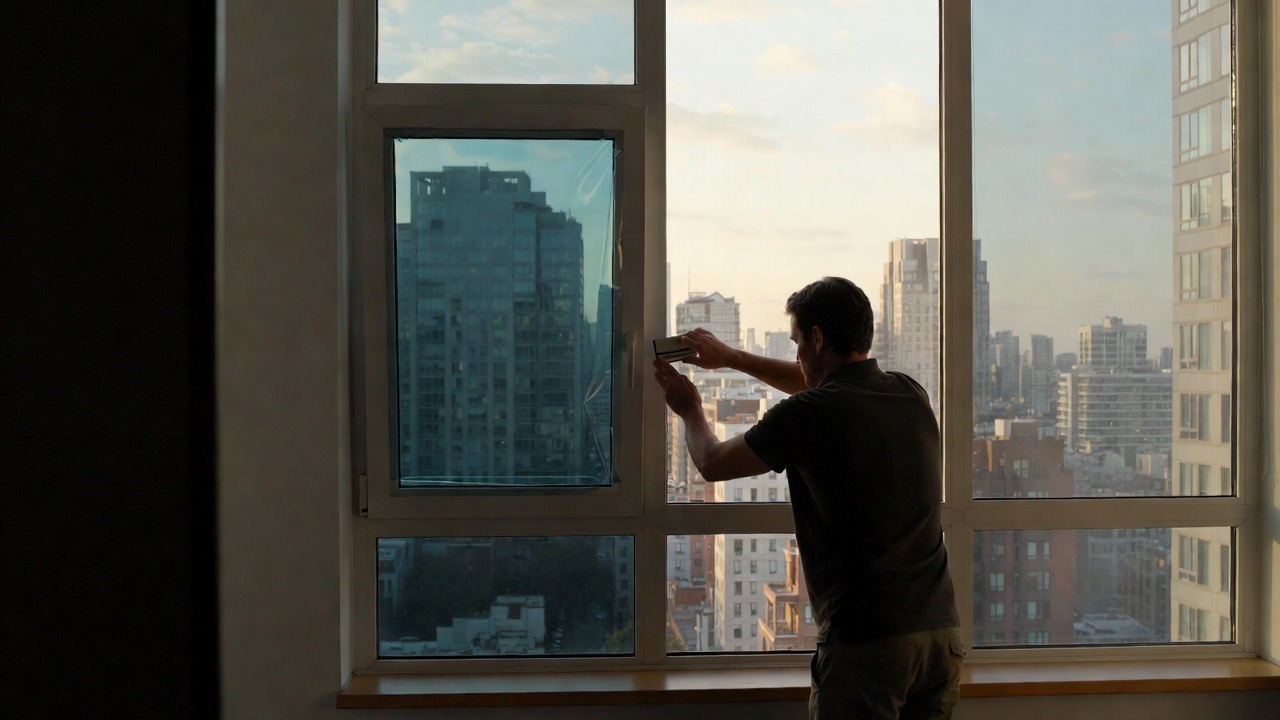
If you are searching for the best way to improve comfort, privacy, and curb appeal in a Toronto home, window films are often the first option worth looking at. Window films can help with glare, heat, UV exposure, plain-looking glass, and privacy, all without pulling out frames or opening up walls. Full window replacement can still be the right call, but only when the window unit itself is failing. For many homes across Toronto and the GTA, window films solve the real problem faster, with less mess, and with a much lower bill.
This is why the topic keeps coming up in places like East York, North York, High Park, Etobicoke, Scarborough, Vaughan, Markham, Richmond Hill, Mississauga, and Brampton. A lot of homes in the region have older layouts, strong west sun, drafty-feeling rooms, and glass that just does not do enough. Toronto also has a huge housing base. Statistics Canada shows that Toronto has a very large number of occupied private dwellings, which helps explain why homeowners keep asking the same thing: should I install window films, or should I replace the whole window?
The short answer is simple. If the frame is still sound, the sash still works, and the glass problem is mostly heat, glare, fading, privacy, or style, window films usually make more sense. If the frame is rotting, water is getting in, seals are badly gone, or the unit barely works, then replacement is usually the better fix. That is the whole comparison in plain English.
This article keeps the focus on real Toronto and GTA homes. It also follows the same core idea behind this related comparison on window films vs full window replacement, but with a fresh angle built around comfort, design, and day-to-day use in local properties.
Window Films
Window films make the most sense when the window still works, but the room does not feel right. That is a very common Toronto problem. A detached home near The Danforth may get blasted by low winter sun. A condo near Harbourfront may look sharp, but the west-facing glass can make the living room too bright by 4 p.m. A family home in Vaughan might need more front entry privacy. A basement suite in Mississauga may want light to come in, but not the whole street to see in.
That is where window films fit so well. Instead of replacing a full window unit, film upgrades the glass you already have. The glass can keep its basic job, but now it can also cut glare, reduce solar heat gain, soften visibility, and protect flooring and furniture from UV exposure. The U.S. Department of Energy explains that window films can reduce heat gain, lower glare, and help block ultraviolet light. That is not just theory. Those are the exact complaints homeowners across Toronto say on calls every week.
Window films also come in diffirent types, which is a big reason they are so useful. A solar film is better for glare and heat. A privacy film is better for front doors, side glass, and bathrooms. Decorative film adds style and privacy at the same time. Vinyl window film can add patterns, text, shapes, and a cleaner visual layout. Logo film is useful for home offices, clinics, studios, or mixed-use spaces where branding on glass matters.
That flexibility is hard to match with full replacement. New windows may solve a failed frame, but they do not automatically solve the need for frosted entry glass, branded office glass, or a cleaner look for a bathroom window. In many homes, window films do more than “fix” the window. They make the whole space work better.
Another reason people start with window films is speed. Most homeowners do not want a week of noise, dust, trim work, and scheduling headaches if the window frame is still fine. Film is lighter work. It is faster too. That matters in busy GTA households where kids, work, and daily life do not stop just because the dining room gets too hot in the afternoon.
There is also the visual side. Decorative window film can turn plain glass into something that feels finished. Frosted looks, soft patterns, and privacy bands can make a bathroom, front door, or office panel look much more polished. Vinyl window film can create privacy zones in a clean, modern way. Logo film can give a home office or small business corner a more pro look without major construction. That kind of upgrade is hard to ignore, and its one reason window films keep getting picked for Toronto homes and GTA mixed-use properties.
Full Window Replacement
Full window replacement is still the better answer in some cases. If the window unit is failing, window films are not the repair. Film can improve glass performance, but it cant repair rotten wood, broken hardware, or major seal failure. If moisture is trapped between panes, the frame is soft, the sash barely moves, or water gets in during a storm, you are not dealing with a film problem. You are dealing with a failed window.
This matters because a lot of people jump too fast to the biggest fix, while others hope the smaller fix can solve everything. Both mistakes cost money. Replacement is a bigger job, so it should be used when the problem is big enough to need it.
Think about an older Etobicoke house with a bedroom window that has cloudy double panes, soft trim near the sill, and a draft you can feel in January. That is not a good case for film first. The comfort issue is real, but the bigger issue is the failing unit. A new window may be the better move there, even if it costs more.
Replacement can also make sense during a major renovation. If a homeowner is already redoing siding, trim, or large parts of the exterior, then changing the full window assembly may fit the project. The home is already in disruption mode, so the jump to new windows feels more reasonable.
Still, even after replacement, some people find that they still need help with privacy, branding, or glare control. A new unit does not always stop afternoon glare on a screen. It does not always give a bathroom the privacy it needs. It does not automatically make plain entry glass look frosted or stylish. That is why this topic is not just about old windows versus new windows. It is about matching the right fix to the right problem.
Two Toronto and GTA Examples
Example 1: Riverdale semi-detached home. The homeowner had a west-facing dining room, a front door with clear sidelites, and a small home office near the street. The frames were in good shape. The problem was sun, visibility, and a lack of privacy. In that kind of case, window films are often the smarter move. A solar-focused film on the dining room glass helped with glare and afternoon heat. Decorative window film on the front entry glass added privacy without killing daylight. A simple vinyl window film treatment in the office area gave the space a cleaner look. No frame removal. No major mess. Just a more comfortable home.
Example 2: Mississauga detached home with failed bedroom windows. This one went the other way. The upstairs bedrooms felt cold in winter, and one window had visible moisture between panes. The homeowner first thought window films might fix it. But the real issue was seal failure and ageing frames. In a case like that, full replacement makes more sense. Once the new units are in, film can still be added later if glare, UV, or privacy becomes the next problem. But the first job there is the failed window itself.
These examples show why the comparison matters. People in Toronto and the GTA are not all dealing with the same glass problem. Some homes need a glass upgrade. Some need a full unit replacement. The cost gap between those two paths is large, so getting it wrong stings a bit.
Decorative Window Film, Vinyl Window Film, and Logo Film
This is one area where window films pull ahead very fast. Full replacement is mostly about the window unit. Window films can do more than one job at once.
Decorative window film works well for bathrooms, front doors, basement suites, interior partitions, and office glass. It lets light pass through while cutting visibility. That matters in tight Toronto streets where homes sit close together. It matters in condos too, where people want privacy but do not want a dark room.
Vinyl window film is useful when the glass needs layout, branding, or design. You can add coverage bands, patterns, shapes, text, and privacy sections. It is a smart choice for home offices, clinics, salons, and mixed-use spaces. It is also useful for homeowners who want plain glass to look less plain without replacing the whole thing.
Logo film is a strong fit for small businesses run from homes, side offices, studios, and professional spaces. A realtor in Markham, a designer in North York, or a therapist in Vaughan may want branded glass that looks neat and simple. That is not a job for new window units. That is a job for the right film.
These kinds of film upgrades also support how people live now. Homes are not just homes anymore. They are workspaces, rental spaces, clinic spaces, meeting spaces, and family spaces all at once. Window films fit that reality better because they are flexible.
How to Choose the Right Fix for Your Property
If you want a simple way to decide, use this checklist.
- Choose window films if the frame is still solid, the room gets too hot, glare is annoying, UV fading is a worry, or the glass needs more privacy or style.
- Choose window films if you want decorative window film, vinyl window film, logo film, or a cleaner finish for entry glass, bathroom glass, or office glass.
- Choose full replacement if the frame is damaged, the seals are gone, water gets in, or the unit no longer works like it should.
- Choose full replacement if you are already doing a large reno and want to replace the full assembly at the same time.
For most Toronto and GTA homes, this comes down to being honest about the weak point. Is the weak point the full unit, or is it mainly the glass? That one question clears up alot.
Window films are often the better first move because they solve real comfort and privacy problems without turning the house into a work zone. They are also useful for style, branding, and day-to-day living. Full replacement still matters, but it should be saved for windows that are truly failing, not windows that are simply under-performing.
If you are weighing both options for a home, office, condo, clinic, or mixed-use property in Toronto and the GTA, start by matching the fix to the actual problem. That is the part many people skip, and its the part that saves the most money.
Want a practical next step? Walk room by room and write down the real complaint for each window: glare, heat, fading, privacy, looks, or failure. Once you do that, the choice between window films and replacement gets alot easier. And if most of the complaints point to the glass, not the frame, window films will probably be the smarter path.
Leave a Reply