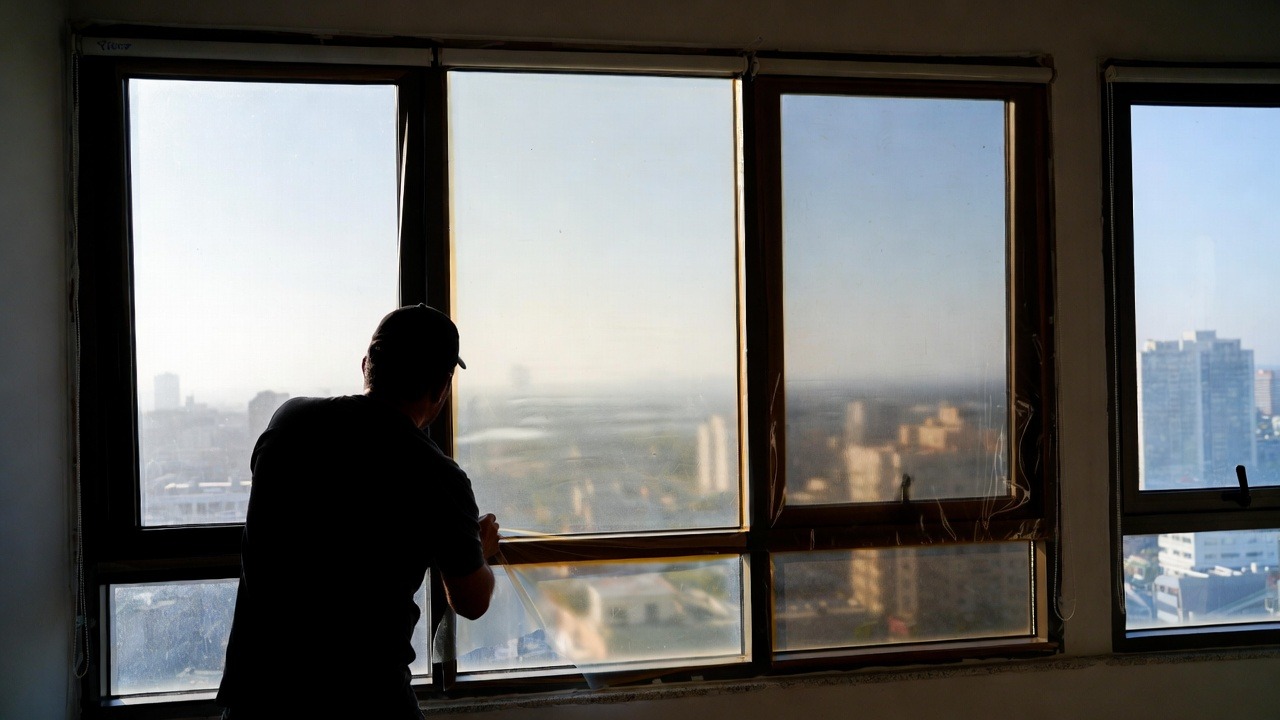
Home window tinting is an often-overlooked yet powerful tool in the realm of home improvement. For interior designers and homeowners alike, it offers a blend of aesthetic appeal and practical benefits. Whether you’re seeking to enhance privacy, boost energy efficiency, or simply add a touch of elegance to your living space, window tinting can be an ideal solution.

Home window tinting involves applying a thin film to the interior side of windows. This film can vary in opacity and color, offering different levels of privacy and light filtration. It’s a versatile option for anyone looking to improve both the functionality and appearance of their windows.
Types of Window Tinting Films
There are several types of window tinting films available, each with unique properties:
- Solar Control Films: These films are designed to reduce heat gain, making your home more energy-efficient. By blocking a significant amount of solar heat, they help maintain a comfortable indoor temperature.
- Privacy Films: Ideal for bathrooms or street-facing rooms, these films obscure the view into your home without sacrificing natural light.
- Decorative Films: Available in various patterns and colors, decorative films add a design element to your windows, enhancing the overall aesthetic of your home.
- Security Films: These thicker films reinforce glass, making it harder to break. They offer an added layer of security against break-ins or storms.
Benefits of Home Window Tinting

Energy Efficiency
One of the most significant benefits of home window tinting is improved energy efficiency. During hot summer months, tinted windows can block up to 78% of the sun’s heat, reducing the reliance on air conditioning and lowering energy bills. In the winter, they help retain heat, making your heating systems more effective.
Enhanced Privacy and Security
Window tinting also provides increased privacy. With the right film, you can prevent outsiders from peering into your home while still enjoying the view outside. Security films can also protect against shattering, adding an extra layer of safety for your family.
UV Protection
Harmful UV rays can cause furniture, flooring, and artwork to fade over time. Window films block up to 99% of these rays, preserving the color and integrity of your interior furnishings.
Glare Reduction
If you’ve ever struggled to watch television or work on a computer due to glare, window tinting can help. It reduces glare, making screens easier to see without straining your eyes.
How Professionals Install Home Window Tinting
Professionals follow a systematic approach to ensure a flawless installation. Here’s what you can expect:
Consultation and Assessment
A professional will start by assessing your needs and the specific requirements of your space. They’ll discuss your goals, whether it’s privacy, energy savings, or a combination of benefits, and recommend the best type of film for your home.
Precise Measurement and Cutting
After choosing the film, precise measurements of your windows are taken. The film is then cut to fit each window exactly, ensuring a seamless appearance.
Thorough Cleaning
Before applying the film, the windows must be thoroughly cleaned to prevent any dirt or debris from getting trapped under the film.
Application and Finishing
Once the windows are prepped, the film is applied. Professionals use special tools to ensure there are no bubbles or creases. The film is smoothed out for a perfect finish, and any excess is trimmed away.
DIY vs. Professional Installation

by william f. santos (https://unsplash.com/@youwwwill)
While DIY window tinting kits are available, they often lack the quality and durability of professionally installed films. Without proper tools and experience, you might end up with bubbles, creases, or peeling edges. Professionals ensure a flawless application that maximizes the film’s lifespan and benefits.
Choosing the Right Window Tinting for Your Home
Selecting the right window tinting involves considering several factors:
Climate and Location
Your local climate will influence your choice. In hotter areas, solar control films that reduce heat gain are beneficial. In contrast, colder climates might benefit more from films that focus on heat retention.
Aesthetic Preferences
Consider the overall look you want to achieve. Decorative films can add style, while neutral tints offer a minimalist appearance.
Budget
Window films vary in cost. It’s important to balance your budget with the desired benefits, remembering that higher-quality films often offer better performance and longevity.
Maintenance of Tinted Windows
Once installed, tinted windows require minimal maintenance. Regular cleaning with a soft cloth and mild detergent will keep them looking great. Avoid abrasive cleaners that can damage the film.
Conclusion
Home window tinting is a versatile solution that offers numerous benefits for both aesthetics and functionality. Whether you’re an interior designer looking to enhance a client’s space, or a homeowner aiming to improve comfort and efficiency, window tinting provides a cost-effective, stylish solution.
By investing in professional installation, you ensure the best results and longevity for your window films. Embrace the transformative power of home window tinting and enjoy a more comfortable, private, and beautiful living space.
Leave a Reply