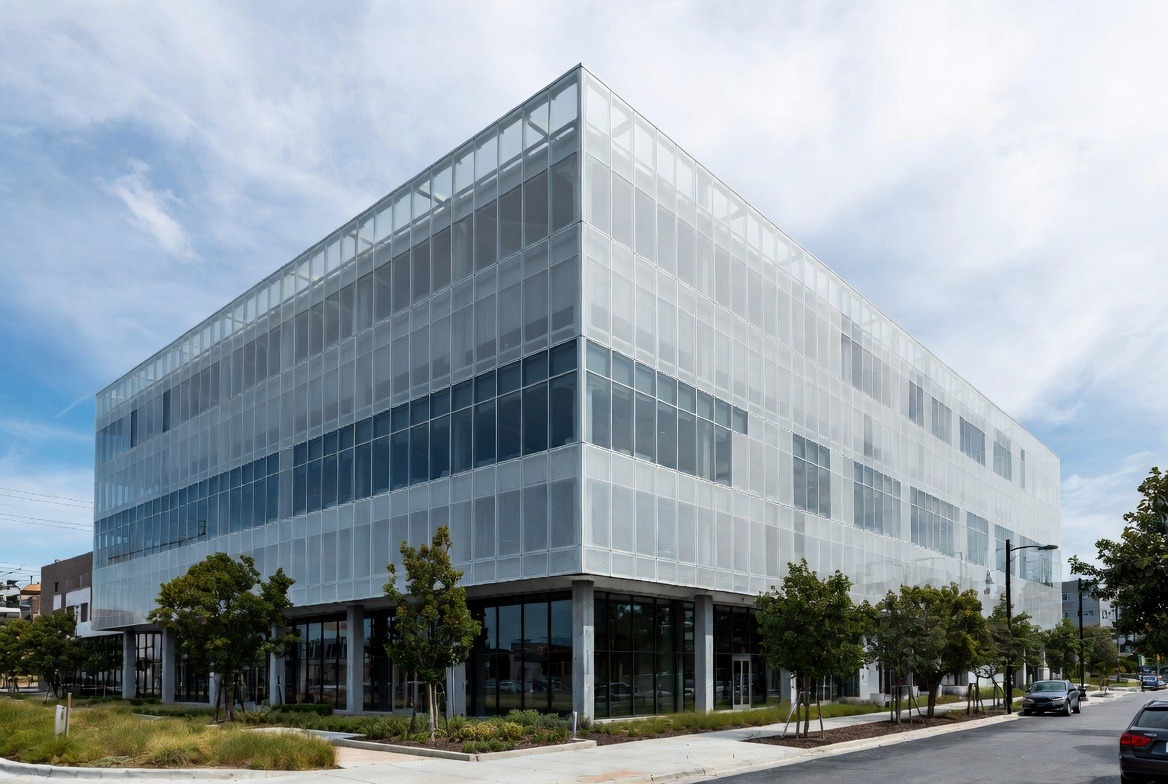
Window films are one of the fastest ways to change how a business looks and works. In Toronto and the GTA, many owners use window films to add privacy, improve branding, soften glare, and clean up the look of a storefront or office. But before you buy decorative patterns or print your logo on the glass, you need to know how Toronto treats those changes. Some window films are just a design upgrade. Other window films may be treated like signage, part of a renovation, or part of bird-friendly glazing rules. That part catches people off guard.
If you run a clinic in North York, a café in Leslieville, a salon in Vaughan, or an office in downtown Toronto, you dont want to pay for a film install and then hear that the layout needs to change. That is why the smart move is simple. Check the glass, check the use, then pick the film. Many owners start by browsing window films in general, then narrow the choice once they know whether the goal is privacy, style, branding, or code-related glazing treatment.
This article gives you the plain answer fast. In most cases, commercial window films are allowed in Toronto. The rules get tighter when the film acts like a sign, changes the outside look of the building, or sits on a project where newer glazing rules apply. That matters a lot for decorative window film, because it often sits right on the line between style and signage. A frosted band on a boardroom is one thing. A full printed retail window with your logo, phone number, promo text, and hours is a very diffent thing.
For local businesses, this is not just a paperwork issue. It affects cost, timing, and how the place feels from the street. On Queen West, King West, Danforth, Bloor West, Liberty Village, Scarborough plazas, and office parks in Markham or Richmond Hill, the right film can make a space feel sharper and more private. The wrong layout can make a place look dark, closed, or messy. That is why good planning matters, even for a job that seems small.
What Toronto usually checks when businesses install window films
Toronto does not treat all window films the same way. The City usually looks at what the film is doing. If the film is on interior glass and is there for privacy, the review is often simple. If the film is on the outside glass and includes a business name, logo, hours, product list, or sales message, the City may treat it like a sign. That shifts the job into a diffent category. So the first real question is not, “Can I install window films?” It is, “What job are these window films doing on this glass?”
That sounds basic, but it saves people from a lot of grief. A plain frost on a meeting room window inside an office near Union Station is not the same as a printed graphic across the front windows of a shop on Danforth. One is mostly interior privacy. The other may function as business identification or adveritsing. Toronto’s sign permit process matters here because once the film behaves like a window sign, you need to treat it like that from the start. Many owners miss that point because film feels lighter and less permanent than a big mounted sign, but the City may still look at the message on the glass, not just the material.
Toronto also has bird-friendly glazing rules under the Toronto Green Standard for some projects. This matters more near parks, ravines, tree-heavy streets, and some newer developments. In plain language, the City wants glass to be more visible to birds in situations where reflection and transparency can lead to collisions. Some patterned window films can help with that, but only if the spacing, contrast, and placement on the glass actually fit the guidance. A nice-looking pattern is not always enough. This is one reason a business should not just choose film from a sample book and hope it does every job.
There is also the street-level issue, which is not always a legal one, but it is still a very real business issue. Storefront glass has a job to do. It helps people see in, feel welcome, and understand the business in a few seconds. That is true in busy places like Yonge and Eglinton, Queen Street West, or a plaza in Brampton. If you cover too much glass, you may get privacy but lose visibility. If you print too much text, the front can look cluttered. Good window films should solve a problem without making the storefront feel shut down or confusing.
Winter and summer in Toronto also change how glass behaves. In winter, it gets dark early, and interior light can make privacy issues much more obvious from outside. In summer, west-facing storefronts in places like Liberty Village or Mississauga can get blasted with late-day glare. So when a business asks about window films, the answer should fit both the rule side and the daily-use side. That is why the early planning step is worth it, even if the job seems small and easy.
When decorative or branded window films need extra review in Toronto
The biggest trigger is signage. If your window films show your business name, logo, phone number, hours, QR code, menu items, or promo text, the film may be treated as a sign. This does not mean the design is not allowed. It means you should screen the sign angle before install day. That one check can stop a lot of wasted money. Owners sometimes think, “It is only film, I can peel it off later.” Sure, but peeling off a brand new job because nobody checked the rules is a lousy way to spend money.
Heritage context can also matter. A modern printed glass design may fit well in a newer plaza in Vaughan or a fresh office lobby in Markham. The same look may get more attention on an older storefront in Old Town Toronto or parts of downtown with heritage character. The issue is not that window films are bad. The issue is that the outside face of the building may be reviewed more closely. Business owners often find this out late, which is not ideal. By then the artwork is approved, the production slot is booked, and everyone is in a rush.
Another trigger is when the film is bundled into a larger renovation or fit-out. A simple film retrofit on existing glass is often one thing. A film package added to a larger commercial build-out with new glazing, façade changes, or permit-related work is another. On those jobs, the film is not living alone. It becomes part of a bigger approval picture. That is where timing gets messy if the film is treated like an afterthought.
Here is a real-world style example. A dental clinic near North York Centre wanted privacy on the lower half of its front glass. The first idea was full frost across the whole window wall. On paper it looked clean. On site it felt too closed, almost like the clinic was not open yet. The better fix was a mid-height frost band with clear upper glass and a small printed logo near the entry. The clinic kept privacy for seated patients, kept daylight, and still looked welcoming from the sidewalk. Same goal, better use of window films.
Another case came from a café in the west end that wanted printed film with menu text, hours, and seasonal drink promos before summer foot traffic picked up. The owner treated it like décor. The installer flagged it as a sign question. That short pause probably saved the owner a headache. The café trimmed the amount of text, cleaned up the layout, and checked the sign side before the install moved ahead. It was a small course correction, but a smart one. Stuff like this happens all the time, and it is why local experience matters more than people think.
One more point gets missed often. Decorative window films are not the same as safety or security films. Some owners want privacy, branding, and smash-and-grab resistance in one product. Sometimes that works, sometimes it doesnt. If the project also needs stronger glass retention or added safety performance, the right spec may be a diffent film type or a layered plan. Mixing all goals into one pretty pattern can go wrong fast.
How GTA businesses can choose the right window films and avoid costly mistakes
The easiest way to stay out of trouble is to write the goal in one sentence before anyone orders anything. Is the film for privacy, style, branding, glare control, bird-friendly glazing, or a mix of those? Once that is clear, the product choice gets much easier. People often do this backward. They pick a pattern first, then try to force that pattern to solve every problem. That is how jobs get weird.
Next, look at where the film is going. Is it interior glass or exterior glass? Is it street-facing or inside a private suite? Is the property in Toronto proper, or in a fast-growing GTA area like Vaughan, Markham, Mississauga, Richmond Hill, or Brampton? Is the glass near a park, ravine, or heavy tree cover? These details matter. Interior boardroom window films inside an office tower near Bay Street are not the same kind of project as a printed storefront film facing a busy sidewalk on Queen Street East.
After that, do a quick rule screen. If the film includes business text or graphics, check the sign angle. If the project is part of a newer development or a larger construction package, check the glazing angle. If the building sits in an older heritage area, check the exterior review angle. This does not need to be some giant process. It can be one short review with the installer, designer, property manager, or City info page. The point is to ask before the ladders show up.
Then build the layout around daily use. A law office may want stronger meeting-room privacy. A restaurant may want privacy lower down but open glass above so the place still feels alive. A salon may want a soft decorative pattern that hides clutter but still lets daylight in. A clinic may want a calm frosted look that feels clean and proffesional. Good window films should make the space easier to use, not just prettier in photos.
Cost also matters, of course. Many Toronto and GTA businesses like film because it is usually faster and less disruptive than full glass replacement. That can be a big deal if you are running a shop in Etobicoke, an office in downtown Toronto, or a wellness studio in Richmond Hill and you dont want to shut down for days. Film gives owners a way to update privacy and appearance without tearing the place apart. That is a big reason window films stay popular in commercial spaces year after year.
If you want the official starting points, use the City of Toronto’s Sign Permits and Information page and the City’s Toronto Green Standard bird-friendly glazing guidance. Those two pages answer a lot of the questions that pop up before money gets spent.
The short answer is simple. Use window films with a plan. Match the film to the job. Check whether the film acts like signage. Check whether the glass sits in a context that needs more review. Then move ahead. If you do that, you are much more likely to end up with a storefront or office that looks clean, works well, and does not create a silly rule problem later. That is what most business owners in Toronto and the GTA really want, and honestly, it is a pretty sensible goal.
Leave a Reply