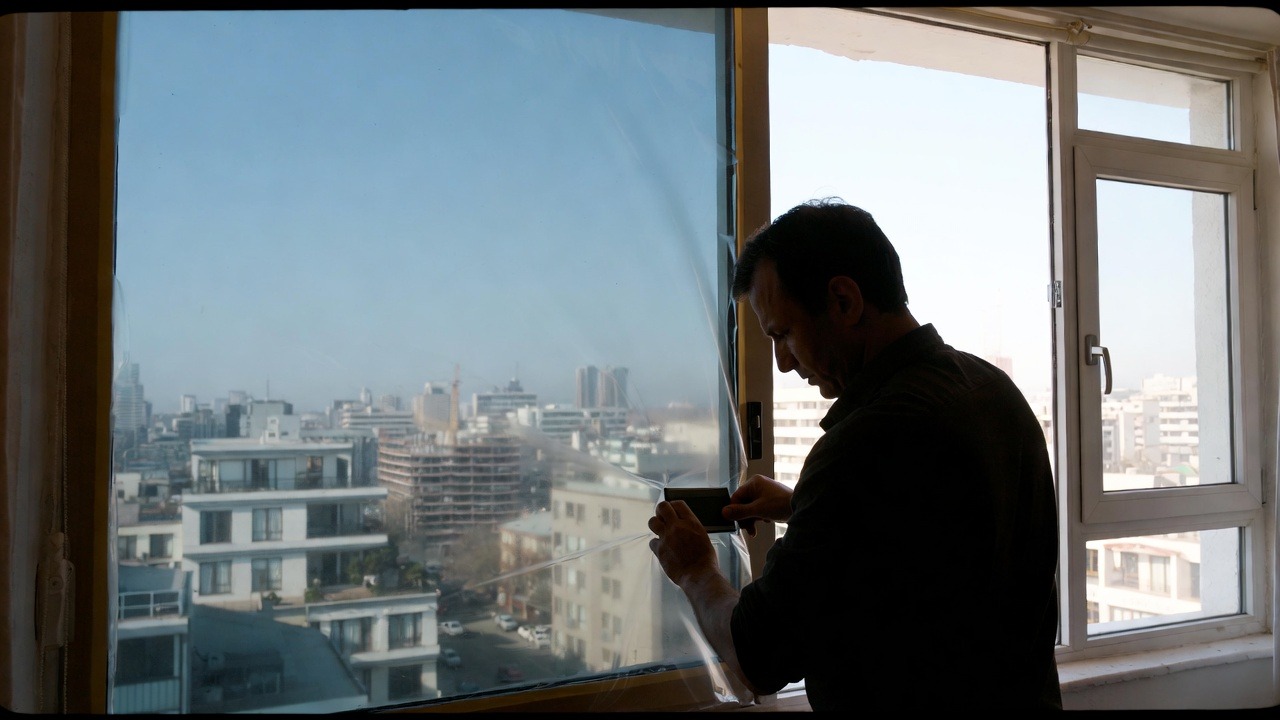
Window films are meant to help glass work better. They can cut glare, reduce heat, add privacy, and block UV rays. But when window films start to bubble, peel, haze, or lift at the corners, people in Toronto and the GTA usually want the same answer fast: what went wrong, and do I need to replace it?
This is one of the most common problems people ask about after a residential or commercial install. It shows up in downtown condo towers, North York homes, Vaughan offices, Mississauga storefronts, and older retail units in Scarborough. A film problem can start small. One tiny bubble. One loose corner. Then it spreads across the glass and makes the whole pane look rough.
The short answer is pretty simple. Small moisture marks can be normal right after installation. Big bubbles, cloudy patches, curling edges, or peeling corners usually mean the film is failing. That can happen because of poor prep, weak adhesive, old glass, high sun exposure, or the wrong product on the wrong window. If you want a broader explainer on the product itself, this guide on window film gives helpful background before you decide what to do next.
In this article, I’ll explain what bubbling and peeling really mean, why window films fail in Toronto weather, and what you can do to stop the problem from getting worse. I’ll also share a couple of local examples, because the way film behaves on a west-facing condo near Lake Ontario is not always the same as what happens on a shaded office in Markham. That part matters more then people think.
What Bubbling and Peeling Window Films Really Mean
Let’s keep it plain. Bubbling window films usually mean something is trapped between the film and the glass. That “something” can be water, air, dust, residue, or a section where the adhesive has stopped bonding. Peeling window films usually mean the adhesive is no longer holding tight to the glass. In simple words, the film is losing grip.
That does not always mean instant replacement. Right after installation, many window films go through a curing stage. During that time, a little moisture can stay under the film while it dries out. In Toronto summers, especially during humid weeks in July or August, that drying stage can take longer than people expect. A few small water marks can be normal for days or even a few weeks. Large bubbles that grow or stay raised are a diffrent story.
People often ask how to tell the difference between normal curing and real film failure. A good rule is this: if the marks slowly shrink, the film may still be settling. If the bubbles spread, turn white or cloudy, or start near the edges and move inward, there is a problem. If the corners lift and collect dirt, that is also a bad sign. Film that curls back at the edges rarely fixes itself.
The look of the defect can tell you a lot. Clean little dots after install often point to curing moisture. Milky patches can point to trapped contamination or adhesive breakdown. Long edge channels can point to poor squeegee work during install. A rough, wrinkled look can mean the film has aged badly under heat. So even though many people say, “it just looks ugly,” the appearance often tells the story of what failed.
There is also a performance issue. When window films bubble or peel, they do more than hurt the look of the glass. They can reduce glare control, lower UV blocking performance, weaken privacy, and make a room feel hotter again. A commercial unit with peeling film can also look poorly maintained from the sidewalk. That matters for retail spaces, clinics, and office fronts where first impressions count.
One condo owner in Liberty Village called after noticing a line of bubbles on a bedroom window that faced west. She thought her cleaner had caused the problem. The real issue was older bargain film that had started to fail after repeated afternoon sun. The adhesive had gone patchy, and the bubbles kept growing. The pane had to be stripped and redone. Another client near Square One in Mississauga had a small office with peeling corners on decorative privacy film. In that case, the problem was poor glass prep from the first install. Once dirt and residue were under the film, it was only a matter of time.
That is why it helps to act early. Small problems tend to get bigger. A single loose corner can collect dust, then moisture, then start lifting across the whole edge. By the time many people call, the damage is more visable and the removal is messier. Catching it sooner saves time, and it usually saves money too.
Why Window Films Fail in Toronto and GTA Conditions
The biggest cause of bubbling or peeling window films is still poor installation. This happens more often than many people think. The glass may not have been cleaned well enough. The installer may have left dust, adhesive, or tiny debris on the pane. The slip solution may have been mixed badly. The film may not have been pressed down evenly. Or the edges may have been cut and finished in a rushed way. On day one, the glass can still look fine. A few months later, the defects start showing up.
Toronto weather adds another layer of stress. Our winters are cold and dry. Our summers can be hot, humid, and bright, espically in condos with large south-facing windows. Spring and fall bring fast changes in temperature. Glass expands and contracts. Film expands and contracts too. If the product is low grade, or if the install was weak from the start, those shifts can push the film past its limit.
Sun exposure is a huge factor. A shaded office in Richmond Hill may age very differently than a Harbourfront condo that gets hard afternoon sun. West-facing windows often take a beating in summer. South-facing windows can stay hot for hours. That repeated heat puts stress on the adhesive layer. Over time, some films harden, shrink, or lose bond. When people say, “it was fine for two years, then got bad all at once,” strong sun is often part of the reason.
Cheap film is another common cause. Not all window films are built the same. Lower-grade products often use weaker adhesives and lower-quality materials. They may cost less at the start, but they can fail much sooner. That does not mean every affordable film is bad, but it does mean the lowest-price option can become expensive later when removal and reinstallation are needed. People trying to save money end up paying twice. It happens a lot, honestly.
Glass condition also matters. Older storefronts in Toronto and the GTA often have panes with scratches, old adhesive, hard water stains, or seal issues. If the surface under the film is not clean and stable, the film cannot bond the way it should. One small medical office in Vaughan had this exact problem. Their front windows looked clean, but there was old residue from an earlier film removal job. The new solar film started showing cloudy strips after only a few months. Once the panes were stripped, cleaned properly, and redone, the issue stopped.
Moisture inside the building can also speed up problems. Bathrooms, kitchens, pool rooms, and some older ground-floor commercial spaces hold more humidity. In those spaces, curing can take longer, and weak film edges may fail sooner. Winter condensation can make the problem worse on old frames or colder glass.
The wrong product on the wrong glass is another issue. Some windows are double-pane. Some have Low-E coatings. Some are tempered. Film needs to match the glass type and the amount of heat that pane can handle. A mismatch may shorten the life of the product and create stress around the adhesive. If you want a neutral source for general energy efficiency and glazing ideas, Natural Resources Canada has useful home energy information. For general sun and UV information that helps explain why fading and sun exposure matter indoors, Health Canada is also worth reading.
So when people ask why window films fail, the answer is usually not just one thing. It is often a mix of install quality, product quality, sun exposure, glass condition, and local building use. That is why one pane in the same room can fail sooner than another. The details change window by window.
How to Fix Peeling or Bubbling Window Films and Prevent the Same Problem Again
The first question is always repair or replace. Small moisture marks after a new install may go away on their own. Those are often part of curing. Small air pockets are less likely to disappear, but a trained installer may sometimes improve them if the problem is caught early. Large bubbles, peeling edges, milky patches, or film that looks brittle usually need replacement. Once the adhesive is failing, there is not much to “repair.”
DIY fixes often make things worse. People poke bubbles with a pin, press them with a card, heat them with a blow dryer, or spray cleaner under a lifting edge. That can crease the film, scratch the surface, or turn a simple removal into a sticky mess. If the film is already separating, the best fix is usually removal and a fresh install with the right product.
Here are the main signs you should stop waiting and get the glass checked:
- The bubbles are getting bigger, not smaller
- The corners or edges are curling back
- You see cloudy or milky patches that do not clear up
- The room feels hotter again even though the film is still on the glass
- The window looks uneven from the outside or under direct sun
For homes, the goal is often comfort, privacy, and a cleaner look. For commercial spaces, there is another issue: appearance from the street. A peeled front window on a salon, clinic, or retail unit can make the business look tired. It can also hurt privacy and glare control for staff and customers. That is why many owners in Toronto, Brampton, and Markham call once they notice the problem spreading across the main front panes.
The best way to prevent the problem next time is pretty straight forward:
- Choose window films that match the glass type and the room’s sun exposure
- Make sure the glass is cleaned and prepped properly before installation
- Do not use the same product on every window if the conditions are very different
- Work with installers who understand Toronto and GTA weather patterns
- Replace failed film before dirt and moisture make removal harder
A good local example is a storefront near Danforth Avenue that had one west-facing display window and one shaded side window. The old film on the display side failed much earlier because of stronger afternoon heat. The shaded side still looked decent. That is a reminder that film selection should fit each area, not just the whole building as one big group.
Another point many owners miss is maintenance. Harsh cleaners, rough scrubbing pads, and sharp tools can damage film over time. Film should be cleaned gently, with soft cloths and film-safe cleaning methods. Maintenance will not save a bad install, but it can help a good install last longer.
If your window films are already bubbling or peeling, the next step should be simple: get the worst panes inspected first. Start with the windows that get the most sun or show the most edge lift. A good inspection can tell you whether the issue is curing, contamination, adhesive failure, glass damage, or product mismatch. That plain answer is what most people wanted from the start anyway.
For Toronto and GTA homes, offices, and storefronts, window films work best when the product, the glass, and the install all match the job. When one of those parts is off, bubbling and peeling are often the first warning signs. Fixing it early is just smarter. It saves hassle, and it saves money later.
Leave a Reply