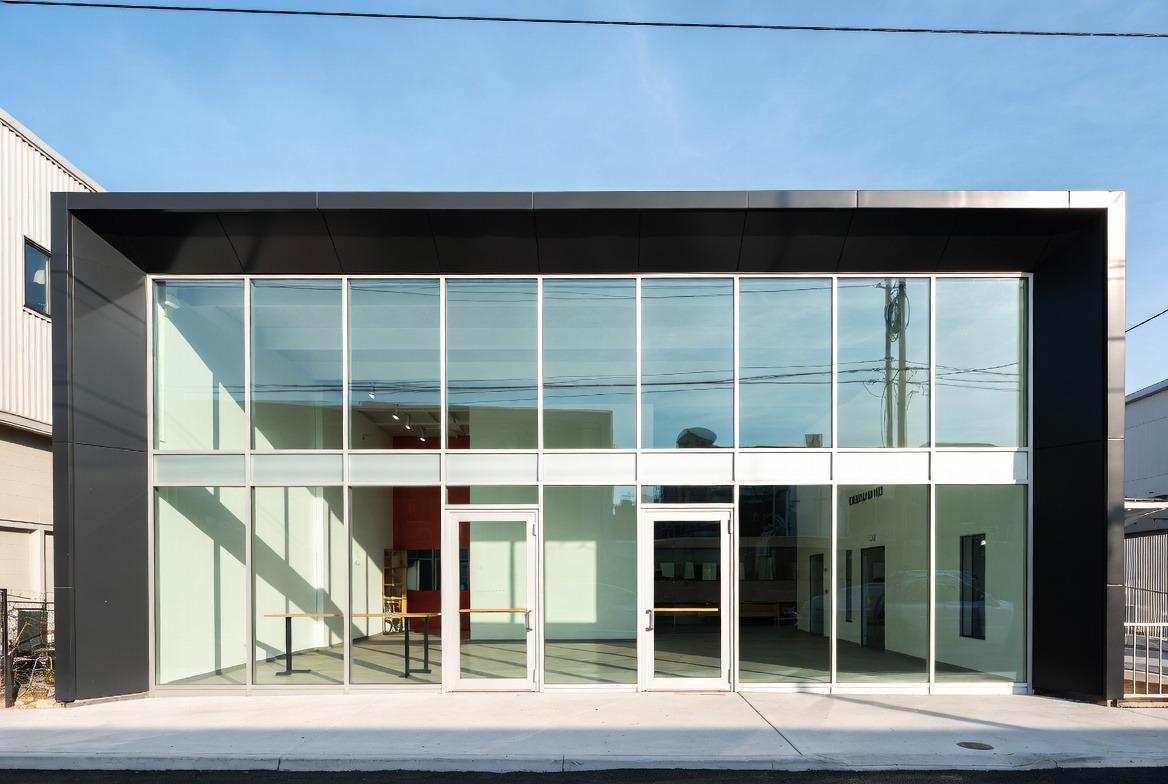
If you are shopping for window films in Toronto and the GTA, you are probably not just thinking about looks. You may need privacy for a boardroom, glare control for a west-facing office, logo graphics for a storefront, or safer door markings for a clinic or gym. That is why commercial window films need more than a quote and a sample card. They need a checklist that covers the glass, the use, the site, and the basic code questions before the install even starts.
That matters a lot in places like downtown Toronto, North York, Scarborough, Vaughan, Markham, Mississauga, Brampton, and Richmond Hill. One small commercial job can include a front entry, side glass, office partitions, waiting-room doors, and a feature wall all at once. If the plan is sloppy, the install gets messy fast. A cheap shortcut at the start can turn into a very annoying redo later.
This guide breaks the process into ten simple steps. It is written for business owners, property managers, and commercial film companies that want clean work, fewer call-backs, and better local SEO around window films without sounding stiff or fake.
1. Start with the glass, not the film roll
This is the part many people rush through. It is also the part that sets up the whole job.
Before you choose vinyl graphics, privacy frost, solar tint, or branded logo film, check the glass itself. Is it tempered, laminated, double-pane, or part of a storefront system? Is it a door, a sidelight, an office divider, or a full-height lobby panel? These details matter because different glass conditions can change what film is right, how it should be installed, and what risks show up later.
In Toronto and the GTA, one floor can have mixed glazing all over the place. A clinic in North York may have clear reception glass, door glass, and private treatment-room glass in one single unit. A retailer in Mississauga may have bright front windows, side entrance glass, and an interior office wall at the back. One film type does not fix every one of those spots. Thats where a lot of quotes go wrong.
Your checklist should include:
- Glass type
- Glass location
- Interior or exterior use
- Door, sidelight, partition, or storefront
- Sun and glare exposure
- Privacy goal
- Branding goal
- Risk of foot traffic near the glass
The better this first step is, the easier every other step gets.
2. Check whether the glass needs visible safety markings
Clear commercial glass can cause two different headaches. People can miss the door, and inspectors or contractors can question what is hidden under the film.
That is why you should ask early if the glass already has permanent markings that need to stay visible. This matters a lot on entry doors, sidelights, lobby glass, and medical-office glass. A nice frosted band or logo can help people see the door. But if it hides something that needs to be read or confirmed, you may create a new problem while fixing the old one.
Add these checks to the list:
- Is this safety glazing?
- Are there permanent markings on the glass?
- Will the film hide those markings?
- Do before photos need to be saved?
- Does the client want a visible band, logo, or privacy strip at eye level?
This is also where many teams confuse decorative work with safety work. They are not the same. If the project includes impact concerns, glass retention, or breakage control, review the commercial security film requirements before final approval.
3. Match the film type to the real problem
A lot of clients say they want “tint,” but that word can mean five different things.
Some want heat control. Some want privacy. Some want a frosted look. Some want logo graphics. Some want security support. If you skip the real purpose and just price a dark film, the result may look wrong or do the wrong job. That is not good for the client, and it is not good for your reviews either.
Break commercial window films into simple use groups:
- Solar and glare-control films
- Privacy films
- Decorative films
- Logo films and vinyl branding
- Safety films
- Security films
- Bird-friendly visual marker films
Plain language helps here. Instead of saying “high-performance solar control laminate,” tell the client it cuts glare and helps some rooms feel less hot in the late afternoon. That kind of wording helps both readers and search engines, and it also keeps the sales call less awkward.
4. Review Toronto exterior rules before pricing outside glass
Exterior window films in Toronto can raise extra questions, especially on lower glass near sidewalks, trees, courtyards, and landscaped podium areas. The City of Toronto includes bird-friendly glazing treatment in its Toronto Green Standard ecology guidance. That means some projects may need visible treatment instead of a plain dark reflective finish. :contentReference[oaicite:1]{index=1}
For local commercial work, that becomes a real-world pricing issue. A property manager in downtown Toronto may only ask for privacy or a cleaner exterior look. But the architect or consultant may later ask about bird-friendly treatment, pattern density, or glazing in lower-height areas. If your checklist does not flag that early, the quote can get tossed back for changes.
Your list should ask:
- Is this exterior glazing?
- Is the project inside Toronto proper?
- Is the glass close to pedestrian level?
- Is there an architect or consultant on the file?
- Does the finish need visible markers or patterning?
For official local guidance, review Toronto’s bird-friendly glazing and ecology guidance before exterior work gets approved.
5. Make privacy, branding, and door visibility work together
Some of the best commercial film jobs solve more than one problem at the same time.
A frosted band can add privacy and make a clear door easier to see. A logo film can help with branding and wayfinding. A soft gradient can hide visual clutter while still letting light move through the room. This is why commercial window films can be such a good fit for clinics, real-estate offices, salons, co-working spaces, and small retail units around the GTA.
But the details still matter. If the frost is too high, staff may feel exposed. If it is too low, the room can feel boxed in. If the logo is too small, it looks weak from the sidewalk. If it is too big, it can make the front glass feel cheap. These are not huge design mysteries. They are just practical install choices that need clear sign-off.
Use a checklist for:
- Eye-level marker height
- Privacy height
- Logo file approval
- Inside and outside viewing angles
- Day and night lighting conditions
6. Build a mock-up into the job, even when the client is in a hurry
Clients often say, “It’s fine, just do it.” That sounds nice until the full install goes up and they hate the look.
A mock-up saves a lot of grief. A small sample in the hand does not always match what a full glass wall will feel like once the job is done. This is extra true for frosted gradients, printed logo films, and darker privacy films.
Case study one: a Markham accounting office wanted full frost on two meeting rooms that faced the reception area. The mock-up showed the rooms would lose too much open feel, and the front desk would look closed off. The final install used a mid-height frost band with a clean logo at the centre. The staff liked it much better, and the client avoided paying for a full redo.
Case study two: a small restaurant in Etobicoke wanted branded door graphics plus privacy on the lower front panels. The first concept looked fine on screen. On glass, it felt too heavy and blocked the patio view from inside. A one-panel mock-up fixed the problem before production. That one little test probly saved the owner a week of complaints.
Add this to the checklist:
- Mock-up size
- Who approves it
- When approval was given
- Day and night photos
- Notes on glare, privacy, and branding visibility
7. Keep a clean job file from start to finish
Commercial work loves paperwork, even when everyone pretends they hate paperwork.
A job file does not need to be fancy. It just needs to be clear. If a landlord, contractor, or site manager asks what was installed, what the glass looked like before install, or what the approved layout was, you need something better than memory. Memory is terrible on busy weeks.
Keep:
- Product data sheets
- Site photos before install
- Mock-up photos
- Approval emails
- Layout drawings or marked-up proofs
- Install notes
- Final photos
- Care instructions
This also helps on multi-location branding work. If a business installs the same window films in Vaughan, Brampton, and Scarborough, your second and third locations go a lot smoother.
8. Plan for Toronto weather and live commercial spaces
Toronto jobs change with the season. West-facing glass can roast an office in July. Winter sun bouncing off bright snow can still create annoying glare. Rain can change how logo film reads from the street. This sounds small, but clients notice these things right away.
Also, most commercial installs happen in live spaces. Staff are working. Patients are waiting. Customers are using the front door. The elevator is booked for a short time. A good checklist should cover site behaviour, not just film specs.
Add:
- Work hours
- After-hours access
- Elevator booking
- Water and dust control
- Floor and furniture protection
- Temporary signage during install
- Main site contact
That boring stuff is what makes a job feel smooth and proffesional.
9. Know when code questions need outside approval
Not every site question should be answered with a guess.
If the job involves door glass, tenant-improvement work, or anything the building department may care about, get the right people involved early. That may be the architect, general contractor, landlord, property manager, or municipal department. Ontario’s public Building Code page is the province’s main starting point for code information and points readers back to local enforcement through municipalities. :contentReference[oaicite:2]{index=2}
That does not mean you need to turn every film job into a legal seminar. It just means you should know when to pause and ask instead of pushing ahead because the schedule is tight.
For official provincial guidance, start with Ontario’s Building Code page.
10. Get final sign-off before film touches the glass
This step is not exciting, but it saves money.
Before install day, confirm who has final approval. It may be the property manager. It may be the general contractor. It may be the architect, landlord, franchise brand team, or business owner. If that part is fuzzy, the job is not ready.
Your final pre-install review should confirm:
- Approved film type
- Approved layout
- Approved logo file
- Approved privacy height
- Approved schedule
- Approved site access plan
If you want commercial window films to go smoothly in Toronto and the GTA, this is the simplest rule of all: get the yes before the squeegee comes out.
Why this matters for local businesses
Commercial film work in Toronto and the GTA is rarely just about making glass look nicer. It is about privacy, comfort, visibility, branding, and avoiding dumb mistakes that cost money later. A strong checklist makes your install cleaner, your quote smarter, and your client a lot calmer.
For owners comparing options, the best starting point is not the darkest sample or the cheapest square-foot price. It is a clear plan for the glass, the purpose, and the approvals. That is how good window films stop being a guess and start being a smart building upgrade.
Quick Answers About Commercial Window Films
What should a commercial window films checklist include?
A commercial window films checklist should include glass type, glass location, film purpose, safety marking review, approvals, and final sign-off. It should also include mock-up review, site photos, and care notes.
Can window films help make glass doors easier to see?
Yes. Frosted bands, logo films, and other visible treatments can help people see clear glass doors more easily while also adding privacy or branding.
Do window films replace building code rules for commercial glass?
No. Window films do not replace code rules. You still need to review the glass, markings, approvals, and any local requirements before installation.
When should a Toronto business check bird-friendly glazing rules?
A Toronto business should check bird-friendly glazing rules before exterior film work starts. This matters most on lower-height exterior glazing and some newer project sites.
Who should approve a commercial window films install before work starts?
The final approval may come from the property manager, landlord, general contractor, architect, or municipal department. The right approver depends on the building and the scope of work.
Leave a Reply