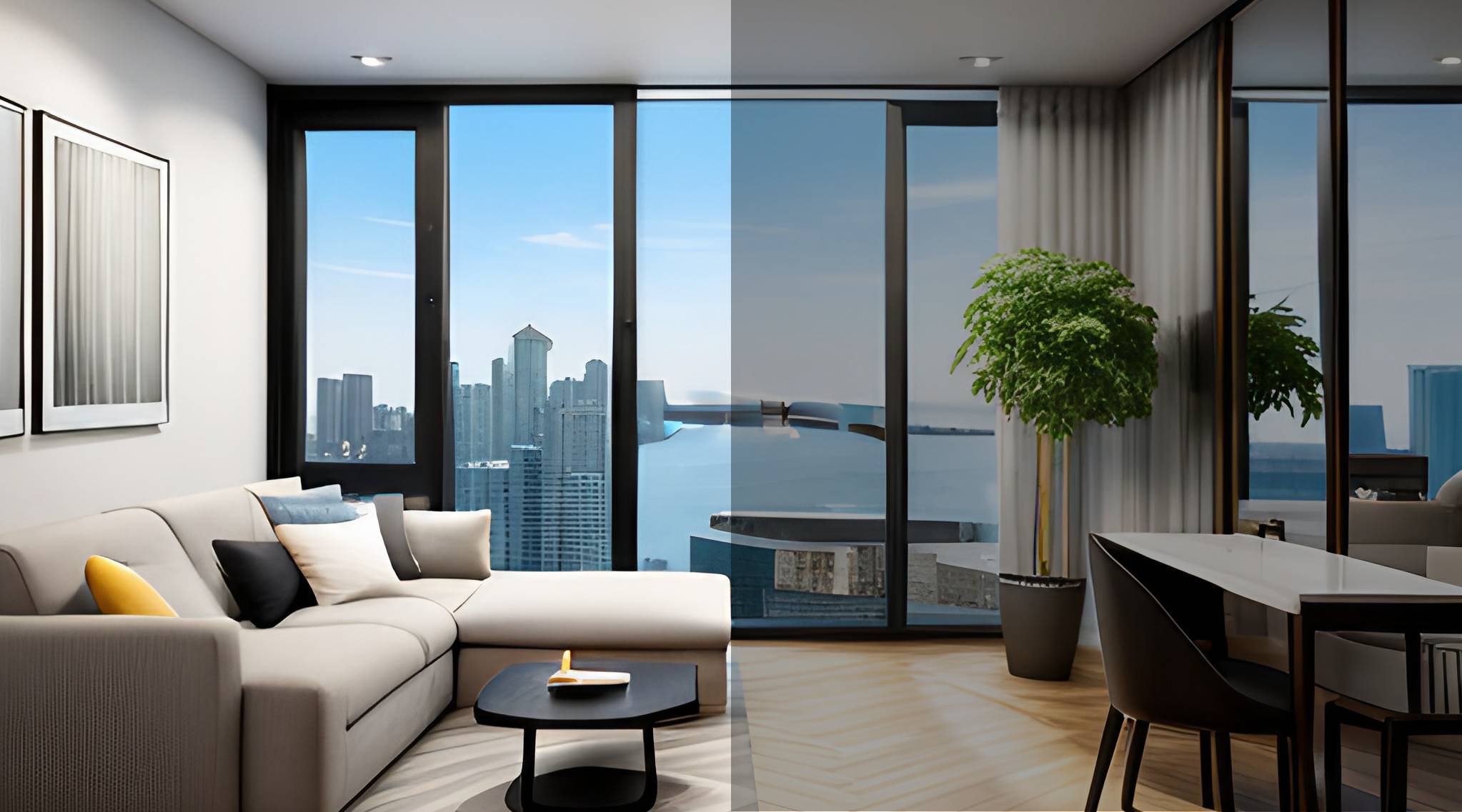
Window films are one of the smartest upgrades for homes and businesses in North York, Toronto, and the GTA. People search for window films when rooms get too hot, offices have harsh glare, storefronts feel too exposed, or furniture starts fading in the sun. If that sounds familiar, you are not alone. In this part of Toronto, glass is everywhere, and untreated glass can make a nice space feel hard to use.
That is why more people keep asking about window films and professional window tinting service. They want a fix that is faster and less messy than replacing the whole window. They also want something that works with real local problems, like west-facing condos near Yonge and Sheppard, bright offices around North York Centre, and retail windows near Yorkdale that get hit with strong afternoon sun.
In simple terms, window films are thin layers added to glass to improve heat control, glare reduction, privacy, UV protection, safety, or style. Some films are almost clear. Some are frosted. Some are reflective. Some are thicker for safety use. The best one depends on what the glass is doing wrong right now.
That matters more in Toronto than many people think. Summer heat can be rough, and the City’s hot weather guidance shows just how serious heat events can get here. Add large windows, tall condo towers, and bright open offices, and you get the same complaints over and over again: “This room is too bright,” “The front area is way too hot,” or “I need privacy but I do not want to block all the light.”
This guide explains what window films are, how they help North York properties, what types people usually choose, and how to pick the right installer without wasting money. If you are trying to choose the right window film for your space, this will give you plain answers and useful local context.
Why Window Films Matter So Much in North York and the GTA
North York has a bit of everything. High-rise condos, older family homes, medical clinics, office towers, schools, restaurants, and busy street-level shops. A lot of these spaces use large windows. Large windows can look great, but they can also bring heat, glare, fading, and privacy issues. That is why window films keep coming up in local searches.
Take a condo near Finch or Sheppard. The daylight can be beautiful in the morning, then by late afternoon the room is hot and the TV is hard to watch. In an office near Yonge Street, the boardroom might look sharp, but one side of the table gets blasted with glare every sunny day. In a storefront near Don Mills, the front display may fade faster than expected becuase of steady UV exposure. These are normal local problems, not rare ones.
Window films help by changing how the glass behaves. Instead of letting too much heat and harsh light pour in, the film can cut glare, reduce solar heat gain, and add privacy or UV protection. That sounds technical, but the everyday result is simple. Rooms feel easier to sit in. Screens are easier to see. Glass feels less exposed. The space works better.
Local weather makes this more obvious. Toronto gets hot spells in summer, bright snowy glare in winter, and long sunny afternoons in spring and fall. That means the same piece of glass can annoy you in diff ways over the year. A room that feels fine in March can feel awful in July. Good window films help smooth out those swings a bit.
There is also the privacy side. In dense neighbourhoods like Willowdale, Bayview Village, and parts of Scarborough and Vaughan, homes and condos can sit close together. Businesses also deal with sidewalk-facing glass and nearby buildings. People want daylight, but they do not always want a full clear view in both directions. That is where privacy and frosted window films become a very practical fix.
One local example is a small accounting office in North York that had two problems at once. The front glass let in too much glare after lunch, and the interior meeting room had no privacy. The owner did not want heavy blinds everywhere becuase they made the office feel shut in. A mix of solar film on the front windows and frosted film on the meeting room glass gave them better comfort and privacy without making the whole office dark. That kind of combo is common. One film does not solve every problem, so the match matters.
The Main Types of Window Films and What Each One Actually Does
Many people hear the word “tint” and think every film is the same. It is not. Window films come in several types, and each one is built for a diff goal. Picking the wrong one can leave you with glass that still feels wrong, even if the install looks clean.
Solar window films are made to reduce heat and glare. These are common in sunny living rooms, office windows, condo towers, and retail spaces with strong afternoon exposure. They help keep the room brighter than blinds would, but they cut the harsh edge that makes a space uncomfortable.
Privacy window films are used when people want to limit views through the glass. These are popular for street-facing homes, condo units, clinics, front doors, and office partitions. Some privacy films are reflective, which can work well in the daytime. Others are frosted, which gives stronger privacy all day but blocks the clear view through the glass.
Security window films are thicker and built to help hold broken glass together after impact. They are often used on entry doors, sidelights, ground-floor glass, and places where owners want more glass retention. They do not make glass impossible to break, but they can slow easy entry and reduce flying shards.
Decorative window films change the look of the glass. These are used in offices, salons, studios, and retail settings where people want a cleaner design, a frosted band, a pattern, or a branded look. They are also useful when you need some privacy but still want the space to feel open.
UV-blocking window films help reduce fading on floors, rugs, furniture, artwork, and merchandise. Health Canada’s sun safety information is a good reminder that UV exposure adds up over time. On windows, that same exposure can slowly damage interior surfaces too.
The tricky part is that people often ask for “the darkest film” when darkness is not really the goal. Sometimes a lighter solar film does a better job for comfort. Sometimes frosted film is better than reflective film becuase the room needs privacy at night too. Sometimes a business needs both style and function, so decorative and solar films are used in diff parts of the same space.
A common home example is a front entry with narrow glass sidelights. The owner may want more privacy from the street without making the foyer dark and gloomy. Frosted window films are often a better fit there than going with a dark reflective film. The lesson is simple. The best film is the one that matches the problem, not the one that just sounds strongest in a sales pitch.
How Window Films Help Homes, Offices, and Storefronts in Real Life
The biggest reason people buy window films is not style. It is relief. They want the room to stop bothering them every day.
In homes, the main complaints are usually heat, glare, fading, and privacy. A bright family room in York Mills may be lovely in listing photos but hard to use after 3 p.m. A home office in North York might get so much glare that the desk has to be moved. In those cases, window films can make the room more usable without covering the windows with thick drapes.
In condos, privacy comes up a lot. People like the daylight and view, but once the lights come on inside, the room can feel too open. Some films help in the daytime, while others like frosted film help all the time. The answer depends on what kind of privacy the person actually wants. This is where honest advice matters. A good installer should explain that some reflective films work best when it is brighter outside than inside. That detail gets missed alot.
In offices and clinics, comfort and function usually come first. Too much glare on screens can drag down a whole workday. Reception areas can feel too exposed. Meeting rooms with full glass walls may look modern, but they are not very useful if every conversation feels visible. Window films can fix these issues in a clean way, especially in busy parts of Toronto where businesses want the space to look polished without starting a full reno.
In storefronts and restaurants, the goal is often a mix of comfort, product protection, and curb appeal. A front window that overheats the seating area or fades packaged goods is not helping the business. A subtle solar film can improve comfort while keeping the glass looking professional. Decorative film can add branding or privacy to service areas without using clunky signs or cheap paper coverings.
One simple case involved a family-run shop near Yorkdale. The front display window looked great from the street, but the afternoon sun made the front area too hot and the staff kept pulling makeshift blinds down. That hurt the look of the store. After adding solar window films, the front area stayed easier to work in, and they could leave the glass open again. It was not flashy. It just solved a daily headache.
That is the real value of window films. They fix small daily frictions that add up. Less squinting. Less heat by the glass. Less fading. Less feeling exposed. A room that works better is worth a lot, even if the change itself looks simple.
How to Choose the Right Window Tinting Service Without Regret Later
Choosing the film matters, but the install matters just as much. Even good window films can look bad if the prep is rushed, the cuts are messy, or the wrong product goes on the wrong type of glass.
Start by asking plain questions. What problem is this film solving? Is it for heat, glare, privacy, safety, UV, or design? What kind of glass do you have now? Which direction does the window face? What time of day is the problem the worst? These questions help narrow the right product fast.
A real window tinting service should also explain how the film will look from inside and outside, what curing time to expect, and what the warranty covers. Small water marks or haze can be normal right after install, but the installer should tell you that before leaving. If they do not explain the basics, that is not a great sign.
Here is a simple shortlist of what to check:
- Do they explain the difference between the main types of window films?
- Do they ask about your glass, sunlight, and privacy needs?
- Do they show real samples or photos, not just tiny swatches?
- Do they talk clearly about edge finish and cleanliness?
- Do they give a clear labour and product warranty?
Local experience matters too. An installer who works often in North York, Toronto, Markham, Richmond Hill, Vaughan, and Mississauga will usually understand common building patterns better. Condo rules, street-facing privacy issues, older residential glass, and bright west-facing offices all come up again and again in the GTA. That kind of experience helps avoid bad product matches.
The best outcome is not just “the film looks fine.” The best outcome is that the room feels better weeks and months later. That is what people are really paying for. If your home, office, clinic, or storefront feels too bright, too hot, too exposed, or just awkward to use, window films are often the cleanest fix. When the product is chosen well and installed properly, the change can feel small at first, then very hard to live without after.
Leave a Reply