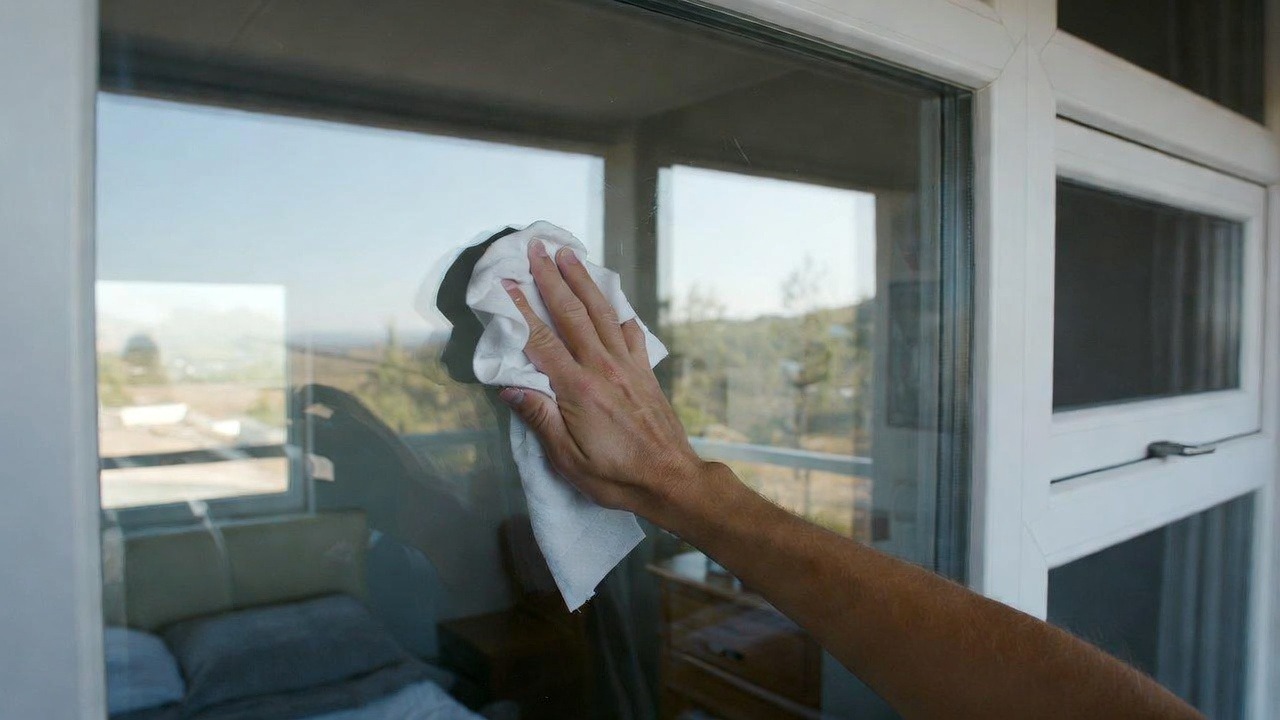
Window films need proper care if you want them to stay clear, smooth, and useful in Toronto and the GTA. Good window films can cut glare, help with privacy, reduce heat, and make rooms feel better through hot summers and cold winters. But if you clean window films the wrong way, they can scratch, haze up, or start to peel early.
That happens a lot more than people think. In Toronto, street dust sticks to storefront glass. In Mississauga and Vaughan, winter salt and road grime end up on lower windows near parking lots. In condo towers downtown, strong afternoon sun shows every streak. Then someone uses paper towel, a harsh spray, or way too much pressure. The glass looks worse after cleaning. Thats the problem this guide fixes.
This article shows a simple routine for window films that works for homes, condos, offices, retail stores, clinics, and restaurants across North York, Scarborough, Etobicoke, Markham, Richmond Hill, Brampton, Mississauga, and Vaughan. The steps are easy. The tools are basic. The goal is simple too: keep your glass looking clean and keep your window films doing their job for longer.
Step 1: Wait for New Window Films to Cure
Fresh window films need time before the first cleaning. The film may look dry, but the adhesive under it is still settling. This curing time matters because early cleaning can leave marks, lift edges, or trap more mess near the border of the film.
A lot of people see a little haze or a few water pockets and think the film is dirty. In many cases, it is just the normal curing stage. That is very common after installation, espeically in colder months in Toronto and the GTA.
In winter, glass stays cooler for longer. That slows curing. In summer, sun can speed some of it up, but large windows can still need time. So the safe move is pretty boring, but it works: wait for the installer’s cleaning window and do not touch the film too early.
Things you may notice while the film cures:
- light haze
- tiny water bubbles
- soft distortion in a few areas
- a damp look near the edge
Do not scrub those spots. Do not press them flat. Let them settle first.
We saw this in a condo near Liberty Village where the owner cleaned brand new film after only two days. They used a strong glass spray and a rough cloth. The result was not a full failure, but the finish picked up fine drag marks that showed every sunny afternoon. That kind of damage is annoyng because it is small, but you keep seeing it again and again.
If your window films were installed on big south-facing glass, patience helps even more. Big panes show every streak, and early cleaning is one of the fastest ways to make nice film look tired before its time.
Step 2: Use a Cleaner Made for Window Films, Not Just Glass
This is where many people go wrong. They treat window films like bare glass. They are not the same thing.
Regular glass cleaners can be too strong for film. Some contain ammonia or other chemicals that can dry the surface, affect the finish, or wear the edges over time. That is why good window film maintenance usually starts with a very simple cleaner.
A mild mix works well for most jobs:
- clean water
- a few drops of dish soap
- a clean spray bottle
That is often enough for homes and businesses. It is cheap, easy to mix, and much safer than random harsh sprays from under the sink.
The International Window Film Association also recommends soft tools and non-abrasive cleaning methods for film care. That matches what works on local installs in Toronto and the GTA.
Avoid these if you can:
- ammonia-based glass cleaners
- abrasive pads
- gritty sponges
- rough paper towels
- strong degreasers unless the film maker says they are safe
A dental office in North York had this exact problem. Staff were cleaning the front glass every day with the same cleaner they used on mirrors and counters. After a few months, the film looked dull near eye level. They switched to a mild soap mix and clean microfibre cloths. The finish stayed nicer, and cleaning got easier too.
Simple products usually work best on window films. Stronger is not better here. Stronger is often what creates the issue in the first place.
Step 3: Clean With Soft Tools and Gentle Pressure
The right cleaner helps, but the wrong cloth can still cause damage.
A lot of scratches on window films come from tools, not dirt. Paper towels feel soft in your hand, but they can leave fine scratches over time. Old rags can hold grit. Cheap scrub pads are even worse. The film may look fine at first, then the afternoon sun hits and every mark shows up.
Better choices are:
- clean microfibre cloths
- lint-free cloths
- a soft rubber squeegee
- a clean synthetic sponge
Spray lightly. Wipe gently. Dry with a second clean cloth or a soft squeegee. That is enough for most dust, hand prints, and light grime.
Do not scrub hard. If a mark stays on the film, wet it again and give it a short moment before wiping. More pressure is usually not the answer.
This matters a lot on commercial glass. A retail shop in Scarborough was scrubbing front-door film at the end of each day because finger prints built up fast. The staff meant well, but the cloths were rough and the pressure was heavy. We suggested a softer cloth and two quick light cleanings during the day instead of one hard scrub at night. The film held up much better after that.
For home owners, one small tip helps a lot: keep one cloth only for window films. Do not use the same cloth you used on the sill, track, or frame. Dust and grit from those spots can scratch the film on the next wipe. It sounds tiny, but its one of the most common mistakes we see.
Step 4: Follow a Cleaning Schedule That Fits Toronto Weather
Clean window films before they get really dirty. That is easier on the film and easier on you.
Toronto weather is rough on glass. Spring brings pollen. Summer brings dust and hard sun. Fall adds more grime from rain and traffic. Winter throws salt residue and slush spray at storefronts and lower windows. If dirt sits too long, people scrub harder to remove it later. That is when surface wear starts.
A simple schedule works better than random cleaning:
- homes: every two to four weeks
- storefront doors: once or twice a week
- offices and clinics: based on traffic and hand prints
- lower street-facing glass: check more often after storms and salt season
This matters for all kinds of window films, including privacy film, decorative film, solar film, and security film. Clean film not only looks better, it also helps the glass keep a neat, cared-for look from inside and outside.
There is also a health side to sun control. Health Canada explains that ultraviolet radiation can harm skin and eyes. Many people choose UV-control window films for that reason, along with glare control and comfort. A clean film surface helps those windows stay attractive while the film keeps doing its everyday work.
A small café in Leslieville gave us a good example. Their front windows picked up road dust and finger prints fast. Staff waited until the glass looked bad, then cleaned it hard once a week. We changed the routine to short, gentle wipe-downs three times a week. The film looked better, and the staff spent less time fighting stuck-on grime. It wasnt fancy. It just worked better.
Step 5: Check Edges, Corners, and Surface Changes Early
Cleaning time is also the best time to inspect window films.
When you wipe the glass, look at the corners, edges, and lower sections. These are the places where problems often start first. If you catch them early, you may save the film or at least avoid a bigger mess later.
Watch for:
- edge lift
- small bubbles
- peeling corners
- cloudy patches
- fading or purple colour
- scratches that keep getting worse
Small edge problems can spread fast once dust and moisture get in. A tiny corner lift today can become a long peeling strip a few months later. That is why regular checks matter.
Do not pull the film. Do not trim it with a blade. Do not add glue from a hardware store and hope for the best. Those quick fixes usually make repair harder.
Instead:
- take a clear photo
- note which room or side of the building it is on
- check if the area gets strong afternoon sun
- ask a film pro if it looks repairable
This is a big deal on older condos and commercial units where no one knows exactly when the window films were installed. Condition matters more than guessing the age. If the film still looks clear and the edges are stable, that is a good sign. If not, it may be time for repair advice or replacement.
Why Window Films Need Different Care in Toronto and the GTA
Window films in Toronto live through a lot. They deal with freeze-thaw swings, summer glare, traffic dirt, winter salt, lake weather, and heavy handling on busy glass doors. That is why care here needs to be practical, not fancy.
A steady care routine helps with:
- clearer glass
- fewer scratches
- better curb appeal
- longer film life
- less surprise repair work
It also protects the value of the install. For condo owners in Downtown Toronto, that can mean cleaner west-facing windows in summer. For home owners in Richmond Hill, it can mean better-looking sunroom glass after pollen season. For business owners in Mississauga or Brampton, it can mean entrance glass that still looks sharp after a busy winter.
At Tintly Window Films, local service calls keep showing the same thing: when people use gentle products, soft tools, and a simple schedule, window films usually last better and stay looking cleaner.
Need Help With Window Films in Toronto and the GTA?
If your window films look cloudy, scratched, streaky, or loose at the edge, deal with it early. Some issues need only better cleaning habits. Some mean the film is aging out. A quick review can save money and stop small damage from spreading.
Tintly Window Films works across Toronto and the GTA on residential and commercial glass, including privacy, decorative, solar, and security film projects. If you want straight advice on cleaning, repair, or replacement, reach out.
Tintly Window Films
Phone: 647-847-6365
Email: info@tintly.ca
Frequently Asked Questions
How long should you wait before cleaning new window films?
You should wait until the film finishes curing before cleaning it. Many window films need several days, and cold Toronto weather can make that wait longer.
What cleaner is safe for window films?
A mild soap-and-water mix is safe for most window films. Avoid ammonia-based cleaners and abrasive products because they can damage the film surface.
Can vinegar damage window films?
A mild cleaner is usually the safer choice for window films. If you are unsure about vinegar or any cleaner, ask the installer or use a film-safe product.
How often should window films be cleaned?
Most homes can clean window films every two to four weeks. Busy storefronts and offices may need more frequent cleaning because of hand prints, dust, and traffic grime.
What causes window films to peel at the edges?
Edge peeling can happen from age, harsh cleaning, trapped moisture, or poor handling. A professional can check if the film needs repair or replacement.
Leave a Reply